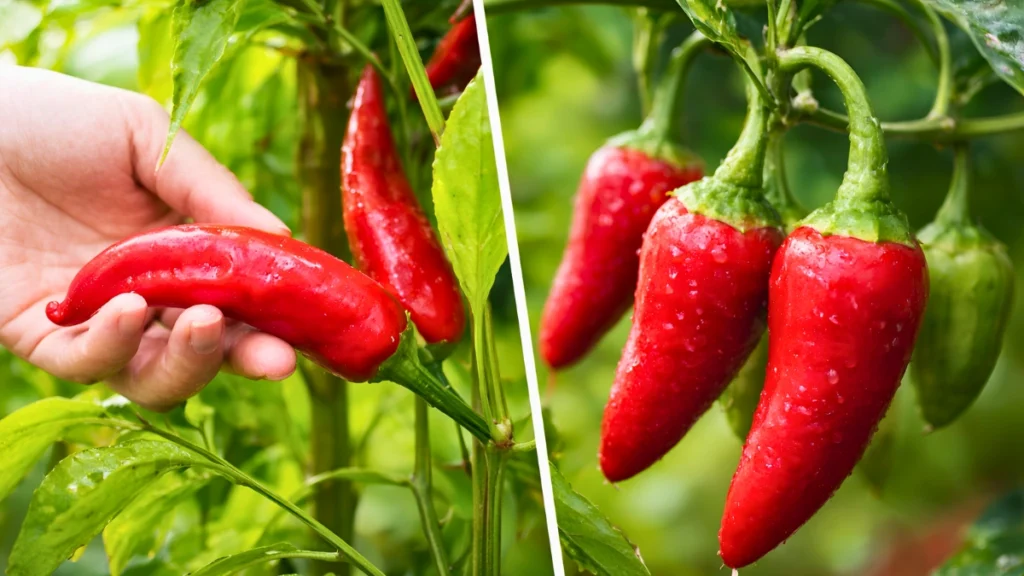
Bell Pepper Boost 2026: Bell pepper plants have the potential to produce an impressive harvest, yet many home gardeners settle for average yields without realizing how much more their plants can deliver. The difference between a modest crop and baskets full of thick, glossy peppers often comes down to one powerful technique: strategic pruning. When done correctly, pruning improves plant strength, boosts flowering, and supports heavier fruiting throughout the season.
In 2026, more growers are focusing on smarter gardening rather than simply adding more fertilizer. Pruning is not about cutting randomly or stressing the plant. It is about shaping growth so that sunlight, nutrients, and plant energy are directed where they matter most. With the right approach, your bell pepper plants can produce stronger stems, healthier leaves, and significantly more fruit.
Shape The Plant For Power
A bell pepper plant naturally grows into a dense bush. While this may look healthy, excessive foliage can limit light penetration and airflow. The key is to shape the plant early so it forms a balanced, open structure. When your plant reaches around eight to ten inches tall, encourage branching by trimming the central tip carefully.
This technique redirects growth hormones to side shoots, creating multiple strong stems instead of one weak vertical leader. A well-shaped plant builds a sturdy framework capable of supporting heavy fruit later in the season. Strong structure at the beginning means fewer broken branches when peppers mature.
Encourage Strong Early Branching
Early branching is critical for high fruit production. After the initial shaping cut, allow two to four strong side shoots to develop. Remove weak, thin shoots that compete for energy. This selective approach ensures that only the healthiest stems grow into productive fruit-bearing branches.
More branches create more flowering points. However, balance is important. Too many stems can crowd the plant. Focus on developing a compact but open canopy that allows sunlight to reach interior leaves. Light exposure directly influences flower development and fruit size.
Remove Lower Energy Drainers
The lowest leaves and shoots on bell pepper plants often consume nutrients without contributing to fruit production. As the plant matures, remove small shoots that grow near the soil line. These lower growths rarely produce quality fruit and may attract pests or encourage fungal issues due to poor airflow.
Clearing the bottom few inches of the plant also improves air circulation around the base. Better airflow reduces the risk of soil-borne diseases and strengthens overall plant health. A clean base makes watering and mulching easier while keeping the plant focused on upward fruiting growth.
Boost Airflow For Bigger Harvest
Airflow is one of the most overlooked elements in heavy fruit production. Thick foliage traps humidity, which can slow pollination and increase disease pressure. By thinning crowded inner leaves, you allow wind and light to move freely through the plant.
Improved airflow leads to stronger stems and more consistent flowering. It also encourages better pollination, which directly impacts fruit size and shape. Peppers grown on well-pruned plants often develop more uniformly and with thicker walls, making them ideal for cooking and storage.
Control Excess Leaf Growth
Leaf growth is essential, but too much foliage can compete with fruit for nutrients. During peak growing season, inspect your plant weekly. If you notice dense clusters of leaves blocking sunlight from flowers, trim a few strategically.
Never remove more than one-third of the foliage at a time. Gradual pruning prevents shock and maintains healthy photosynthesis. The goal is balance. You want enough leaves to feed the plant but not so many that flowers and developing peppers are shaded.
Support Heavy Fruiting Stems
As flowers begin to appear, focus on strengthening the branches that carry blooms. Remove small side shoots that grow between main stems if they are weak or overcrowded. This helps concentrate energy into flower clusters that have the highest potential for fruiting.
Consider gentle staking or support ties once fruits begin forming. A well-pruned plant produces heavier peppers, and added support prevents branches from snapping under weight. Healthy, supported stems can continue producing multiple flushes of fruit throughout the season.
Time Your Midseason Trim
Midseason pruning can dramatically increase late harvest yields. Once your plant has set its first round of peppers, remove a few older leaves to encourage fresh flowering. This refreshes the plant and redirects nutrients to new blossoms.
Avoid aggressive cuts during extreme heat. Instead, prune lightly in the early morning when the plant is well-hydrated. Midseason trimming keeps plants productive longer and prevents energy loss in aging leaves that no longer contribute effectively to growth.
Prevent Disease With Smart Cuts
Pruning is also a preventive health strategy. Always use clean, sharp scissors or pruning shears. Sanitize tools before moving between plants to avoid spreading pathogens. Remove yellowing, spotted, or damaged leaves immediately.
Healthy leaves are deep green and firm. Any leaf showing signs of stress should be evaluated. Early removal of unhealthy growth prevents infections from spreading and protects fruit quality. Consistent monitoring ensures your plant remains vigorous through the entire growing cycle.
Maximize Nutrient Efficiency
A pruned plant uses nutrients more efficiently. When excess leaves and weak shoots are removed, fertilizers and soil nutrients are directed toward fruit development. This leads to thicker pepper walls, brighter color, and improved flavor.
Combine pruning with balanced feeding. Use compost-rich soil and ensure consistent watering. Nutrient efficiency improves significantly when plant structure is optimized. Instead of feeding unnecessary foliage, the plant invests resources in fruit production.
Extend The Harvest Window
One of the biggest benefits of proper pruning is a longer harvest period. By encouraging continuous branching and new flowering sites, you keep the plant active beyond its initial fruiting stage. Regular light trimming stimulates fresh growth cycles.
Gardeners who prune correctly often notice that their bell pepper plants continue producing until the season’s end. Instead of one heavy flush followed by decline, you enjoy steady harvesting. This method maximizes yield from a single plant without increasing garden space.
Final Verdict For Bigger Peppers
Bell pepper success in 2026 is not about complicated techniques or expensive solutions. It is about understanding plant energy and guiding it wisely. Strategic pruning strengthens structure, improves airflow, enhances flowering, and supports heavier fruiting.
By shaping plants early, removing weak growth, maintaining airflow, and trimming thoughtfully throughout the season, you can dramatically increase your harvest. Healthy structure leads to healthy fruit. With patience and consistent care, your bell pepper plants can deliver abundant, vibrant peppers that make every harvest feel rewarding and productive.
