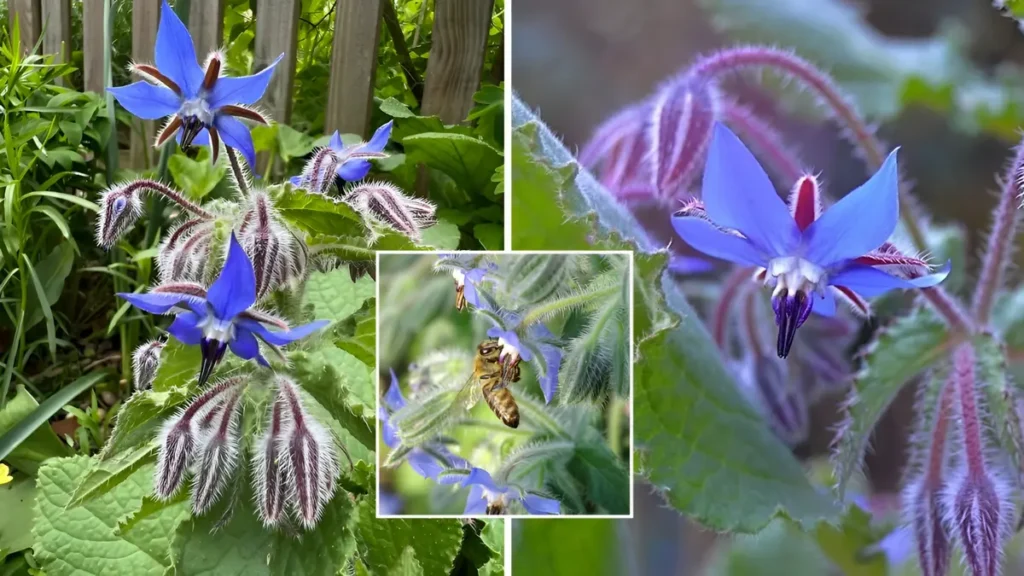
Borage Herb Seeds 2026: Healthy gardens are no longer just about pretty flowers. In 2026, gardeners are choosing plants that actively improve soil health, attract pollinators, and support natural ecosystems. Borage is quickly becoming a standout herb in this movement. With its vivid blue star-shaped blooms and fast-growing nature, borage delivers beauty, biodiversity, and soil enrichment all at once. Planting borage herb seeds is one of the simplest ways to build a vibrant, sustainable garden that thrives season after season.
Borage Is The Pollinator Magnet Your Garden Needs
Borage is famous for drawing bees in large numbers. Its nectar-rich flowers continuously produce food throughout the blooming season, making it a reliable resource for pollinators. Honeybees, native bees, and butterflies flock to its bright blossoms. Unlike many ornamental flowers that bloom briefly, borage keeps producing flowers for weeks. Planting clusters instead of single stems increases visibility for pollinators and turns your garden into a buzzing hub of activity that supports biodiversity naturally.
Strong Roots Build Living Soil
Borage does more than look attractive. Beneath the surface, its deep taproot works like a natural soil miner. It pulls nutrients such as potassium, calcium, and trace minerals from deeper layers and redistributes them closer to the surface. As leaves fall and decompose, these nutrients enrich topsoil. Gardeners focused on regenerative gardening value borage for this reason. Over time, repeated planting improves soil structure, microbial activity, and overall fertility without relying on synthetic fertilizers.
Perfect Sowing Window Matters
Timing is critical for successful germination. Borage seeds should be sown directly into garden soil after the final frost date when temperatures consistently stay above cool early spring levels. Seeds germinate quickly in slightly warm soil and usually sprout within one to two weeks. Direct sowing is recommended because borage does not respond well to transplanting due to its long central root. Consistent soil moisture during germination ensures strong, healthy seedlings.
Sunlight Unlocks Maximum Bloom
Full sun is essential for abundant flowers. Borage performs best when it receives at least six to eight hours of direct sunlight daily. Sun exposure encourages thick stems and vibrant blue blooms. While the plant can tolerate partial shade, flower production may decrease. In cooler climates, full sun also helps maintain healthy leaf growth. Choosing a bright, open location gives borage the energy it needs to support both pollinators and soil-building processes.
Water Wisely For Strong Plants
Borage prefers moderate watering. During early growth, soil should remain lightly moist but never soggy. Once established, the plant becomes surprisingly resilient and tolerates short dry spells. Overwatering can cause root problems, especially in compact soil. A deep watering once or twice weekly during hot periods is usually sufficient. Mulching around the base helps conserve moisture and reduce temperature fluctuations, allowing roots to develop deeply and steadily.
Companion Planting Boosts Harvests
One of borage’s most powerful benefits lies in companion planting. It pairs exceptionally well with tomatoes, squash, cucumbers, strawberries, and leafy greens. The presence of borage attracts pollinators that improve fruit set and overall yields. Many gardeners notice stronger vegetable production when borage is planted nearby. It may also help discourage certain garden pests, creating a balanced ecosystem. Including borage in mixed beds strengthens plant relationships and enhances natural garden resilience.
Managing Growth With Confidence
Borage grows quickly and can reach impressive heights within weeks. Its rapid development is part of its charm, but gardeners should be prepared for its enthusiastic self-seeding habit. Removing spent flowers before seeds mature helps control spread. Alternatively, allow a designated area for natural reseeding to maintain yearly growth without replanting. Strategic pruning keeps plants compact and encourages fresh blooms throughout the growing season.
Edible Beauty On Your Plate
Borage is not just beneficial for soil and insects. Both its flowers and young leaves are edible. The flowers have a mild cucumber-like flavor and make eye-catching additions to salads, desserts, and refreshing beverages. Younger leaves can be used in herbal infusions or lightly cooked dishes. Harvesting regularly encourages new growth and continuous flowering. This edible feature makes borage both ornamental and practical in kitchen gardens.
Container Growing Made Easy
Urban gardeners with balconies or patios can still enjoy borage. Choose a deep container to accommodate its long root system. Good drainage is essential, so ensure pots have proper holes at the base. Use nutrient-rich potting soil and place containers in full sunlight. Even in compact spaces, borage will attract bees and beneficial insects. Container-grown plants may require slightly more frequent watering but remain easy to maintain overall.
Natural Compost Booster Secret
Borage leaves break down quickly and add valuable nutrients to compost piles. Many gardeners intentionally grow extra plants for chop-and-drop mulching. Simply cut mature leaves and place them around nearby crops as a natural fertilizer layer. As the material decomposes, it feeds soil organisms and improves texture. This simple technique enhances moisture retention and supports sustainable gardening practices without extra cost.
Seasonal Care For Continuous Growth
To extend blooming, regularly remove older flowers and trim back leggy stems. Feeding is rarely necessary in average soil, but adding organic compost mid-season can support vigorous flowering. Monitoring airflow around plants reduces fungal risk in humid climates. In colder regions, borage behaves as an annual, completing its life cycle in one season. In mild climates, it may reseed and return naturally year after year.
Building A Wildlife Friendly Space
Planting borage in clusters near vegetable beds or fruit trees increases pollination rates. It works beautifully in wildflower gardens, cottage-style landscapes, and herb borders. Combining borage with other nectar-rich plants creates a layered bloom schedule that supports pollinators across seasons. The result is a garden that feels alive, balanced, and productive. Supporting insects strengthens the entire ecosystem, leading to healthier plants and better harvests.
Final Word: Borage Herb Seeds 2026
Borage herb seeds offer far more than decorative appeal. They provide soil enrichment, pollinator attraction, edible blooms, and companion planting advantages all in one fast-growing herb. With proper sunlight, moderate watering, and thoughtful placement, borage transforms ordinary spaces into thriving ecological gardens. In 2026, sustainable gardening continues to grow in importance, and borage stands out as a practical, beautiful solution for gardeners who want both productivity and environmental harmony.
