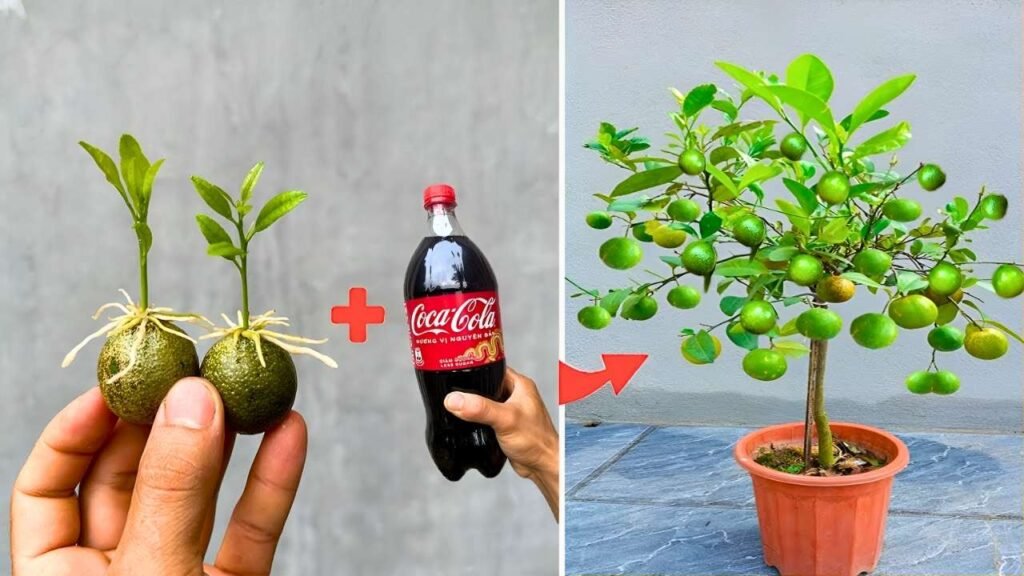
Fast Track Lemon Farming 2026: Lemon farming in 2026 is evolving into a high-return agricultural opportunity driven by smart planning, improved planting material, and scientific crop management. Farmers today are no longer willing to wait four to five years for strong production. With advanced cultivation methods, early fruiting within two to three years is now achievable. The secret lies in selecting the right varieties, managing soil health precisely, and following a growth-focused orchard strategy. This detailed blueprint explains how to accelerate lemon tree maturity and achieve consistently heavy citrus harvests with sustainable, profit-oriented practices.
Choose High Performance Varieties
The foundation of early fruiting begins with selecting high-yield, fast-bearing lemon varieties suited to your climate. Improved cultivars are specifically bred for early flowering, disease resistance, and uniform fruit size. Grafted plants from certified nurseries perform significantly better than seed-grown trees because they mature faster and produce consistent yields. Selecting region-specific varieties ensures better adaptation to soil and temperature conditions, reducing plant stress and improving early establishment. Investing in superior planting material may cost slightly more initially, but it dramatically shortens the time to first harvest.
Soil Health Drives Fast Growth
Lemon trees thrive in well-drained, slightly acidic soil rich in organic matter. Preparing the land properly before planting plays a critical role in early fruiting. Deep ploughing improves root penetration, while incorporating compost and well-decomposed manure enhances microbial activity. Balanced soil nutrition allows young plants to establish stronger root systems within the first year. Conducting a soil test before planting helps determine exact nutrient requirements, preventing both deficiency and over-fertilization. Healthy soil structure directly translates into faster vegetative growth and earlier flowering.
Smart Spacing For Maximum Yield
Plant spacing significantly influences sunlight penetration, air circulation, and overall tree health. Overcrowded orchards often delay fruiting due to competition for nutrients and light. Maintaining optimal spacing allows each tree to develop a balanced canopy and strong branching structure. Adequate airflow reduces fungal disease risks, which otherwise slow down plant development. Properly spaced orchards also make irrigation, pruning, and pest management easier. Strategic orchard layout planning ensures uniform growth across all plants, promoting synchronized flowering and heavier fruit sets.
Precision Irrigation Boosts Productivity
Water management determines the difference between average growth and accelerated development. Lemon trees require consistent moisture, especially during the flowering and fruit-setting stages. Drip irrigation is highly effective because it delivers water directly to the root zone while conserving resources. Controlled irrigation prevents waterlogging, which can damage roots and slow plant growth. Maintaining moderate soil moisture stress before flowering can also stimulate better blooming. Efficient water scheduling reduces plant stress and supports faster fruit development, ensuring heavier citrus harvests.
Balanced Nutrition For Early Fruiting
Nutrient management must be strategic and stage-specific. Young lemon plants require nitrogen for vegetative growth, phosphorus for root development, and potassium for overall plant strength. Micronutrients such as zinc, magnesium, and boron play a crucial role in flowering and fruit formation. Foliar feeding during critical growth stages can accelerate flowering and improve fruit retention. Organic inputs combined with targeted fertilizers create a balanced nutrient environment. Avoiding excessive nitrogen is important because it may lead to leafy growth at the expense of fruiting.
Pruning Shapes Strong Framework
Pruning is not just about trimming branches; it is about directing plant energy. Early structural pruning helps create a strong canopy capable of supporting heavy fruit loads. Removing weak or crossing branches improves sunlight distribution and encourages new productive shoots. Timely pruning after harvest stimulates fresh growth, which often leads to better flowering in the next cycle. Maintaining a well-shaped tree improves fruit quality, reduces disease incidence, and ensures consistent production year after year.
Flowering Control Techniques Matter
Managing flowering cycles can significantly impact early fruiting success. Certain cultivation practices encourage synchronized blooming and higher fruit set. Regulated irrigation before flowering can stimulate bud formation. Balanced potassium application strengthens flowering response and reduces flower drop. In some regions, controlled stress techniques are used carefully to induce better blooming. Monitoring environmental factors such as temperature and humidity also helps predict flowering patterns. Proper flowering management ensures that trees channel their energy into fruit production efficiently.
Pest Protection Without Yield Loss
Pests and diseases can severely delay fruiting if not controlled early. Lemon orchards are vulnerable to leaf miners, aphids, and fungal infections that weaken young plants. Integrated pest management strategies combine biological controls, regular monitoring, and targeted sprays. Early detection prevents large-scale infestations that reduce plant vigor. Maintaining orchard hygiene by removing infected leaves and debris minimizes disease spread. Healthy plants invest more energy in fruit production rather than recovery from stress, resulting in heavier harvests.
Mulching For Root Strength
Mulching is a simple yet powerful technique to accelerate lemon tree growth. Organic mulch helps retain soil moisture, regulate temperature, and suppress weed competition. Stronger root systems develop when soil conditions remain stable and nutrient-rich. Mulching also enhances microbial activity, which improves nutrient availability. During hot seasons, mulch protects roots from extreme heat stress. This stable environment encourages faster vegetative growth and better fruit retention. Consistent mulching practices contribute to long-term orchard productivity.
Pollination Improves Fruit Set
Pollination plays a key role in achieving heavy citrus harvests. Encouraging natural pollinators such as bees increases fruit set percentage significantly. Maintaining flowering plants around the orchard can attract beneficial insects. Avoiding excessive pesticide use during bloom protects pollinators. Proper pollination ensures uniform fruit development and reduces premature fruit drop. Healthy pollination activity not only increases yield but also improves fruit size and quality. Managing this aspect carefully can transform average production into high-volume harvesting.
Climate Adaptation Strategies Work
Weather variability in 2026 requires farmers to adopt adaptive practices. Sudden temperature shifts or irregular rainfall patterns can impact flowering and fruit formation. Installing windbreaks protects young trees from strong winds that damage branches. Shade nets in extremely hot regions prevent heat stress during early plant development. Proper drainage systems reduce the risk of waterlogging during heavy rainfall. By proactively managing climate challenges, farmers can maintain steady growth rates and protect early fruiting cycles.
Harvest Timing Impacts Profit
Early harvesting should never compromise fruit quality. Monitoring fruit maturity ensures lemons reach optimal size, color, and juice content before picking. Harvesting at the right stage improves market price and customer satisfaction. Overripe fruits may lose firmness, while immature fruits may lack flavor. Gentle harvesting techniques prevent tree damage and encourage quicker recovery for the next flowering cycle. Strategic harvest timing ensures continuous productivity and stronger returns on investment.
Final Word: Fast Track Lemon Farming 2026
Fast track lemon farming in 2026 is built on science, planning, and consistent care. Early fruiting and heavy citrus harvests are achievable when growers combine high-quality planting material, healthy soil management, balanced nutrition, and smart irrigation practices. Every stage, from planting to harvest, requires attention and precision. Farmers who adopt this structured growth blueprint can significantly reduce waiting time while maximizing yield and profitability. Lemon farming today is not about patience alone; it is about precision-driven cultivation that transforms orchards into sustainable, high-income ventures.
