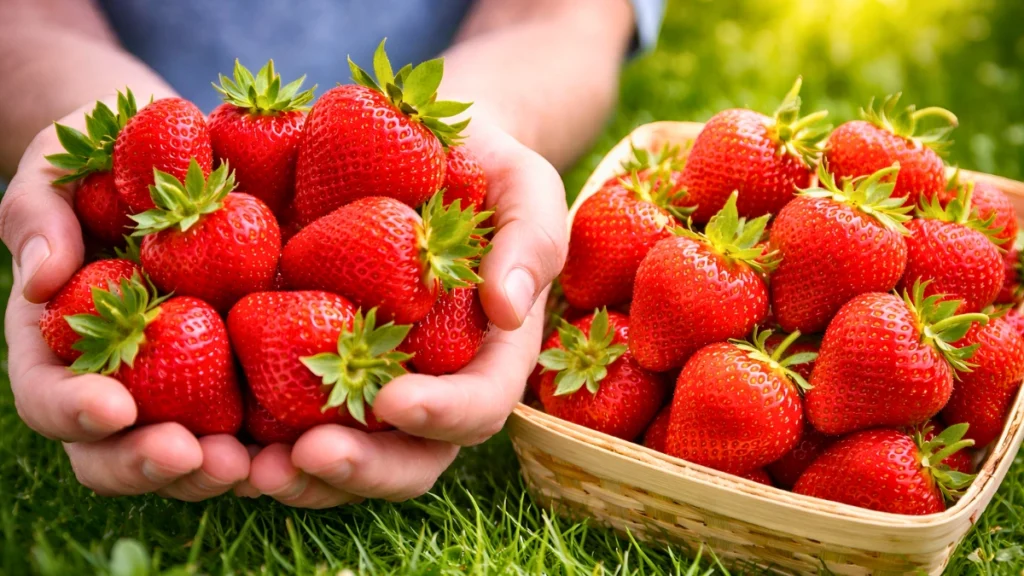
Grow Strawberries at Home in 2026: Growing strawberries at home in 2026 has become more than a hobby. It is now a smart lifestyle choice for families who want fresh, chemical free fruit within arm’s reach. With compact urban homes, rising grocery costs, and increasing awareness about healthy eating, strawberries are one of the easiest and most rewarding fruits to grow. From small apartment balconies to spacious backyards, these vibrant red berries adapt beautifully when given the right conditions. This complete guide will help you achieve maximum juicy yield with practical, updated, and easy to follow methods.
Choose High Yield Modern Varieties
Strawberry success begins with selecting the right variety. In 2026, gardeners are focusing on disease resistant and climate adaptive cultivars. Day neutral varieties are perfect for continuous harvest throughout the season. Everbearing types offer multiple flushes of fruit, while June bearing plants produce one heavy crop ideal for jams and freezing. Always select certified runners or tissue cultured plants for better root health. Healthy planting material directly impacts fruit size, sweetness, and overall productivity.
Sunlight Drives Sugar Production
Strawberries require consistent sunlight to develop their natural sweetness. At least six to eight hours of direct sunlight daily ensures strong flowering and rich flavor. Balconies facing south or west work best for container growing. In backyard gardens, avoid planting near tall walls or trees that create long shadows. Insufficient sunlight leads to smaller berries and weak plants. Adequate exposure boosts sugar formation, resulting in bright red, juicy strawberries packed with taste.
Perfect Soil Mix Formula
Well structured soil determines whether your strawberry plant thrives or struggles. Use light, well draining soil enriched with organic compost. The ideal pH range is slightly acidic, between 5.5 and 6.8. For containers, mix garden soil, coco peat, compost, and a small portion of perlite to enhance aeration. Avoid compact clay soil as it restricts root growth and holds excess water. Loose soil encourages deeper roots, better nutrient absorption, and higher fruit production.
Smart Balcony Growing Setup
Limited space should never stop you from growing strawberries. Hanging baskets, railing planters, vertical towers, and grow bags are excellent balcony solutions. Choose containers at least eight to ten inches deep with proper drainage holes. Space plants adequately to improve airflow and prevent fungal issues. Vertical stacking systems not only save space but also create an attractive green wall. Balcony gardening allows better control over soil quality, watering, and sunlight positioning.
Backyard Bed Preparation Secrets
For those with outdoor space, raised beds are highly recommended. Raised beds improve drainage and make maintenance easier. Prepare beds by mixing compost thoroughly into the top eight inches of soil. Maintain spacing of about twelve inches between plants to allow healthy expansion. Adding straw mulch around plants keeps fruits clean and prevents soil splash during watering. Proper bed preparation reduces root diseases and increases the lifespan of strawberry plants.
Watering Balance Is Critical
Strawberries prefer consistently moist soil but dislike waterlogging. Deep watering two to three times per week works well in moderate climates. During peak summer, container plants may need daily watering. Always water early in the morning so leaves dry quickly, minimizing fungal infections. Avoid overhead watering and direct water toward the base. Mulching helps retain moisture and regulate soil temperature. Balanced watering directly influences berry size and juiciness.
Feed Plants For Maximum Yield
Regular feeding ensures continuous fruiting. Start with a balanced organic fertilizer during early growth stages. Once flowering begins, shift to a potassium rich feed to support fruit development. Compost tea and seaweed extract are excellent natural boosters. Avoid excessive nitrogen as it promotes leafy growth over fruit formation. Feeding every two to three weeks during the growing season keeps plants energetic and productive. Strong nutrition leads to larger, sweeter berries.
Control Pests Naturally
Healthy plants can still attract pests such as aphids, spider mites, and slugs. Inspect leaves weekly and remove damaged parts immediately. Neem oil spray works as an effective organic solution against common insects. To prevent slugs, sprinkle crushed eggshells or use copper tape around containers. Good air circulation reduces fungal problems like powdery mildew. Maintaining cleanliness around the planting area discourages pest infestation and protects developing fruits.
Prune And Multiply Strategically
Strawberry plants produce runners that create new baby plants. If your goal is higher fruit production, remove most runners so the plant focuses energy on berries. If you want to expand your garden, allow selected runners to root in small pots. Pinching early flowers on young plants strengthens roots for future harvests. Strategic pruning ensures better airflow, healthier plants, and improved fruit size over time.
Seasonal Care For Long Life
Strawberries are perennial and can produce for multiple years with proper care. After harvest season, trim old leaves and clean the bed. In colder regions, apply mulch to protect roots from frost. Container plants can be moved to sheltered areas during extreme weather. Replace plants every two to three years to maintain productivity. Rotating planting spots in backyard beds prevents soil nutrient depletion and disease buildup.
Harvest Timing Matters Most
Picking strawberries at the right stage makes a huge difference in flavor. Harvest when berries turn fully red and glossy. Unlike some fruits, strawberries do not ripen after picking. Gently twist and lift instead of pulling to avoid damaging the plant. Frequent harvesting encourages more fruit formation. Early morning harvesting preserves freshness and firmness. Proper timing guarantees maximum sweetness and better storage quality.
Final Word: Grow Strawberries at Home in 2026
Growing strawberries at home in 2026 is practical, rewarding, and surprisingly simple with the right approach. Whether you cultivate them in balcony containers or backyard beds, attention to sunlight, soil health, watering balance, and nutrition determines your success. With thoughtful care and smart maintenance, you can enjoy multiple harvests of fresh, juicy strawberries every season. Homegrown berries offer unmatched flavor, complete control over growing methods, and the satisfaction of harvesting fruit straight from your own space.
