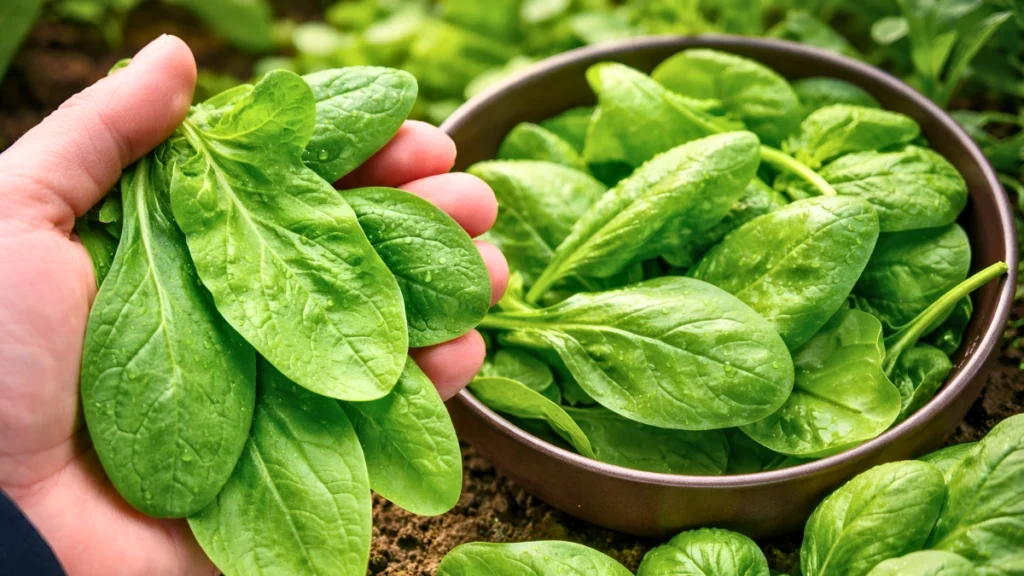
Heat-Resistant Spinach Varieties 2026: Spinach has always been known as a cool-season crop, but gardeners are no longer limited to spring and fall harvests. In 2026, plant breeding and smarter cultivation techniques are helping home growers and small farmers successfully grow spinach even during warmer months. Rising temperatures do not have to mean empty salad bowls. With the right heat-resistant spinach varieties and proper care, you can maintain steady production of tender, nutrient-rich leaves throughout late spring and well into summer.
Growing spinach in heat requires more than luck. It demands selecting the right seeds, understanding soil conditions, and managing temperature stress carefully. Newer cultivars are specifically developed to resist bolting, maintain flavor, and produce consistent foliage even when daytime temperatures climb higher than traditional spinach prefers. If you are ready to extend your growing season, these fresh insights for 2026 will help you do exactly that.
Beat The Heat With Smart Varieties
Choosing the right variety is the foundation of summer spinach success. Modern heat-resistant spinach types are bred to delay bolting, which is the process where plants flower early due to stress. Varieties like Tyee Improved, Space Hybrid, and Corvair Select are known for holding their leaf quality longer under warm conditions. These cultivars are designed for slower flowering, thicker leaves, and improved tolerance to fluctuating temperatures, making them ideal for gardeners facing hotter seasons.
Slow Bolting Means Longer Harvest
Bolting is the biggest challenge when growing spinach in summer. Once the plant bolts, leaves become smaller and more bitter. Heat-tolerant varieties focus on genetic traits that slow down this transition. Slower bolting allows gardeners to harvest for several extra weeks. Instead of losing the crop quickly after a heatwave, these improved plants continue producing usable leaves, extending your harvest window and maximizing productivity in limited garden space.
Microclimate Makes Huge Difference
Creating a favorable microclimate can dramatically improve spinach performance during warm weather. Plant spinach in areas that receive morning sun but are shaded during the hottest afternoon hours. Using lightweight shade cloth can reduce direct sunlight intensity without blocking airflow. Growing near taller crops such as beans or tomatoes can provide natural filtered light. Even a few degrees of temperature reduction can significantly delay bolting and improve leaf texture.
Soil Temperature Control Matters
Soil temperature plays a crucial role in summer spinach growth. Warm soil encourages stress and early flowering. Adding a thick layer of organic mulch helps keep the root zone cooler and retains moisture. Compost not only improves nutrient content but also enhances soil structure, allowing better water retention without waterlogging. Cooler, consistently moist soil supports steady leaf growth and reduces the plant’s stress response during high heat periods.
Water Deep And Consistent
Irregular watering is one of the fastest ways to ruin a summer spinach crop. Heat increases evaporation, which means plants dry out faster. Deep watering early in the morning allows moisture to reach the roots before temperatures rise. Consistency is key. Avoid letting the soil dry completely between waterings. Maintaining even moisture levels keeps leaves tender, reduces bitterness, and prevents sudden stress that triggers premature flowering.
Container Growing Advantage
Growing spinach in containers during summer offers flexibility and control. Containers can be moved to shaded patios, balconies, or areas with filtered sunlight. This mobility helps manage exposure during peak heat hours. Use larger pots to prevent rapid drying and fill them with high-quality potting mix enriched with compost. Container-grown spinach often performs better in summer because gardeners can precisely manage watering, sunlight, and airflow conditions.
Succession Planting Extends Season
Instead of planting all seeds at once, practice succession planting every two to three weeks. This ensures a continuous supply of young plants at different growth stages. Younger plants tolerate heat better than mature ones close to bolting. By staggering your planting schedule, you reduce the risk of losing the entire crop to a sudden temperature spike. Succession planting keeps fresh leaves coming steadily throughout the warm season.
Nutrient Balance Supports Growth
Spinach thrives in nutrient-rich soil but excessive nitrogen can cause rapid growth followed by stress. Use a balanced organic fertilizer that promotes steady leaf development without overwhelming the plant. Incorporating well-rotted compost before planting provides slow-release nutrients. Healthy plants with strong root systems are more capable of handling temperature fluctuations. Proper nutrition builds resilience and improves overall leaf quality during challenging conditions.
Harvest Young For Best Flavor
Harvesting technique matters just as much as variety selection. Picking outer leaves regularly encourages the plant to continue producing new growth. Young leaves are naturally sweeter and more tender than mature ones. Frequent harvesting reduces plant stress and slows down bolting. Instead of waiting for large leaves, focus on consistent light harvesting. This method keeps the plant productive and improves overall yield during summer months.
Heat Tolerance Is Evolving
Plant breeding in 2026 continues to improve spinach adaptability. Researchers focus on developing hybrids that tolerate both heat and humidity while maintaining traditional spinach flavor. Improved disease resistance is also part of these new lines, helping plants stay healthy even when warm conditions promote fungal issues. The future of spinach cultivation is shifting toward resilience, allowing growers in warmer regions to produce leafy greens with greater reliability.
Small Changes Big Results
Growing spinach in summer does not require expensive equipment or complicated systems. Simple changes like adding mulch, providing partial shade, watering consistently, and selecting improved varieties can transform results. Understanding how spinach responds to temperature stress allows gardeners to act proactively rather than reactively. With thoughtful planning and modern heat-resistant seeds, summer spinach production becomes practical and rewarding.
Conclusion
Heat-resistant spinach varieties in 2026 are redefining what is possible in warm-season gardening. By choosing slow-bolting cultivars, controlling soil temperature, managing water carefully, and harvesting regularly, you can successfully grow fresh leafy greens even during summer. Spinach no longer has to be limited to cool months. With smart techniques and modern breeding advancements, your garden can stay productive and your meals can stay nutritious, no matter how high the temperatures rise.
