How to Grow Mushrooms Indoors 2026: Indoor mushroom growing in 2026 has evolved into a smart, tech-friendly, and highly rewarding practice for home growers. With rising grocery prices and growing demand for organic gourmet food, cultivating mushrooms inside your home is no longer just a hobby. It has become a practical solution for fresh, chemical-free produce with impressive yields in small spaces. From apartments to garages, anyone can build a compact setup that delivers consistent harvests throughout the year.
Modern indoor cultivation combines simple biological principles with smarter environmental control tools. When temperature, humidity, airflow, and cleanliness are managed correctly, gourmet varieties can produce multiple flushes with strong texture and flavor. The key is building the right foundation from day one.
Smart Space Setup Wins Big
A successful indoor mushroom farm begins with choosing the right location. A spare room, unused corner, storage space, or insulated balcony can work perfectly. Mushrooms thrive in dim environments with stable temperatures between 18°C and 24°C. Instead of large infrastructure, many growers now use compact grow tents with reflective interiors. These tents help regulate humidity and airflow while maximizing production inside limited square footage. Even a small 4×4 space can produce impressive weekly harvests.
Gourmet Varieties Deliver Profits
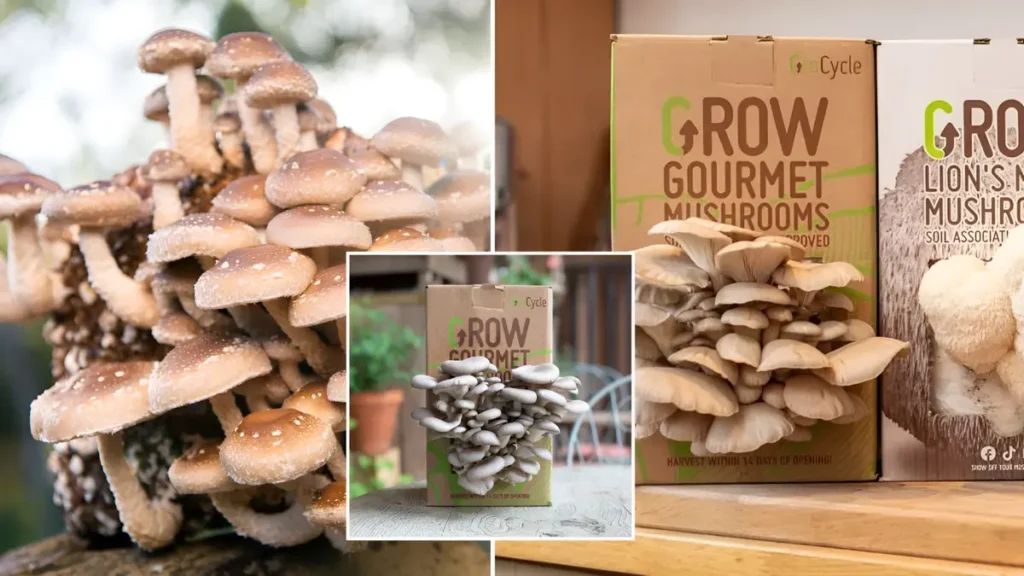
Choosing high-performing gourmet varieties dramatically increases yield and value. Oyster mushrooms remain one of the fastest producers and adapt well to multiple substrates. Shiitake mushrooms are prized for their deep umami flavor and strong shelf life. Lion’s mane is gaining attention for its unique appearance and culinary versatility. In 2026, many growers also experiment with chestnut mushrooms and blue oyster strains for premium markets. Selecting vigorous strains ensures faster colonization and stronger fruiting cycles.
Clean Substrate Means Success
The substrate is the nutritional base for mushroom growth. Hardwood sawdust, wheat straw, soybean hulls, and even agricultural waste are commonly used. Proper pasteurization or sterilization is essential to remove competing organisms. Steam sterilizers and pressure cookers are widely used in home setups. A clean substrate encourages aggressive mycelium growth, which directly influences yield size and flush frequency. Cutting corners during substrate preparation often leads to contamination and lower productivity.
Strong Spawn Speeds Growth
High-quality spawn acts as the engine of production. Grain spawn is widely preferred because it spreads quickly through substrate material. Fresh, contamination-free spawn results in faster colonization and uniform fruiting. In 2026, many indoor growers purchase lab-tested spawn from specialized producers to ensure strain stability. Always store spawn in cool conditions before use. Healthy spawn dramatically reduces the time between inoculation and harvest, improving overall efficiency.
Humidity Control Boosts Yields
Mushrooms require consistent humidity to develop thick caps and strong stems. Ideal humidity levels range from 75% to 90%, depending on the variety. Digital hygrometers and automatic humidifiers are now affordable and widely used in home systems. Maintaining steady moisture prevents cracking, shrinking, and uneven growth. However, excess water pooling on substrate can invite mold. Balanced humidity is one of the most important factors behind high-yield gourmet production.
Fresh Air Shapes Perfect Caps
Air exchange plays a crucial role in mushroom development. Without proper oxygen flow, mushrooms may grow long stems with underdeveloped caps. Installing a small exhaust fan or passive ventilation system ensures fresh air circulation. Many smart growers use timers to regulate airflow intervals throughout the day. Controlled air exchange enhances cap formation, improves texture, and supports consistent flush cycles. Good airflow also minimizes carbon dioxide buildup inside enclosed growing spaces.
Lighting Helps Natural Growth
Mushrooms do not require intense sunlight, but indirect light helps guide proper growth orientation. Soft LED lighting for a few hours daily is sufficient. Complete darkness is not necessary, but strong direct light should be avoided. Balanced lighting supports healthy cap expansion and uniform appearance. Modern grow tents often include adjustable lighting systems that mimic natural day cycles. Controlled lighting contributes to aesthetic quality, especially for gourmet varieties sold fresh.
Monitor Flush Timing Carefully
After colonization, small pinheads begin forming on the substrate surface. This stage signals the start of fruiting. Within days, clusters expand rapidly. Harvesting at the right moment preserves flavor and maximizes weight. Mushrooms should be picked before caps flatten fully. Overripe mushrooms release spores that may affect future flushes. Tracking growth cycles allows growers to plan staggered batches, ensuring continuous weekly production throughout the year.
Hygiene Protects Your Crop
Indoor mushroom farming demands strict cleanliness. Wash hands thoroughly before handling substrate or fruiting bags. Keep surfaces sanitized and remove contaminated materials immediately. Even a small mold outbreak can spread quickly in humid conditions. Many growers maintain separate preparation and fruiting areas to reduce risk. Clean habits protect yield quality and maintain stable production. Discipline and routine sanitation are essential for consistent gourmet output.
Smart Automation Increases Efficiency
Technology in 2026 has made indoor cultivation more efficient than ever. Automated humidity controllers, digital thermometers, and smart timers simplify environmental management. Some growers use app-connected devices to monitor temperature and moisture remotely. While manual setups can work well, automation reduces human error and improves long-term consistency. Investing in basic smart tools often leads to larger harvests and less stress during production cycles.
Small Space Big Returns
One of the biggest advantages of indoor mushroom cultivation is its productivity per square foot. Vertical shelving systems allow multiple growing layers in compact spaces. A modest indoor setup can produce several kilograms of mushrooms monthly. Because gourmet mushrooms often command premium prices, some home growers turn their harvest into a side income stream. With careful planning, indoor farming becomes both a sustainable food source and a profitable venture.
Sustainable And Eco Friendly Farming
Mushroom cultivation supports sustainable living by recycling agricultural waste into nutritious food. Spent substrate can later be composted and reused in gardens. Unlike traditional crops, mushrooms require minimal water and no chemical fertilizers. Indoor farming reduces transportation costs and ensures fresher produce. This eco-friendly advantage makes mushroom cultivation increasingly popular among environmentally conscious households.
Final Word: How to Grow Mushrooms Indoors 2026
Indoor mushroom growing in 2026 represents a powerful combination of sustainability, smart technology, and gourmet food production. With the right setup, clean practices, quality spawn, and controlled environmental conditions, even beginners can achieve high yields in limited space. The process rewards patience and consistency while delivering fresh, flavorful mushrooms year-round. For anyone seeking a modern, efficient way to grow premium food indoors, mushroom cultivation stands out as one of the smartest choices available today.
