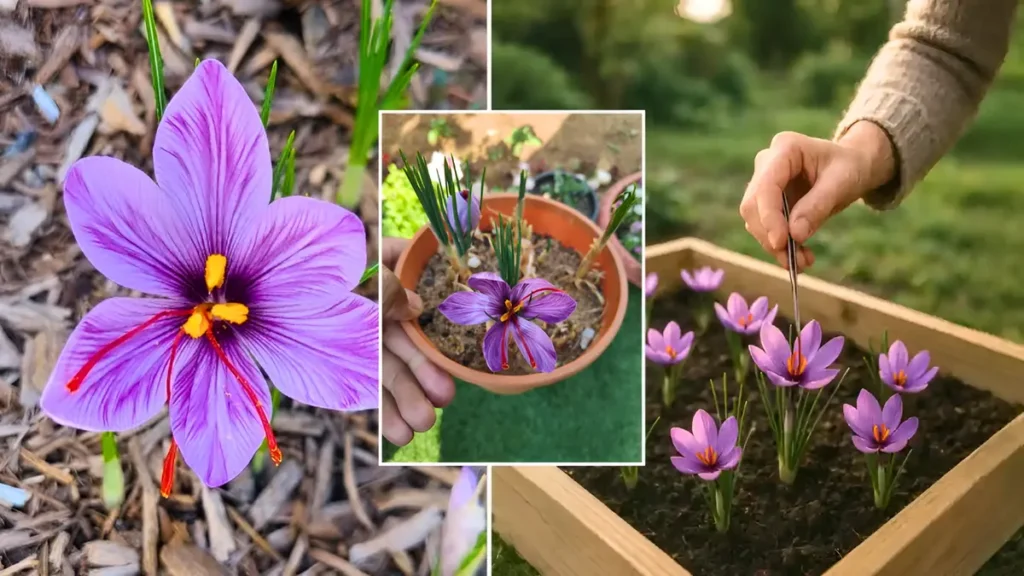
How to Grow Saffron in 2026: Saffron is no longer limited to cold valleys and traditional farmlands. In 2026, smart indoor farming has completely transformed how this precious spice is grown. Known worldwide as “red gold,” saffron offers one of the highest returns per square foot in agriculture. With rising demand in gourmet cooking, health products, and luxury cosmetics, more growers are turning toward controlled indoor systems. The good news is that saffron does not require massive land. With planning, precision, and the right technology, even small indoor spaces can generate premium yields.
Below is a completely fresh and modern blueprint for growing saffron indoors in 2026, designed for maximum quality, efficiency, and profitability.
Red Gold Profit Revolution
Saffron continues to dominate the high-value spice market due to its rarity and labor-intensive harvesting process. Each flower produces only three red stigmas, making production naturally limited. This scarcity drives premium pricing. In 2026, the global appetite for organic and chemical-free saffron has increased sharply. Indoor cultivation allows growers to offer traceable, clean, and high-grade saffron. With smart planning, even a 500-square-foot indoor unit can produce significant revenue annually.
Future Ready Indoor Setup
Modern saffron farming relies on vertical rack systems that maximize space. Multi-layer shelving units allow corms to grow efficiently without large horizontal fields. LED grow lights with adjustable intensity support plant development where sunlight is limited. Temperature control units maintain ideal conditions between 15 to 20 degrees Celsius during flowering. Air circulation fans prevent moisture buildup. A well-structured indoor layout improves productivity while reducing pest exposure and weather-related risks.
Elite Corm Selection Strategy
High-quality corms are the backbone of profitable saffron farming. Select large, disease-free corms with firm texture and uniform size. Bigger corms produce more flowers and higher yields. Always source corms from trusted growers who maintain proper storage conditions. Before planting, inspect each corm carefully and discard any soft or moldy pieces. Investing in superior planting material ensures stronger plants, better flowering, and long-term multiplication for future cycles.
Precision Climate Control Wins
Saffron thrives in specific temperature and humidity ranges. Indoor systems allow full environmental control, which increases flowering consistency. Maintain moderate humidity levels around 40 to 50 percent to prevent fungal diseases. Avoid excess moisture in the air. Automated sensors help monitor temperature fluctuations and maintain stability. Controlled climate conditions also enable growers to schedule flowering cycles strategically, allowing better planning for harvesting and market supply.
Soil Mix That Delivers
Saffron does not require heavy soil, but drainage is critical. A sandy loam mixture enriched with organic compost works effectively. Some indoor growers use coco peat blended with perlite to enhance aeration. The goal is to prevent water stagnation around corms. Use shallow trays with proper drainage holes. Sterilizing the soil before planting reduces infection risk. Healthy soil structure directly supports root development and consistent flowering.
Watering Discipline Matters
Overwatering is one of the biggest mistakes in saffron farming. After planting corms, light watering is sufficient to stimulate root growth. Once shoots appear, maintain controlled irrigation. During dormancy, completely reduce watering to allow the corms to rest naturally. Indoor drip systems provide accurate water delivery without oversaturating the soil. Maintaining a dry and balanced environment significantly reduces rot and improves long-term productivity.
Harvest Timing Is Everything
Saffron flowers bloom for a very short period, typically during early morning hours. Flowers should be harvested on the same day they open to preserve color and aroma. Gently pluck the flowers and separate the red stigmas by hand. This delicate process ensures quality preservation. Harvesting at the right time directly impacts grade classification. Careful handling prevents damage and helps maintain strong market value.
Advanced Drying Techniques
Drying transforms fresh stigmas into high-quality saffron threads. In 2026, many indoor growers use temperature-controlled dehydrators to ensure uniform drying. Ideal drying temperature ranges around 40 to 45 degrees Celsius. Avoid overheating, as it can reduce aroma and potency. Proper drying enhances deep red color and concentrated fragrance. Once dried, store saffron in airtight glass containers away from moisture and direct light to preserve freshness.
Boost Yield With Smart Tech
Technology plays a powerful role in modern saffron farming. Digital climate monitors, automated irrigation timers, and smart humidity sensors reduce manual errors. Some growers use mobile apps to track growth stages and flowering schedules. Data analysis helps improve each cultivation cycle. With consistent monitoring, farmers can identify optimal patterns and adjust conditions for better results. Smart farming tools increase reliability and reduce production risks.
Understanding Dormancy Secrets
After flowering, saffron plants continue leaf growth for several weeks. These leaves help nourish the corms for the next cycle. Allow the foliage to turn yellow naturally before trimming. This resting period is essential for corm multiplication. Indoor growers can rotate batches in different racks to create staggered production cycles. Understanding dormancy ensures sustainable yield growth year after year.
Organic Edge In Market
Consumers in 2026 strongly prefer chemical-free produce. Indoor saffron farming naturally reduces the need for pesticides due to controlled conditions. Promoting organic practices can increase selling price significantly. Clear packaging, purity assurance, and transparency about indoor cultivation methods help build trust. Premium saffron buyers look for deep red color, strong aroma, and clean labeling. Positioning your product as high-grade indoor-grown saffron adds brand value.
Scaling Small Spaces Big
One of the biggest advantages of indoor saffron farming is scalability. Growers can start with a single room and expand gradually. Vertical systems allow expansion without increasing floor space. With careful reinvestment of profits, farmers can multiply corm stock each season. This gradual scaling approach reduces financial risk while increasing output steadily. Even urban entrepreneurs can build profitable saffron units inside warehouses or spare rooms.
Final Word: How to Grow Saffron in 2026
Indoor saffron farming in 2026 represents a perfect blend of tradition and technology. With controlled climate, smart irrigation, premium corm selection, and disciplined harvesting, growers can achieve exceptional yields from compact spaces. Success depends on precision, patience, and quality control at every stage. As global demand for premium spices continues to rise, saffron offers a powerful opportunity for modern agri-entrepreneurs seeking high returns from small-scale indoor farming systems.
