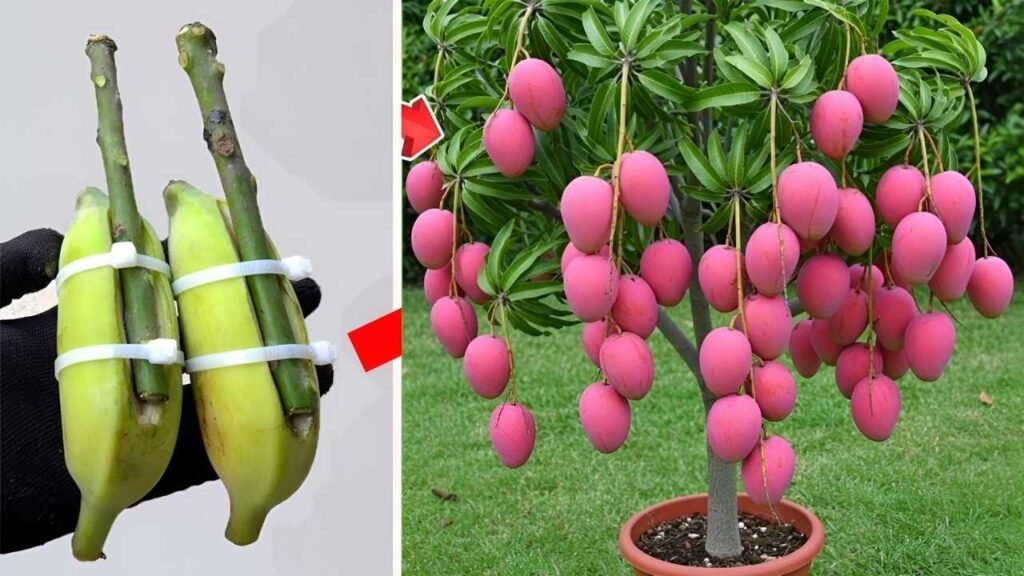
Mango Air Layering 2026: Mango growers across the world are constantly searching for faster, more reliable ways to multiply high-yielding trees. In 2026, one natural method is gaining strong momentum among orchard owners and home gardeners alike: Mango Air Layering enhanced with an Aloe Vera Root Booster formula. This approach combines traditional propagation techniques with plant-based science to accelerate root formation, improve survival rates, and support heavy fruit production. If you want mango trees that fruit earlier and grow vigorously without relying on synthetic chemicals, this detailed guide will walk you through every essential step.
The 2026 Mango Propagation Revolution
Mango air layering is no longer just a hobbyist trick. It has become a serious propagation strategy for farmers who want uniform orchards and predictable fruit quality. Unlike seed-grown plants, which can vary widely in taste and productivity, air-layered trees are exact clones of the parent plant. In 2026, growers are focusing on consistency, export-quality fruit, and early returns. Air layering delivers all three benefits, especially when combined with natural root enhancers like fresh aloe vera gel.
Aloe Vera Root Power Secret
Aloe vera contains natural enzymes, trace minerals, amino acids, and plant growth compounds that stimulate root cell development. When applied to a mango branch during air layering, it activates faster root initiation around the exposed cambium layer. This reduces the waiting period for visible roots and improves overall success rates. Fresh gel extracted directly from the leaf works best because it retains active biological properties that support plant healing and regeneration at the wound site.
Faster Fruiting Starts Here
One of the strongest advantages of mango air layering is reduced juvenile growth time. Seed-grown mango trees often take five to eight years to produce fruit. In contrast, air-layered trees originate from mature branches that already possess flowering capability. After proper establishment, these trees may begin flowering much earlier compared to seedlings. This gives farmers a valuable time advantage and allows home gardeners to enjoy fruits without waiting nearly a decade.
Selecting The Perfect Branch
Branch selection plays a critical role in successful air layering. Choose a healthy, disease-free branch that is at least pencil-thick and actively growing. Avoid overly young green shoots or extremely woody old branches. The ideal branch should show strong leaf growth and no signs of pest damage. Selecting the right branch ensures better sap flow, which directly influences root formation speed and the future vigor of the new mango plant.
Correct Peeling Technique Matters
After selecting the branch, remove a one-inch ring of bark carefully without damaging the inner wood. This exposed section is where roots will form. Clean scraping of the cambium layer prevents bark regeneration and forces the branch to produce roots instead. Applying freshly extracted aloe vera gel evenly on the exposed area immediately after peeling protects the wound, prevents infection, and stimulates early root cell activity.
Wrapping For Maximum Root Growth
Moisture retention is crucial during mango air layering. Use sphagnum moss, coco peat, or a well-drained organic rooting medium. Soak the material lightly so it remains moist but not dripping. Wrap it firmly around the treated area and cover it tightly with transparent plastic. Secure both ends to prevent air entry. Transparent wrapping helps monitor root formation without disturbing the developing root ball.
Ideal Climate Boosts Success
Warm temperatures between 25 to 35 degrees Celsius create ideal conditions for root development. Moderate humidity also helps prevent drying of the wrapping medium. In tropical and subtropical regions, late spring and early monsoon are considered excellent periods for mango air layering. Avoid extreme cold or intense heat waves, as environmental stress can slow root formation or reduce survival rates.
Aloe Vera Improves Survival Rate
One common problem in air layering is transplant shock after cutting the rooted branch. Aloe vera strengthens the initial root system, making it thicker and more fibrous. A dense root network absorbs water and nutrients efficiently once planted in soil. This reduces wilting, supports quicker establishment, and enhances early vegetative growth. Strong early growth directly contributes to better flowering potential in the following seasons.
Nutrient Strategy After Planting
After roots become visible and dense, cut the branch carefully below the rooted section. Plant it in well-drained soil enriched with compost or aged organic manure. Avoid heavy chemical fertilizers in the early stage. Balanced organic nutrition promotes steady growth without burning tender roots. Regular watering, partial shade for the first few weeks, and light mulching help the plant transition smoothly into open soil conditions.
Canopy Management For Heavy Yield
To achieve massive mango yield, early canopy shaping is essential. Pinch the top once the plant reaches sufficient height to encourage side branching. A well-spread canopy increases sunlight exposure and creates more flowering points. Proper pruning during early growth stages ensures strong structural development. A balanced canopy not only improves fruit production but also reduces disease risk by allowing better air circulation.
Avoid These Costly Mistakes
Many growers make the mistake of cutting the branch before a solid root ball develops. Patience is critical. Wait until roots are clearly visible and thick enough to support independent growth. Another mistake is allowing the moss to dry out, which halts root formation. Overwatering can also cause fungal problems. Maintain consistent moisture and inspect the wrapping regularly without disturbing the developing roots.
Sustainable Farming Trend 2026
Natural farming techniques are gaining global acceptance, and mango air layering with aloe vera perfectly aligns with this movement. It eliminates the need for synthetic rooting hormones and reduces overall input costs. Farmers adopting eco-friendly practices are finding better soil health and improved long-term orchard sustainability. Aloe vera is widely available, affordable, and environmentally safe, making it a practical choice for small and large-scale growers alike.
Economic Benefits For Growers
Early fruiting translates directly into quicker financial returns. Commercial orchard owners can expand plantations using proven high-yielding mother trees. This ensures consistent fruit size, taste, and market value. Reduced dependency on nurseries also lowers planting costs. For home gardeners, it provides the satisfaction of growing premium mango varieties without purchasing expensive grafted plants every season.
Strong Roots Mean Bigger Harvest
Root strength determines nutrient absorption efficiency. When aloe vera enhances root density during air layering, the plant establishes faster and grows more vigorously. Strong vegetative growth supports abundant flowering. With proper irrigation, organic feeding, and seasonal pruning, these trees can produce heavy fruit loads within a shorter timeframe compared to conventional methods.
Final Word: Mango Air Layering 2026
Mango Air Layering 2026 with Aloe Vera Root Booster Formula offers a practical, natural, and highly effective strategy for faster fruiting and massive yield. It combines scientific understanding of plant physiology with eco-friendly farming techniques. By choosing healthy branches, applying fresh aloe vera gel, maintaining proper moisture, and providing balanced aftercare, growers can significantly improve propagation success. This method is not just a trend; it represents a smarter, more sustainable future for mango cultivation.
