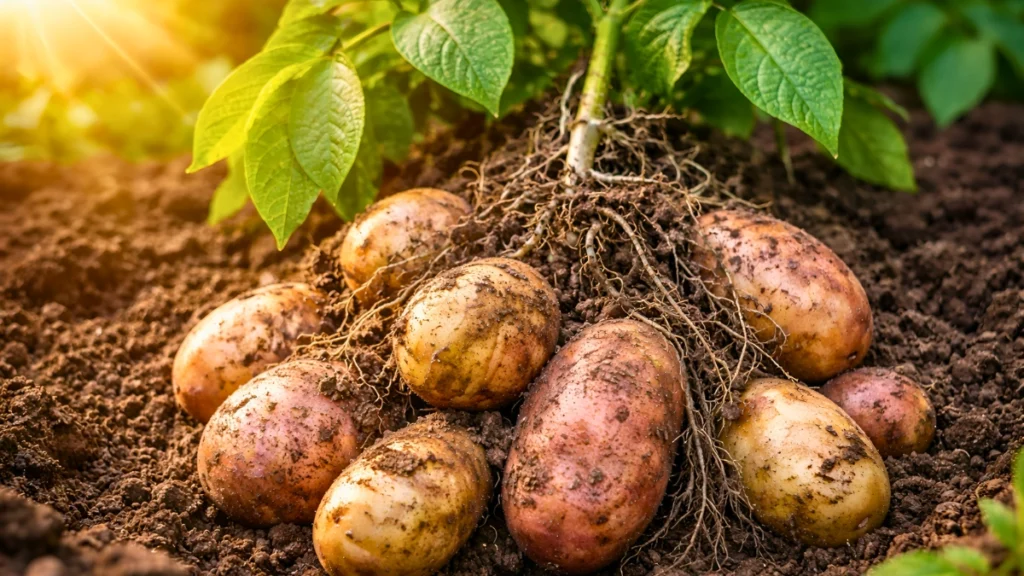
Organic Potato Growing 2026: Organic potato farming is rapidly evolving in 2026 as growers search for smarter, soil friendly methods that increase production without chemical dependency. Rising fertilizer prices and changing weather patterns have pushed both commercial farmers and home gardeners to rethink traditional practices. One technique gaining serious attention is deep mulching. This natural strategy not only protects soil health but also creates ideal growing conditions for larger, healthier tubers. When applied correctly, deep mulching can dramatically improve plant vigor and significantly increase overall yield.
Deep Mulch Power Boost
Deep mulching transforms how potatoes grow beneath the surface. Instead of repeatedly hilling soil around plants, growers apply a thick organic layer such as straw or dried leaves. This method shields developing tubers from sunlight exposure while maintaining consistent soil moisture. By reducing soil compaction and encouraging biological activity, deep mulch creates a thriving underground environment. The result is stronger root systems and improved nutrient absorption, which directly contributes to higher productivity.
Living Soil Equals Bigger Harvests
Healthy soil is the foundation of successful organic potato production. Deep mulching feeds soil organisms as it gradually decomposes. Earthworms, fungi, and beneficial bacteria break down organic matter into plant available nutrients. This continuous natural feeding system strengthens plant growth without synthetic inputs. Over time, soil becomes lighter, richer, and more fertile. When roots expand easily in biologically active soil, tuber formation becomes more uniform and yields often increase significantly.
Moisture Balance Makes Magic
Consistent soil moisture plays a critical role in potato development. Fluctuating water levels often cause cracked or undersized tubers. Deep mulch acts as a protective blanket that reduces evaporation and stabilizes hydration. Even during warm periods, soil beneath thick mulch retains moisture longer than uncovered beds. This steady water availability allows plants to focus energy on tuber enlargement instead of stress recovery. Balanced moisture conditions are a major factor behind improved harvest weight.
Temperature Control For Growth
Potatoes prefer moderate soil temperatures, especially during tuber initiation. Extreme heat or sudden cold can disrupt growth cycles. Deep mulching insulates soil from temperature swings by creating a protective layer that buffers environmental changes. During hot afternoons, soil remains cooler. During cooler nights, warmth is preserved. This stable underground climate reduces stress on plants and encourages steady development. Consistency in soil temperature often results in more uniform tuber sizing and improved overall yield.
Weed Pressure Drops Naturally
Weeds compete aggressively with potatoes for nutrients, light, and moisture. In organic systems, manual weeding consumes valuable time and labor. A thick mulch layer blocks sunlight from reaching weed seeds, drastically reducing germination rates. With fewer weeds competing for resources, potato plants gain stronger access to nutrients and water. This advantage improves plant growth and reduces production costs. Cleaner beds also promote better airflow, which helps minimize disease pressure.
Tuber Protection Without Hilling
Traditional potato farming relies heavily on repeated hilling to prevent tubers from turning green. Deep mulching offers an alternative approach. By covering soil with a generous organic layer, developing tubers remain fully protected from direct sunlight. This reduces the need for constant soil movement around plants. Minimizing soil disturbance protects root structures and beneficial organisms. Over time, less physical intervention results in healthier plants and a more sustainable growing system.
Improved Microbial Diversity Boosts Yield
Organic matter in deep mulch supports a diverse microbial ecosystem. Beneficial fungi assist with nutrient uptake, while bacteria help convert organic materials into accessible minerals. This cooperative underground network enhances plant resilience and nutrient efficiency. Greater microbial diversity also strengthens soil structure, improving aeration and drainage. When roots function in a biologically rich environment, plants often produce more vigorous foliage and heavier tubers at harvest.
Reduced Irrigation Saves Resources
Water efficiency has become increasingly important in modern agriculture. Deep mulching significantly reduces irrigation frequency by limiting surface evaporation. Moisture remains available in the root zone for extended periods. This not only lowers water consumption but also reduces labor associated with watering schedules. For larger farms, water savings translate into reduced operational costs. Sustainable water management combined with healthy soil conditions creates ideal circumstances for high yield organic potato production.
Harvesting Becomes Effortless
One of the most practical advantages of deep mulching is easier harvesting. Instead of digging deep into compacted soil, growers can gently move aside mulch layers to reveal clean, well formed potatoes. This method reduces mechanical damage and bruising. Tubers harvested under mulch often have smoother skin and less soil residue. Lower harvest stress preserves soil structure and prepares the bed for future crops with minimal disturbance.
Smart Mulch Selection Matters
Choosing the right mulch material plays a critical role in success. Clean straw, aged leaves, and partially composted organic matter are popular choices. Materials should be free from chemical contamination and weed seeds. Thickness is important, usually eight to twelve inches, to provide effective insulation and weed suppression. Gradual layering throughout plant growth ensures proper coverage while preventing stem rot. Careful material selection enhances both soil health and yield potential.
Crop Rotation Strengthens Results
Deep mulching works best when combined with sound organic farming principles. Rotating potatoes with legumes or leafy greens reduces soil borne disease pressure and improves nitrogen availability. Healthy crop rotation plans prevent nutrient depletion and maintain balanced soil fertility. When rotation strategies align with mulching practices, the combined effect strengthens plant resilience and productivity. Sustainable systems consistently outperform single practice approaches in long term organic farming.
Yield Gains Farmers Notice
While results vary depending on climate and soil conditions, many growers report significant increases in productivity when using deep mulch techniques. Improved moisture control, reduced weed competition, and stronger soil biology collectively contribute to higher output. Some farms have observed yield improvements approaching double compared to conventional shallow hilling methods. Even moderate improvements can make a meaningful difference in profitability and sustainability.
Organic potato growing in 2026 is shifting toward regenerative, soil centered strategies that protect long term productivity. Deep mulching stands out as a practical method that enhances soil health, reduces resource use, and supports higher yields. When applied thoughtfully and combined with proper crop management, this technique can transform both small gardens and commercial operations. The path to bigger harvests begins beneath the surface, where living soil and protective mulch work together to unlock the full potential of every potato plant.
