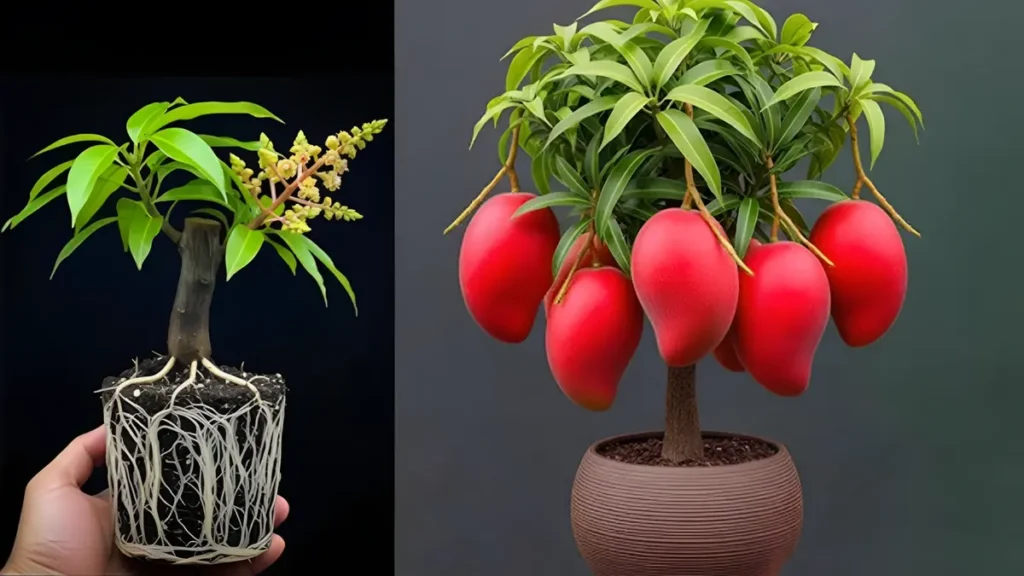
2026 Balcony Mango Farming: Fresh mangoes grown at home taste different. The aroma feels richer, the sweetness more personal, and the satisfaction unmatched. In 2026, balcony mango farming is becoming one of the smartest urban gardening trends. With compact dwarf varieties and improved container growing techniques, even apartment dwellers can harvest juicy mangoes without owning a backyard. Modern balcony cultivation focuses on smart planning, precise nutrition, and climate awareness to ensure consistent fruiting in limited spaces.
Compact Varieties That Truly Thrive
Selecting the right dwarf mango variety is the most important step for balcony success. Modern grafted dwarf cultivars are specially developed to remain under six to eight feet when pruned properly. These trees start fruiting earlier and maintain manageable growth in containers. Look for varieties known for high sweetness, fiberless texture, and strong disease tolerance. Choosing a climate suitable variety also improves flowering consistency. A healthy graft union and strong central stem indicate a quality plant ready for container life.
Balcony Space Planning Matters
Balcony mango farming is not just about placing a pot anywhere. Proper positioning ensures maximum sunlight and airflow. Mango trees require at least six to eight hours of direct sunlight daily. South facing or west facing balconies usually provide ideal exposure. Ensure enough clearance around the plant for air circulation to reduce fungal risks. Consider wind protection if your balcony is exposed to strong gusts. Smart placement prevents stress and encourages balanced canopy development.
Right Container Size Strategy
Container size directly affects root development and fruit yield. Start with a pot of at least twenty inches in diameter and depth. As the plant matures, shifting to a larger container supports stronger root expansion. Drainage holes are essential to prevent waterlogging. Elevated pot stands help excess water escape freely. Choosing durable materials like thick plastic, fiber, or terracotta ensures temperature stability. A stable container prevents root overheating during peak summer conditions.
Soil Mix That Boosts Growth
Mango trees prefer loose, well draining soil with balanced nutrients. A custom potting mix works best for balcony farming. Combine garden soil, organic compost, coco peat, and coarse sand in balanced proportions. This blend improves aeration and moisture retention without causing stagnation. Adding neem cake powder to the soil can protect roots from pests naturally. Refreshing the top layer of soil annually keeps nutrient levels stable and supports continuous healthy growth.
Watering With Smart Precision
Overwatering is the most common mistake in container mango farming. The soil should feel slightly moist but never soggy. Water deeply only when the top inch of soil becomes dry. During flowering and fruit setting, consistent moisture helps prevent flower drop. Reduce watering slightly during dormant or cooler months. Drip watering bottles or slow release watering spikes can maintain balance during busy days. Observing leaf texture and color provides natural signals for watering adjustments.
Pruning For Balanced Canopy
Pruning ensures your dwarf mango tree stays compact and productive. After harvesting, trim overcrowded branches and remove weak shoots. Encourage horizontal branching instead of vertical growth by pinching top shoots in early stages. A balanced canopy improves sunlight penetration and airflow, reducing disease risk. Regular shaping not only maintains aesthetic appeal but also redirects plant energy toward fruit production rather than unnecessary foliage expansion.
Feeding Schedule For Sweetness
Container mango trees rely entirely on external nutrition. Apply organic compost or vermicompost every four to six weeks during active growth. During pre flowering season, use fertilizers slightly higher in potassium and phosphorus to encourage strong blooms. Avoid excessive nitrogen, which promotes leaf growth over fruiting. Liquid organic feeds like compost tea provide quick nutrient absorption. Maintaining a steady feeding cycle directly influences fruit size, sweetness, and aroma.
Climate Control In Urban Settings
Urban balconies can experience heat reflection from walls and floors. Mango trees love warmth but extreme heat stress can damage flowers. Use mulch on the soil surface to regulate temperature and conserve moisture. In intense summer conditions, temporary shade nets during peak afternoon hours prevent leaf scorch. During unexpected cold waves, moving containers slightly indoors or covering with breathable cloth protects young blooms from temperature shock.
Natural Pest Defense Routine
Even balcony grown mango trees can attract pests like aphids and mealybugs. Regular inspection keeps problems under control. Wiping leaves with mild soapy water helps remove early infestations. Neem oil spray applied every few weeks acts as a preventive shield. Maintaining clean surroundings and removing fallen leaves reduces fungal risks. Healthy, well fed plants naturally resist pest attacks better than stressed plants.
Encouraging Strong Flowering
Flowering determines harvest success. Mango trees need a slight rest period before blooming. Reducing watering slightly before flowering season can stimulate bloom formation. Adequate sunlight and balanced nutrients are crucial at this stage. Avoid heavy pruning during pre flowering months. Once small fruits form, thinning overcrowded fruit clusters helps remaining mangoes grow larger and sweeter. Supporting branches with soft ties prevents breakage during fruit development.
Harvest Timing For Best Flavor
Balcony mangoes should be harvested when they show slight color change and a gentle fruity aroma. Picking them at the mature green stage allows ripening indoors while protecting them from birds. Handle fruits carefully to avoid bruising. Homegrown mangoes often develop richer taste because they are harvested at optimal maturity rather than early commercial picking stages.
Long Term Tree Care Plan
Balcony mango farming is a long term commitment. Repotting every few years refreshes root health. Removing old soil and trimming excess roots encourages new growth. Monitoring soil quality and maintaining regular feeding cycles ensure consistent fruiting year after year. With patience and proper maintenance, a single dwarf mango tree can provide fresh harvests for many seasons.
Final Word: 2026 Balcony Mango Farming
Balcony mango farming in 2026 is more than a gardening hobby. It represents sustainable urban living and smart food independence. With the right dwarf variety, precise container care, and consistent attention, even limited balcony space can deliver sweet tropical harvests. The key lies in understanding the plant’s needs and maintaining balance in sunlight, water, and nutrition. With dedication and the right strategy, your balcony can transform into a thriving mango haven that rewards you season after season.
