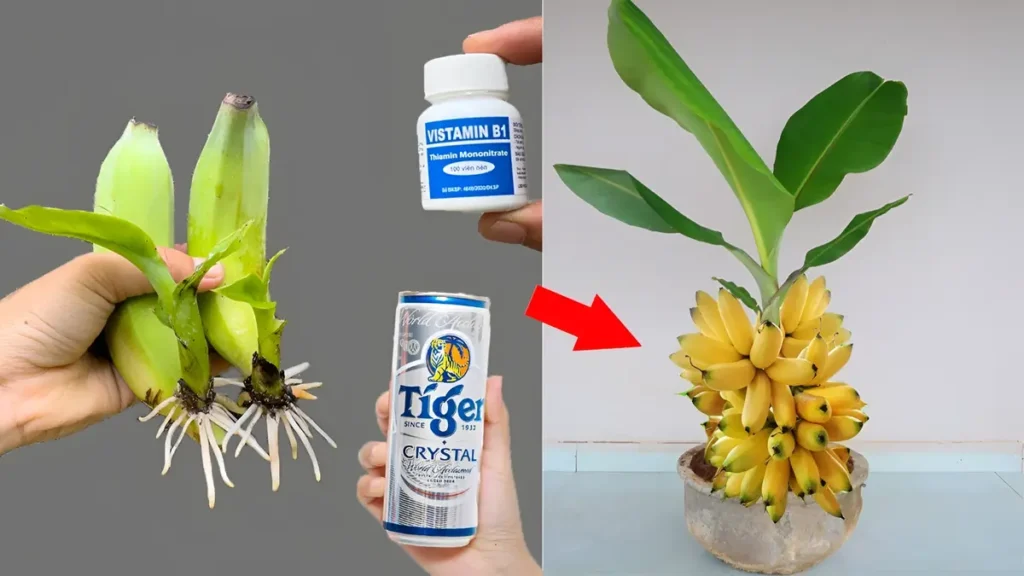
2026 Banana Farming Guide: Banana farming in 2026 is no longer limited to traditional planting and routine fertilizer use. Modern growers are focusing on precision agriculture, soil biology, and advanced sucker management to achieve record-breaking yields. With rising demand for residue-free, organically grown bananas in both domestic and export markets, farmers who adapt smart cultivation techniques are seeing stronger profits and healthier crops. From faster root establishment to jumbo fruit production, this complete guide explores practical, field-tested methods to maximize banana productivity in a sustainable way.
High Performance Variety Matters
Choosing the right banana variety determines the entire direction of your farm’s success. Modern tissue culture plants are preferred because they provide uniform growth, disease resistance, and predictable yields. Varieties suited to local climate conditions perform significantly better than random selections. Farmers should focus on traits like bunch weight potential, resistance to Panama wilt, and market demand. Starting with healthy, certified planting material reduces early-stage crop failure and sets the foundation for consistent, high-yield production.
Soil Preparation For Explosive Growth
Healthy soil is the backbone of jumbo banana production. Deep ploughing improves aeration and root penetration. Incorporating well-decomposed farmyard manure, compost, and beneficial microbes enhances soil fertility and microbial activity. Maintaining a slightly acidic to neutral pH helps optimal nutrient absorption. Raised beds or well-drained fields prevent waterlogging, which is one of the main causes of root damage. Proper land preparation before planting significantly boosts early root establishment and overall plant vigor.
Precision Sucker Selection Formula
Effective sucker management directly influences yield size and fruit quality. Each mother plant should ideally maintain one strong follower sucker positioned at the right distance. Removing excess suckers early prevents nutrient competition and ensures uniform bunch development. Sword suckers with narrow leaves are preferred over water suckers because they grow stronger and produce better yields. Scheduled desuckering every month keeps the plantation clean and allows plants to channel energy toward fruit formation rather than unnecessary vegetative growth.
Turbocharge Root Development Naturally
Fast root growth ensures strong anchorage and higher nutrient uptake. Organic root stimulants such as seaweed extract, humic acid, and biofertilizers enhance root branching. Mycorrhizal fungi improve phosphorus absorption and strengthen plant resilience. Proper irrigation scheduling encourages deep root expansion rather than shallow root growth. Avoiding excessive chemical fertilizers prevents root burn and microbial imbalance. Strong root systems support heavier bunches, reduce lodging risk, and increase drought tolerance.
Balanced Nutrition For Jumbo Fruits
Banana plants require a well-planned nutrient schedule for maximum yield. Nitrogen promotes leafy growth, phosphorus strengthens roots, and potassium plays a crucial role in fruit filling. Organic inputs such as vermicompost, neem cake, and green manure improve soil structure while supplying essential nutrients gradually. Micronutrients like zinc, magnesium, and boron enhance flowering and fruit uniformity. Split fertilizer applications at different growth stages ensure plants receive nutrients precisely when they need them most.
Smart Irrigation Boost Strategy
Water management is critical in banana farming. Drip irrigation systems provide controlled and uniform moisture levels, preventing both drought stress and waterlogging. Mulching with organic residues conserves moisture and reduces weed growth. Monitoring soil moisture with simple tools or sensors improves irrigation efficiency. Adequate watering during flowering and fruit development stages ensures larger fruit size and better sweetness. Consistent irrigation scheduling directly impacts final bunch weight and overall productivity.
Organic Pest Defense Shield
Integrated pest management protects crops while maintaining ecological balance. Banana weevils, nematodes, and aphids are common threats. Field sanitation, removal of infected leaves, and crop rotation reduce pest pressure. Neem-based sprays and biological control agents effectively manage infestations without chemical residue. Encouraging natural predators within the farm ecosystem strengthens plant protection. Healthy soil biology also contributes to stronger plant immunity against diseases and pests.
Bunch Care For Premium Quality
Proper care during the flowering and fruiting stage determines fruit size and appearance. Propping plants with bamboo or support poles prevents lodging under heavy bunch weight. Removing the male bud after fruit set improves nutrient allocation toward developing bananas. Bunch covering with breathable sleeves protects fruit from sunburn, insects, and dust. Timely de-leafing improves light penetration and air circulation, enhancing fruit quality and uniformity.
Harvest Timing For Maximum Returns
Harvesting at the correct maturity stage ensures optimal sweetness and shelf life. Fruits should be harvested when fingers are well-rounded and fully filled but still green. Delayed harvesting may reduce storage life and increase damage risk. Gentle handling during cutting and transportation prevents bruising. Sorting and grading bananas based on size and quality improves market price. Clean packaging and proper ripening techniques help farmers access premium retail markets.
Sustainable Soil Health Blueprint
Long-term success in banana farming depends on maintaining soil fertility. Regular soil testing identifies nutrient deficiencies early. Incorporating organic matter improves soil structure and microbial diversity. Avoiding excessive chemical inputs prevents soil degradation and salinity buildup. Cover crops between banana rows enhance nitrogen fixation and reduce erosion. Sustainable soil management ensures consistent productivity season after season without harming the environment.
Climate Resilience Farming Approach
Climate change has introduced unpredictable rainfall patterns and temperature fluctuations. Selecting resilient varieties and implementing efficient drainage systems reduce climate-related losses. Windbreak plantations protect banana plants from storm damage. Mulching regulates soil temperature and moisture. Precision nutrient and irrigation management improves plant tolerance against heat stress. Adopting climate-smart farming practices safeguards yield stability even under challenging environmental conditions.
Final Word: 2026 Banana Farming Guide
Banana farming in 2026 is built on science, sustainability, and smart management. From selecting superior varieties and optimizing sucker control to strengthening roots and adopting organic nutrition strategies, every step plays a crucial role in maximizing yield. Farmers who focus on soil health, precision irrigation, and eco-friendly pest control can consistently produce jumbo, high-quality bananas. With the right planning and dedication, banana cultivation can become a highly profitable and sustainable agricultural venture for years to come.
