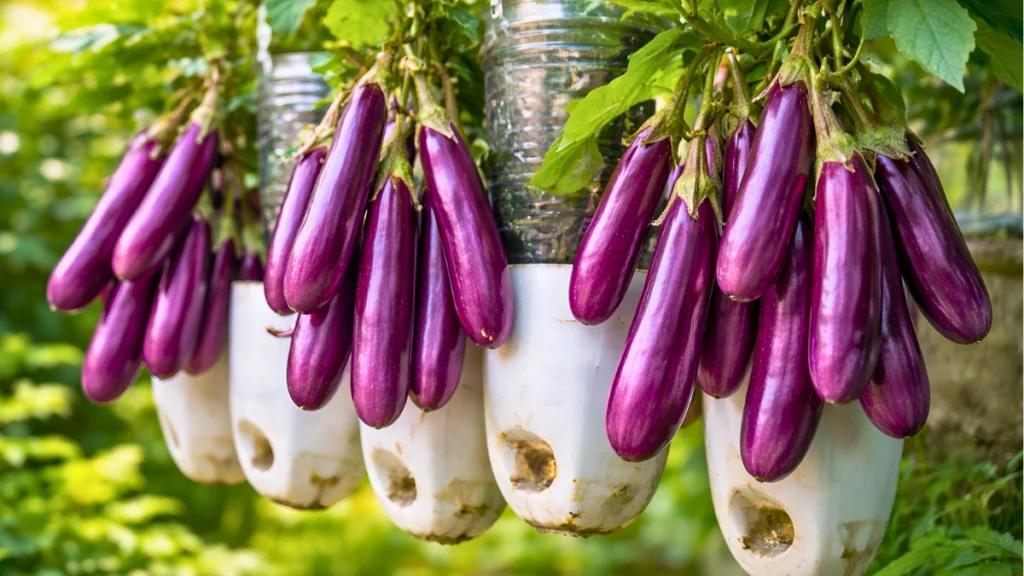
2026 Eggplant Growing Secrets: Container gardening is transforming how people grow vegetables in 2026, and eggplant is leading the trend. Brinjal plants adapt surprisingly well to pots, making them perfect for balconies, terraces, rooftops, and even sunny windows. With the right strategy, a single container-grown plant can deliver a steady supply of glossy, flavorful fruits throughout the season. The real secret lies in understanding root space, soil vitality, sunlight exposure, and consistent feeding. When each stage is handled correctly, eggplant plants reward you with strong growth and impressively heavy fruiting.
Pick High Yield Power Varieties
The foundation of heavy fruiting begins with choosing the right variety. Not all eggplants perform equally in containers. Compact hybrids, patio-friendly cultivars, and dwarf brinjal types are ideal because they focus energy on fruit production instead of excessive foliage. Look for varieties known for early maturity and strong disease resistance. Round purple brinjals, long slender types, and striped varieties can all grow successfully in pots if they are bred for small spaces. Strong genetics directly influence yield, fruit size, and plant vigor.
Start Seeds With Warmth Boost
Eggplant seeds require warmth to germinate successfully. Use a light, airy seed-starting mix instead of dense garden soil. Maintain temperatures between 24 to 30 degrees Celsius for quick sprouting. Cover trays lightly to retain humidity until seedlings emerge. Provide bright indirect light once they sprout to prevent weak, leggy growth. Healthy seedlings should develop thick stems and deep green leaves before transplanting. Giving seedlings the right start ensures they establish quickly once moved into containers.
Upgrade To Deep Root Containers
Eggplants develop strong root systems, so shallow pots limit production. Choose containers at least 14 to 16 inches deep and equally wide. Larger pots support stronger root expansion, better nutrient absorption, and improved stability when fruits become heavy. Ensure excellent drainage by adding coarse material like small stones at the base. Fabric grow bags are highly effective because they allow airflow to roots, preventing overheating and root rot during hot summer months.
Build Living Nutrient Rich Soil
Heavy fruiting requires nutrient-dense soil. Prepare a premium potting mix using garden soil, well-decomposed compost, coco peat, and a small portion of sand for drainage. Add organic matter such as vermicompost and aged manure to enhance fertility. Mixing in neem cake powder helps protect roots from soil pests naturally. The soil should remain loose and well-aerated to allow roots to breathe. Rich, living soil promotes stronger flowering and consistent fruit formation throughout the season.
Sunlight Fuels Fruit Explosion
Eggplants demand full sunlight for optimal fruiting. Position containers where they receive at least seven to eight hours of direct sunlight daily. Insufficient sunlight leads to weak stems, delayed flowering, and smaller fruits. Rotate containers occasionally to ensure even growth. During extreme heat waves, temporary afternoon shade prevents leaf scorching while maintaining enough light for healthy development. Sunlight acts as the primary energy source that drives flowering and fruit production.
Master Water Balance Precision
Consistent watering is critical for preventing stress in brinjal plants. Containers dry out faster than ground soil, especially during peak summer. Water deeply whenever the top inch of soil feels dry. Avoid frequent shallow watering because it encourages weak surface roots. Overwatering must also be avoided as it causes root rot and fungal diseases. Applying a layer of organic mulch such as straw or dried leaves helps maintain soil moisture and stabilizes temperature.
Feed Plants For Massive Yield
Eggplants are heavy feeders, especially once flowering begins. Apply organic liquid fertilizer every 10 to 14 days during the growing season. Compost tea, seaweed extract, or balanced vegetable fertilizer works well. When buds start forming, shift to a fertilizer higher in phosphorus and potassium to encourage fruit development. Avoid excessive nitrogen, which promotes leafy growth at the expense of fruiting. Regular feeding ensures continuous flowering and supports larger, healthier brinjals.
Prune Smart For Strong Growth
Strategic pruning increases airflow and directs plant energy toward fruit production. Remove lower yellowing leaves and weak side shoots. Pinching the top growing tip after the plant reaches about one foot in height encourages branching, resulting in more flowering sites. Supporting the plant with stakes prevents bending or breakage when fruits become heavy. Pruning also reduces the risk of fungal diseases by improving ventilation around stems and leaves.
Boost Pollination For More Fruits
In urban container gardens, natural pollinators may be limited. Gently shaking plants during flowering helps distribute pollen naturally. You can also use a soft brush to transfer pollen between flowers to improve fruit set. Healthy pollination leads to uniform, well-shaped brinjals. Avoid spraying chemicals during flowering to protect beneficial insects. Encouraging pollination directly impacts the quantity and quality of harvest.
Protect Plants From Hidden Threats
Common pests such as aphids, spider mites, and whiteflies can attack eggplants grown in containers. Inspect leaves regularly, especially underneath. Neem oil spray or insecticidal soap helps control infestations organically. Maintaining healthy soil and proper spacing reduces vulnerability to disease. Avoid overcrowding containers, as poor airflow increases fungal risks. Early prevention is always more effective than treatment after infestation spreads.
Harvest At Peak Perfection
Eggplants should be harvested when fruits appear glossy and firm. Dull skin indicates overripeness, which can lead to bitter taste and hard seeds. Use clean pruning shears to cut fruits without damaging the plant. Regular harvesting encourages the plant to produce new flowers and extend the fruiting period. With proper care, container-grown eggplants can continue producing for several months, delivering multiple harvest cycles.
Final Word: 2026 Eggplant Growing Secrets
Growing eggplant in containers successfully in 2026 requires attention to detail at every stage. From selecting productive varieties and preparing nutrient-rich soil to mastering watering and feeding schedules, each step contributes to heavy fruiting. Container gardening offers flexibility, space efficiency, and complete control over growing conditions. When done correctly, even a small balcony can produce abundant, healthy brinjals. With patience, smart techniques, and consistent care, your container eggplant plants can thrive and deliver an impressive harvest season after season.
