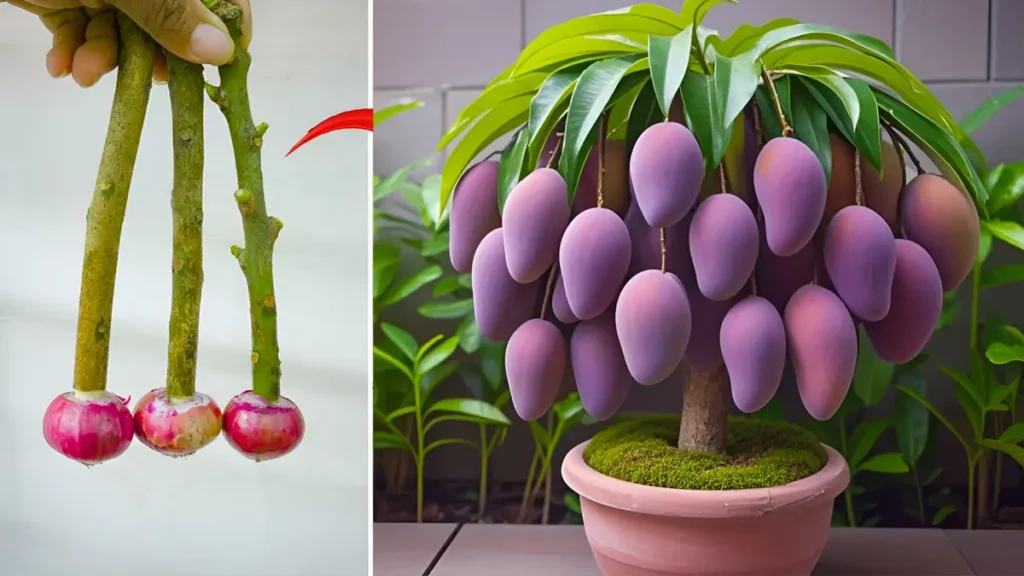
2026 Organic Mango Farming Guide: Mango cultivation is entering a new phase in 2026 as more farmers shift toward organic production systems that protect soil health while delivering premium quality fruit. Rising demand for chemical-free mangoes in domestic and export markets has encouraged growers to explore natural growth boosters that enhance productivity without harming the ecosystem. Among these innovations, the aloe vera gel technique is gaining popularity for its ability to stimulate rapid root growth and improve plant establishment in young mango orchards.
Healthy root systems determine the future strength, flowering capacity, and fruit yield of mango trees. When saplings develop deeper and denser roots early, they absorb nutrients efficiently, withstand climate stress, and maintain consistent productivity. Aloe vera gel, packed with natural growth compounds and protective enzymes, offers a powerful organic solution for farmers who want higher survival rates and maximum yield without synthetic inputs.
Aloe Gel Unlocks Root Energy
Aloe vera gel contains natural plant hormones such as auxins and gibberellins that promote root initiation. When mango grafts or saplings are treated with freshly extracted aloe gel before planting, the bioactive compounds stimulate faster cell division in root tissues. This accelerates the formation of new feeder roots, which are essential for nutrient and moisture uptake. The gel also creates a protective coating around roots, reducing transplant shock and improving early establishment in organic orchards.
Strong Roots Build Strong Trees
A mango tree’s long-term performance depends heavily on its early root development. Saplings with weak roots struggle to adapt to soil conditions and often show slow growth. Aloe-treated plants, however, establish more quickly and show visible improvement in leaf development within weeks. Strong roots anchor the tree firmly, improve drought tolerance, and enhance nutrient absorption efficiency. This foundation directly influences canopy growth, flowering intensity, and overall fruit yield in later years.
Preparing Natural Aloe Solution
The preparation process is simple and cost-effective for farmers. Fresh, mature aloe leaves are cleaned thoroughly to remove dust and impurities. The outer skin is peeled, and the inner gel is blended into a smooth liquid. This gel can be diluted slightly with clean water for easy application. Mango graft roots are dipped into the solution for ten to fifteen minutes before planting. This ensures maximum contact between the gel and root surface for better absorption.
Organic Soil Makes The Difference
While aloe gel boosts root growth, soil quality determines long-term productivity. Organic mango farming requires well-drained loamy soil enriched with compost and natural amendments. Adding farmyard manure, vermicompost, neem cake, and biofertilizers improves microbial activity in the soil. Beneficial microbes break down nutrients into absorbable forms, supporting continuous tree growth. Mulching with organic residues conserves moisture and regulates soil temperature, creating an ideal environment for expanding root systems.
Climate Smart Orchard Planning
Modern organic mango farming focuses on climate resilience. Selecting region-specific mango varieties suitable for local temperature and rainfall conditions reduces crop risk. Proper spacing between plants ensures adequate sunlight and airflow, preventing fungal infections. Aloe-treated saplings adapt more efficiently during temperature fluctuations. Integrating windbreak trees and maintaining orchard biodiversity further enhances ecological balance. Climate-smart planning combined with natural rooting techniques ensures stable production even under unpredictable weather patterns.
Water Management Drives Growth
Efficient irrigation is essential for sustaining healthy root systems. Drip irrigation is widely recommended in organic orchards because it supplies water directly to the root zone without wastage. Overwatering can cause root rot, while insufficient irrigation slows root expansion. After aloe treatment, maintaining consistent but moderate soil moisture encourages steady growth. Installing proper drainage systems prevents water stagnation during heavy rainfall, safeguarding the delicate feeder roots from damage.
Natural Pest Defense Strategy
Organic mango orchards require proactive pest management without chemical pesticides. Neem oil sprays, botanical extracts, and bio-control agents help manage common pests such as hoppers, fruit flies, and mealybugs. Trees with robust root systems naturally show better resistance against diseases and stress. Aloe gel’s mild anti-fungal properties further protect young roots from soil-borne infections. Regular orchard sanitation, pruning, and crop monitoring strengthen the farm’s integrated pest management system.
Nutrient Boost For Heavy Yield
To achieve maximum yield, balanced organic nutrition is essential during flowering and fruit development stages. Liquid organic fertilizers, compost tea, and bio-stimulants enhance nutrient availability. Micronutrients such as zinc and boron play a crucial role in improving fruit set and reducing drop. Aloe-treated trees with efficient root networks absorb these nutrients more effectively, resulting in larger fruit size, improved sweetness, and enhanced shelf life. Proper nutrient timing significantly influences overall orchard profitability.
Improving Flowering And Fruit Set
Uniform flowering is a key factor in achieving consistent mango production. Healthy roots support balanced vegetative growth, which influences flowering cycles. Stress-free trees tend to produce more synchronized blooms, improving pollination success. Organic foliar sprays prepared from seaweed extract and fermented plant solutions further encourage better fruit retention. When combined with strong root systems developed through aloe treatment, these practices help reduce fruit drop and increase total harvest weight per tree.
Sustainable Profit For Farmers
Organic mango farming supported by natural rooting techniques offers long-term economic benefits. Reduced dependence on chemical fertilizers lowers production costs over time. Premium pricing for residue-free mangoes increases profit margins. Healthy orchards with strong root systems require fewer corrective treatments, minimizing labor and input expenses. Farmers adopting aloe-based organic methods position themselves competitively in growing health-conscious markets while protecting soil fertility for future generations.
Post Harvest Quality Matters
High yield alone does not guarantee profitability. Proper harvesting at the correct maturity stage ensures optimal flavor and market acceptance. Organic mangoes must be handled carefully to avoid bruising and quality loss. Natural ripening techniques and hygienic packaging maintain fruit freshness. Trees developed through healthy organic practices often produce fruits with better aroma, color, and shelf stability, strengthening brand trust among consumers and buyers.
Final Word: 2026 Organic Mango Farming Guide
Organic mango farming in 2026 represents a balance between innovation and sustainability. The aloe gel technique stands out as a practical, low-cost, and highly effective method for promoting quick root growth and strengthening young mango plants. When integrated with nutrient-rich soil management, climate-smart planning, efficient irrigation, and organic pest control, it creates a powerful system for maximum yield and long-term orchard success. Farmers who invest in natural solutions today are building resilient, profitable mango farms for tomorrow.
