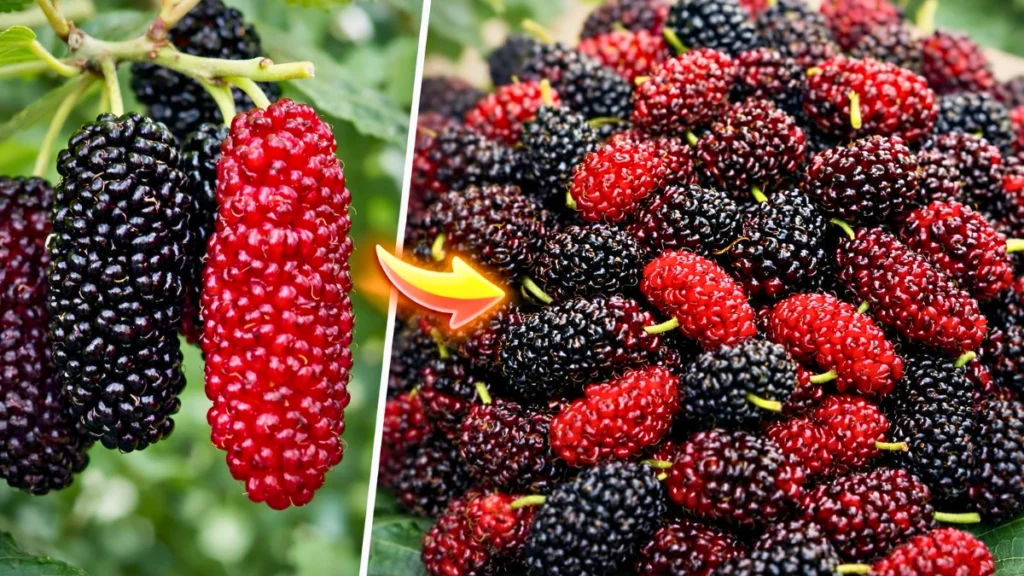
2026 Shahtoot Growing Secrets: Mulberry, popularly known as Shahtoot, is quickly becoming a favorite fruit plant for home gardeners who want faster harvests and sweeter results. With rising interest in organic gardening and backyard fruit production in 2026, more people are planting mulberry trees for their low maintenance nature and high nutritional value. However, getting bigger, juicier berries requires more than just planting a sapling and waiting. Smart techniques, timely care, and the right growing strategy can dramatically increase fruit size, sweetness, and overall yield.
Below is a completely fresh, detailed, and practical guide to growing Shahtoot successfully and encouraging faster fruiting in your garden.
Pick High Yielding Early Varieties
Choosing the correct variety determines how quickly your mulberry tree begins fruiting. Grafted mulberry plants typically produce fruit within one to two years, while seed grown plants may take much longer. Look for early bearing hybrid varieties that are known for larger berries and improved sweetness.
Dwarf mulberry types are ideal for terrace gardens and containers, while traditional varieties are better suited for open ground. Always inspect the plant before purchase. Healthy roots, disease free leaves, and a strong central stem indicate a vigorous plant that will establish quickly and fruit earlier.
Full Sun Means Sweeter Fruit
Sunlight directly impacts sugar development in mulberry fruits. Shahtoot trees require at least six to eight hours of direct sunlight daily to produce bigger and sweeter berries. Insufficient sunlight leads to smaller fruit and reduced sweetness.
Choose a planting location where the tree receives uninterrupted sunlight throughout the day. South facing areas generally provide the best exposure. Avoid planting near tall walls or buildings that cast long shadows. Strong sunlight also reduces fungal issues and improves overall plant vigor.
Build Powerful Root Foundation
Healthy roots are the backbone of fast fruiting. Mulberry plants grow best in well drained, slightly loamy soil enriched with organic matter. Before planting, mix compost, well decomposed cow manure, and garden soil in equal proportions.
Ensure proper drainage because waterlogged soil can cause root rot and slow down growth. Adding a small amount of sand improves aeration. A strong root system absorbs nutrients efficiently, leading to rapid branch growth and earlier flower formation.
Smart Watering For Fast Growth
Water management plays a crucial role in fruit quality. Young mulberry plants require regular watering to establish roots, especially during the first year. However, overwatering can damage roots and reduce fruit sweetness.
Water deeply but less frequently once the plant matures. Allow the topsoil to dry slightly between watering sessions. During flowering and fruit formation, consistent moisture helps berries grow larger. Reduce watering slightly before harvest to enhance sweetness and flavor concentration.
Strategic Pruning For Heavy Harvest
Pruning is one of the most powerful techniques to increase mulberry yield. Regular pruning encourages new shoots, and mulberries typically bear fruit on new growth. Remove weak, overcrowded, and crossing branches during late winter or early spring.
Shaping the tree improves sunlight penetration and air circulation. This reduces pest problems and supports better fruit development. For dwarf plants in pots, trimming after harvest maintains size and stimulates fresh growth for the next fruiting cycle.
Feed With Balanced Nutrition
Fertilizing correctly ensures bigger and sweeter berries. During early growth, apply a balanced organic fertilizer rich in nitrogen to promote leafy growth. As flowering begins, shift to fertilizers higher in phosphorus and potassium.
Organic options like vermicompost, bone meal, and banana peel compost improve fruit size naturally. Avoid excessive nitrogen during fruiting because it encourages leaves instead of fruit. Feeding every two to three months during the growing season keeps the plant productive and healthy.
Boost Sweetness Naturally
Several simple techniques can enhance mulberry sweetness. Proper sunlight exposure is the first step. Second, avoid overwatering close to harvest time. Third, add wood ash in small quantities around the base of the tree to improve potassium levels naturally.
Harvest fruits only when fully ripe. Mulberries do not continue ripening after picking, so allowing them to mature completely on the tree ensures maximum sugar development. Ripe berries are soft, deeply colored, and easily detach from the stem.
Protect From Common Pests
Birds, fruit flies, and caterpillars are common threats to mulberry crops. Installing bird netting during fruiting season prevents heavy losses. Neem oil spray works effectively against small insects without harming beneficial organisms.
Maintaining garden cleanliness reduces pest attraction. Remove fallen fruits promptly to prevent fruit fly infestation. Healthy, well pruned trees are naturally more resistant to pests and diseases, resulting in higher quality harvests.
Grow Mulberry In Containers
Urban gardeners can successfully grow Shahtoot in large containers. Choose a pot at least eighteen to twenty inches deep with proper drainage holes. Use nutrient rich soil mix and ensure regular feeding.
Container grown mulberries need slightly more frequent watering but must not remain soggy. Pruning becomes even more important in pots to maintain manageable size. With proper care, even terrace grown mulberry plants can produce surprisingly heavy yields.
Encourage Early Flowering
To promote faster flowering, avoid excessive nitrogen after the first year. Stress control techniques such as slight reduction in watering before spring can encourage the plant to shift energy toward flowering.
Applying organic phosphorus rich fertilizer before the flowering season also stimulates bud formation. Mulberry trees respond well to consistent seasonal care, and once established, they reward gardeners with reliable annual fruiting.
Harvest At Peak Perfection
Mulberries ripen over several weeks, so harvesting should be done regularly. Gently shake branches over a clean cloth to collect ripe fruits. Handle berries carefully as they are delicate and bruise easily.
Freshly harvested mulberries can be eaten raw, used in jams, smoothies, or dried for later use. Regular harvesting encourages the plant to continue producing more fruit during the season.
Final Word: 2026 Shahtoot Growing Secrets
Growing mulberry successfully in 2026 is about combining smart variety selection, strong root care, proper sunlight, strategic pruning, and balanced nutrition. Shahtoot is naturally hardy and forgiving, but the difference between average and exceptional harvest lies in consistent attention and timely care.
With the right techniques, your mulberry tree can begin fruiting early, produce larger berries, and deliver sweeter harvests season after season. Whether planted in open soil or grown in a terrace container, Shahtoot remains one of the most rewarding fruit plants for home gardeners seeking both flavor and abundance.
