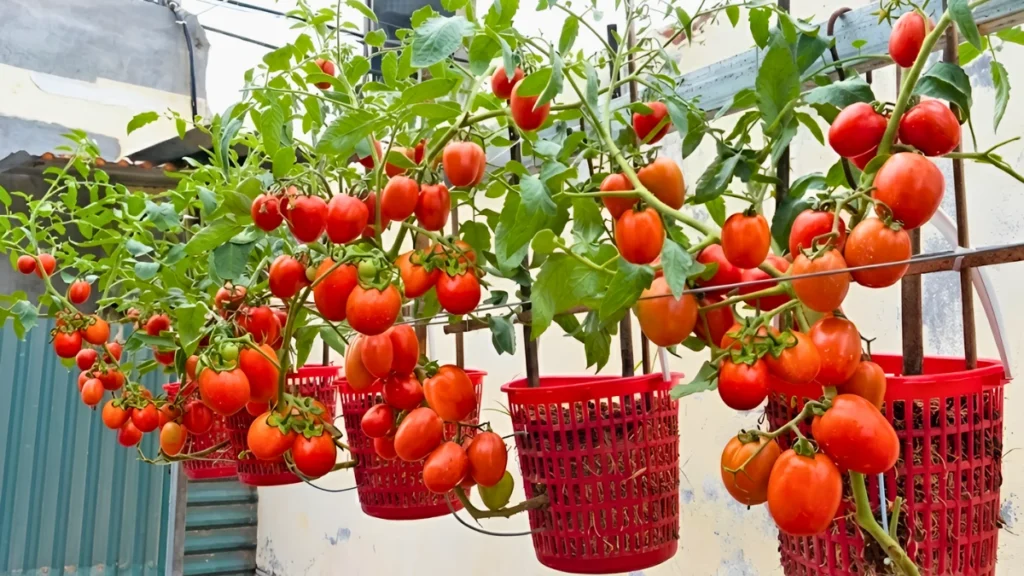
2026 Smart Garden Trend: The way people grow food at home is changing fast. In 2026, smart gardening is no longer just about automated watering systems or mobile apps. It is about rethinking how plants grow in limited space while increasing productivity naturally. One of the most talked-about innovations this year is the upside down tomato planter. This simple yet clever method is helping home gardeners achieve higher yields, reduce pest problems, and make better use of vertical space. From compact city balconies to suburban patios, this trend is reshaping modern kitchen gardening in a practical and efficient way.
Skyward Roots Big Harvest Energy
Upside down tomato planters completely change how the plant develops. Instead of growing upright from the soil, the tomato plant hangs downward while the roots remain secured in a suspended container above. Gravity encourages the stems to grow straight without bending or crowding. This natural downward growth often results in stronger stems and better fruit positioning. The plant focuses its energy on producing flowers and fruit rather than supporting heavy vertical growth, which can translate into an impressive harvest per plant.
Zero Ground Contact Zero Pests
One of the most powerful advantages of this method is protection from soil-based pests. Traditional tomato plants are vulnerable to slugs, snails, ants, and crawling insects that attack fruit resting near the ground. With an upside down planter, tomatoes hang freely in the air, far from soil-level threats. This drastically reduces fruit rot and pest damage. Gardeners often find they can grow tomatoes without relying heavily on chemical sprays, making the process safer for families and pets.
Vertical Gardening For Urban Homes
Urban gardening has exploded in popularity, and space limitations are a common challenge. Upside down tomato planters are ideal for balconies, terraces, small backyards, and even sunny indoor corners. By utilizing vertical space, homeowners can grow more plants without crowding the ground. Hanging planters can be attached to sturdy beams, pergolas, or wall brackets. This allows apartment dwellers to enjoy fresh tomatoes without requiring a traditional garden bed, making homegrown produce accessible to more people than ever before.
Better Airflow Healthier Plants
Air circulation plays a critical role in tomato plant health. In ground gardens, dense foliage and soil moisture can trap humidity, increasing the risk of fungal diseases. Hanging planters naturally improve airflow around the leaves and fruit. This reduces moisture buildup and lowers the chance of common tomato problems like blight. With fewer disease issues, plants remain productive for a longer period during the growing season, contributing to higher overall yield and healthier harvests.
Soil Mix Makes The Difference
Success with upside down gardening starts with the right growing medium. Since the plant relies entirely on the soil inside the container, a high-quality potting mix is essential. A lightweight, nutrient-rich blend with good drainage works best. Many gardeners add compost or slow-release organic fertilizer to ensure steady feeding throughout the season. Because containers can dry out faster than ground soil, moisture-retaining components like coco coir help maintain balanced hydration and support consistent fruit production.
Water Smart Grow Strong
Proper watering technique is crucial in this system. Hanging containers may dry more quickly, especially in hot climates. Installing a drip irrigation line or using self-watering upside down planters can make maintenance easier. Water should be applied evenly to prevent dry pockets in the root zone. Consistent moisture helps prevent blossom end rot, a common issue in tomatoes. With balanced watering, plants remain stress-free and continue producing vibrant, juicy fruit throughout the season.
Choose Compact Productive Varieties
Not every tomato variety performs well in a hanging planter. Compact, determinate, or bush-type tomatoes are usually the best choice. Cherry tomatoes and smaller hybrids are especially popular because their lighter fruit clusters reduce strain on the plant. These varieties often produce abundant harvests in limited space. Selecting the right plant type is a key step in maximizing results and ensuring that the upside down system works efficiently.
Strong Support Secure Setup
A fully watered upside down planter can become quite heavy. Secure installation is essential for safety and plant health. Sturdy metal hooks, reinforced beams, or strong railing mounts provide reliable support. The container should be positioned where it receives at least six to eight hours of sunlight daily. Proper placement ensures even growth and consistent fruit development. Taking time to secure the setup correctly prevents accidents and protects your investment in the garden.
Cleaner Harvest Less Mess
Tomatoes grown upside down are typically cleaner at harvest time. Since the fruit never touches the ground, there is less dirt and debris on the skin. This not only improves visual appeal but also reduces cleaning time before cooking. The hanging position makes picking easier as well. Gardeners can simply reach up and harvest ripe tomatoes without bending down or searching through dense foliage. This convenience is especially appreciated by older gardeners or those with limited mobility.
Stylish Modern Garden Appeal
Beyond practicality, upside down tomato planters add visual interest to outdoor spaces. Cascading green vines with clusters of red tomatoes create a striking display. Many 2026 planter designs focus on aesthetics, offering sleek shapes and durable materials that blend with modern home décor. The combination of function and style turns a simple vegetable plant into a decorative feature. This fusion of design and productivity makes the trend attractive to both experienced gardeners and beginners.
Eco Friendly Future Farming
Sustainability remains a strong driving force in modern gardening. Upside down systems encourage chemical-free growing and reduce soil contamination risks. Many planters are reusable and made from recycled materials. Because plants are protected from ground pests and certain diseases, the need for synthetic treatments is lower. Growing food at home also reduces dependence on store-bought produce, cutting down transportation impact and supporting a more environmentally responsible lifestyle.
Simple Start For Beginners
One of the reasons this trend continues to grow is its accessibility. Beginners do not need advanced gardening skills to succeed. With a healthy seedling, quality potting mix, and secure hanging point, most people can set up their planter quickly. Clear care routines and manageable maintenance make the process enjoyable rather than overwhelming. The visible growth of hanging vines often motivates new gardeners to explore additional crops and expand their home garden.
Final Word: 2026 Smart Garden Trend
The upside down tomato planter represents more than a gardening experiment. It reflects a shift toward smarter, space-efficient, and sustainable food production at home. By protecting plants from ground pests, improving airflow, and maximizing vertical space, this system delivers high yield potential with minimal complications. In 2026, as more households seek practical ways to grow fresh food, the upside down tomato planter stands out as a reliable and innovative solution that combines productivity, convenience, and modern design in one powerful gardening trend.
