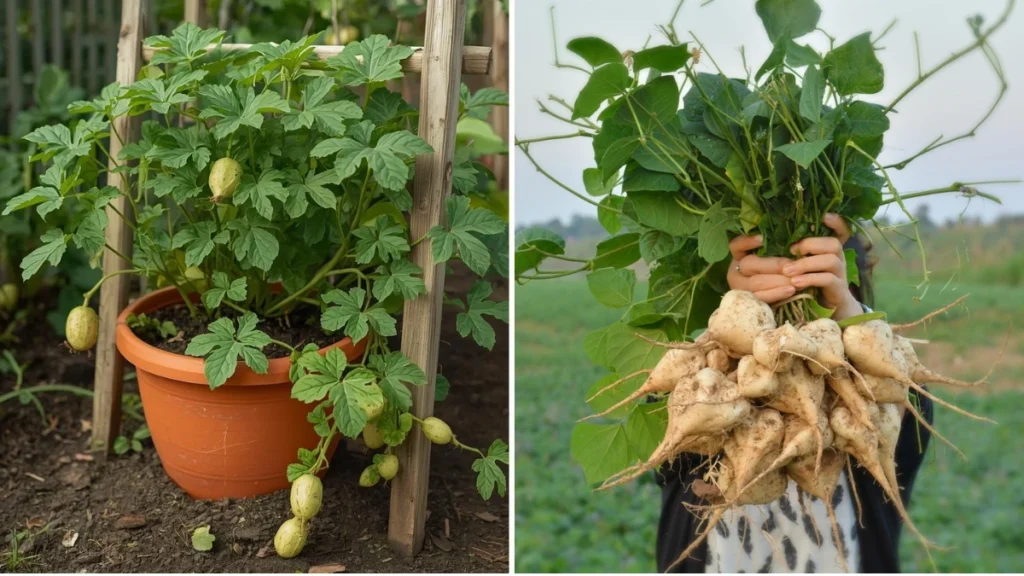
Backyard Jicama Success 2026: Backyard gardening in 2026 is no longer just about tomatoes and peppers. Home growers are exploring high-value crops that offer strong yields, long storage life, and exciting flavor. Jicama is quickly becoming one of the most talked-about backyard vegetables for serious gardeners. Its crisp texture, refreshing sweetness, and impressive tuber size make it a rewarding addition to any warm-season garden. When grown correctly, a single plant can produce large, market-quality roots that elevate salads, snacks, and homemade dishes. Success depends on timing, soil preparation, pruning, and patience. If you are ready to grow bigger and better tubers this year, these updated techniques will help you achieve outstanding results.
Warm Season Powerhouse Crop
Jicama thrives in heat and long growing seasons. Unlike many root vegetables that prefer cooler conditions, jicama performs best when daytime temperatures stay consistently warm. This makes it ideal for regions with extended summers. In cooler areas, starting seeds indoors and transplanting after frost danger passes can extend the growing window. The key is ensuring at least five to seven frost-free months. Warm conditions stimulate steady vine growth, which directly influences the size of the underground tubers.
Deep Soil Makes Giants
Large jicama roots require deep, loose, well-aerated soil. Compact or shallow soil restricts expansion and leads to smaller, misshapen tubers. Preparing the planting area at least twelve inches deep allows roots to develop without resistance. Mixing compost into the soil improves structure and drainage while supplying slow-release nutrients. Sandy loam soil works particularly well because it drains efficiently yet retains enough moisture for steady growth. Proper soil preparation is one of the most important steps for producing oversized tubers.
Smart Seed Starting Strategy
Direct sowing works in warm climates, but starting seeds indoors gives gardeners a head start in regions with shorter summers. Use biodegradable pots to avoid disturbing the roots during transplanting. Germination usually occurs within one to two weeks when soil temperatures remain warm. Once seedlings develop strong stems and several leaves, transplant them carefully into prepared beds. Spacing plants about twelve inches apart ensures proper airflow and allows each vine to expand without competition.
Encourage Strong Vine Growth
Healthy vines are essential for building large tubers. Jicama plants produce long, climbing stems that benefit from vertical support. Installing a trellis improves sunlight exposure and reduces disease risk by enhancing airflow. When vines receive adequate sunlight, they produce more energy through photosynthesis. That energy is stored in the developing tubers underground. Removing weeds regularly prevents nutrient competition and keeps the plants vigorous throughout the growing season.
Watering With Purpose Matters
Jicama requires consistent moisture but dislikes soggy soil. Deep watering encourages strong root penetration and supports tuber enlargement. Water thoroughly once or twice per week rather than applying shallow daily watering. Mulching around the base helps maintain soil moisture and regulate temperature. During extreme heat, monitor plants closely to prevent drought stress, which can limit tuber size. Balanced moisture levels help maintain the crisp texture and mild sweetness that make jicama so appealing.
Flower Removal Boosts Yield
One of the most effective ways to grow larger tubers is removing flowers as soon as they appear. Although the blooms are attractive, allowing them to mature into seed pods diverts energy away from root development. By trimming flowers early, the plant redirects its resources toward building bigger underground storage roots. This simple pruning technique can significantly increase overall harvest size, especially in backyard gardens where every plant counts.
Balanced Feeding For Flavor
Overfeeding with nitrogen can produce excessive leaf growth at the expense of tuber formation. Instead, focus on balanced nutrition. Compost provides steady nutrients without overwhelming the plant. A mild, balanced organic fertilizer applied midway through the season supports sustained growth. Phosphorus and potassium contribute to strong root development. Avoid heavy chemical fertilizers, as they may lead to rapid top growth but smaller roots. Natural feeding strategies produce better flavor and texture.
Harvest Timing Changes Everything
Patience is critical when growing jicama. Harvesting too early results in smaller, less sweet roots. Most varieties require five to nine months to reach full maturity. Watch for vines turning yellow and naturally declining as a signal that tubers are ready. Carefully dig around the base using a garden fork to avoid damaging the roots. Mature tubers feel firm and heavy. Allowing them to fully develop enhances sweetness and crunch.
Post Harvest Storage Tips
After harvesting, gently brush off soil and allow tubers to dry briefly in a shaded area. Avoid washing until ready to use, as excess moisture during storage can shorten shelf life. Store in a cool, dry location with good airflow. Properly cured jicama can last several weeks without losing texture. Always remove the thick outer skin before eating. The crisp white interior is the edible portion and delivers the signature refreshing bite.
Pest Prevention Without Chemicals
Jicama is relatively low maintenance but can attract common garden pests such as aphids and beetles. Regular inspection allows early intervention. Spraying plants with water can dislodge small infestations. Encouraging beneficial insects like ladybugs helps maintain balance naturally. Healthy soil and strong vines reduce susceptibility to disease. Avoid overwatering, as excess moisture can promote fungal issues. A proactive approach keeps plants productive through the entire growing cycle.
Climate Adaptation Success
Gardeners in regions with shorter summers can still grow jicama successfully with planning. Raised beds warm up faster in spring, giving seedlings an early advantage. Using black plastic mulch increases soil temperature and speeds growth. In extremely hot climates, light afternoon shade prevents excessive stress. Adapting techniques to local conditions ensures consistent results. With thoughtful adjustments, jicama can thrive in diverse backyard environments.
Flavor That Elevates Meals
Homegrown jicama offers a fresher, juicier flavor compared to many store-bought options. Its mild sweetness pairs well with citrus, chili powder, and fresh herbs. Sliced raw, it adds crunch to salads and wraps. It also works beautifully in stir fries or lightly sautéed dishes. Growing your own ensures peak freshness and superior texture. The satisfaction of harvesting large, flawless tubers makes the effort worthwhile.
Final Word: Backyard Jicama Success 2026
Growing jicama in your backyard in 2026 can transform your gardening experience. With deep soil preparation, consistent watering, smart pruning, and patient harvesting, you can produce impressively large and flavorful tubers. This crop rewards careful attention with high yields, long storage life, and versatile culinary uses. By following these updated techniques, your backyard can become a reliable source of crisp, refreshing jicama all season long.
