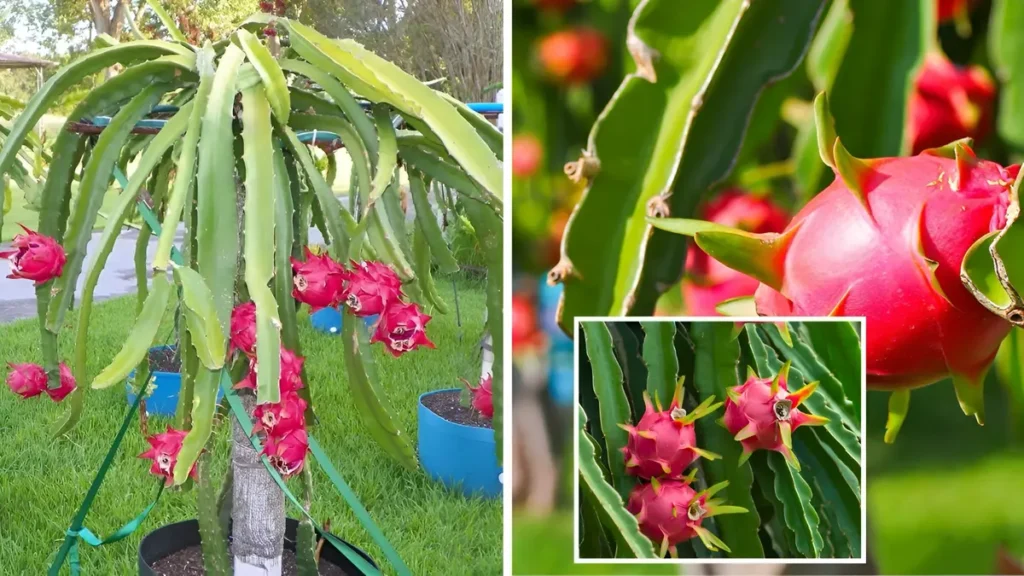
Dragon Fruit Farming 2026 Masterclass: Dragon fruit farming is rapidly transforming from a niche crop into a mainstream opportunity for home growers and small landowners. In 2026, rising demand for exotic, nutrient-rich fruits has made dragon fruit one of the most profitable and low-maintenance options available. Its striking appearance, long production life, and adaptability to warm climates make it ideal for terrace gardens, backyard farms, and small agricultural plots. With the right techniques, you can speed up growth, trigger early fruiting, and significantly boost yields without large investments.
Climate Power Play For Faster Growth
Dragon fruit thrives in warm, humid climates with plenty of sunlight. Temperatures between 20°C and 35°C encourage rapid vegetative growth and healthy flowering. While the plant tolerates mild drought, it performs best in regions with moderate rainfall and good drainage. If grown in slightly cooler areas, positioning plants in full sun and protecting them from frost can dramatically improve survival and productivity. Consistent warmth accelerates stem development and helps the plant establish quickly in its first year.
Strong Foundations Build Big Harvests
Soil preparation is the hidden secret behind higher yields. Dragon fruit prefers well-drained sandy loam enriched with organic matter. Heavy clay soil must be improved with sand and compost to prevent water stagnation. Raised beds are especially useful in areas with high rainfall. Maintaining a soil pH between 5.5 and 7 ensures optimal nutrient absorption. Before planting, mixing farmyard manure and bio-compost into the soil creates a nutrient-rich base that supports early root development.
Choose Cuttings That Produce Early
Starting with healthy planting material can shorten the time to fruiting. Mature stem cuttings taken from productive mother plants root faster and produce flowers earlier than seedlings. Ideal cuttings are thick, green, and free from disease spots. Allowing cuttings to dry for a few days before planting reduces fungal risks. Planting directly in prepared soil with sturdy support structures encourages upward growth and strong branching, both of which are essential for higher fruit production.
Support System That Multiplies Yield
Dragon fruit is a climbing cactus and needs strong vertical support. Concrete poles with circular frames at the top are widely used because they allow branches to hang downward, increasing flowering points. Each pole can support multiple plants, maximizing space efficiency. Proper training and tying of stems prevent breakage during windy conditions. A well-designed support structure not only increases yield but also simplifies harvesting and plant maintenance throughout the growing season.
Water Smart Not Water More
Balanced irrigation is crucial for consistent fruit size and sweetness. Overwatering causes root rot, while underwatering reduces fruit weight. Light but regular watering during flowering and fruiting stages improves fruit quality. During rainy seasons, drainage becomes more important than irrigation. Drip irrigation systems are highly effective for home farms because they deliver precise moisture directly to the roots while conserving water. Controlled watering also minimizes fungal infections and promotes steady growth.
Nutrition Strategy For Heavy Fruiting
Dragon fruit responds well to balanced fertilization. Organic compost improves soil texture and supports microbial activity. During vegetative growth, moderate nitrogen helps stem development. Once flowering begins, increasing phosphorus and potassium enhances fruit formation and sweetness. Micronutrients such as magnesium and calcium prevent fruit cracking and improve skin quality. Applying vermicompost every few months maintains soil fertility naturally and supports long-term productivity without harming beneficial organisms.
Pruning Secrets For More Flowers
Pruning is one of the most powerful tools for boosting yield. Removing weak, diseased, or overcrowded stems allows sunlight and air to reach the productive branches. Fewer but stronger stems lead to better flower formation. After each harvest cycle, trimming excess growth directs plant energy toward new flowering shoots. Maintaining an open canopy also reduces pest pressure and improves overall plant health. Regular pruning keeps plants manageable and consistently productive.
Night Bloom Magic Explained
Dragon fruit flowers bloom at night and are large, fragrant, and short-lived. Successful pollination is critical for fruit development. In some regions, natural pollinators such as moths and bats assist the process. Where pollination rates are low, manual pollination using a soft brush can significantly increase fruit set. Timing is essential, as flowers remain open only for a single night. Paying attention during this stage directly impacts the number and quality of fruits produced.
Protect Plants From Hidden Threats
Although dragon fruit is relatively hardy, pests such as mealybugs, aphids, and ants can occasionally attack. Fungal diseases may appear in overly humid conditions. Preventive care is more effective than treatment. Neem oil sprays, proper sanitation, and good air circulation reduce infestation risks. Avoid excessive nitrogen fertilization, as it attracts pests. Regular inspection ensures early detection and keeps minor issues from turning into serious yield losses.
Harvest Timing Boosts Profits
Fruit maturity usually occurs about a month after flowering. The skin color changes to bright pink or red, and the scales start drying slightly at the tips. Harvesting at peak color ensures maximum sweetness and shelf life. Gentle handling prevents bruising and extends market value. Consistent harvesting encourages the plant to produce new flowers, resulting in multiple fruiting cycles within a single year. Proper post-harvest care further enhances selling potential.
Small Space Big Returns
One of the biggest advantages of dragon fruit farming is its suitability for limited spaces. Even terrace growers using large containers and vertical supports can produce impressive yields. Each mature plant can bear multiple fruits per cycle and continue producing for many years. With rising consumer interest in healthy and exotic fruits, local demand remains strong. Home growers can sell directly to neighbors, local markets, or small retailers, increasing profit margins.
Long Term Farming Advantage
Dragon fruit plants can remain productive for up to two decades when properly maintained. Initial setup costs may include support poles and planting material, but ongoing maintenance expenses are relatively low. Compared to many fruit crops, dragon fruit requires less labor once established. Its long lifespan ensures steady income over the years. Sustainable farming practices, including organic inputs and water-efficient irrigation, further improve profitability and environmental balance.
Final Word: Dragon Fruit Farming 2026 Masterclass
Dragon fruit farming in 2026 represents a powerful opportunity for anyone seeking a high-value crop with manageable care requirements. By focusing on healthy cuttings, proper soil preparation, strong support systems, balanced nutrition, and smart irrigation, growers can accelerate fruiting and maximize yield even at home. With increasing demand and long productive life, dragon fruit stands out as a smart, future-ready farming choice. Start with quality planning, maintain consistent care, and enjoy years of vibrant harvests and rewarding returns.
