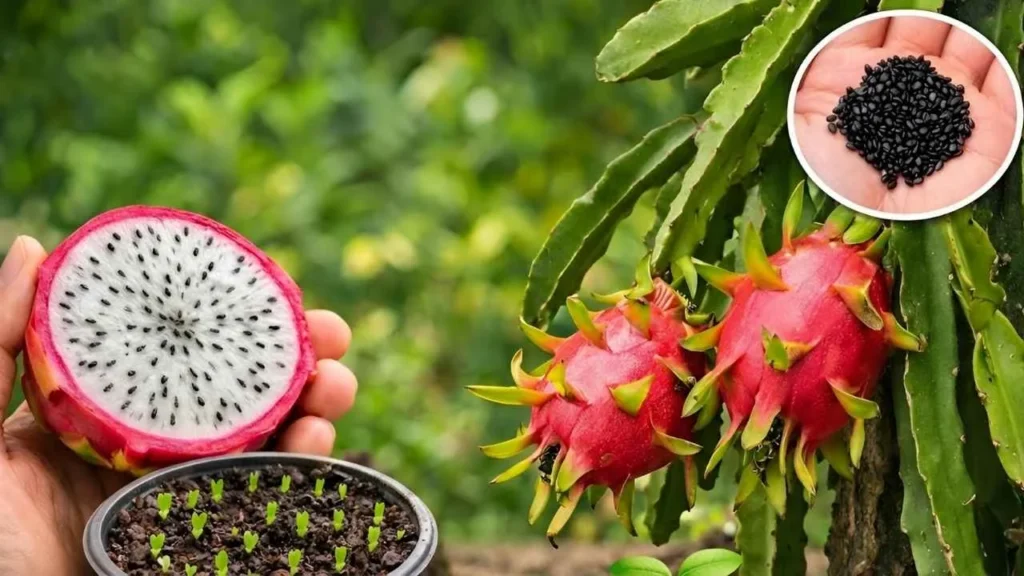
Dragon Fruit Growing Guide 2026: Dragon fruit is no longer an exotic supermarket surprise. In 2026, more home gardeners are turning balconies, terraces, and small backyards into mini tropical farms with this vibrant cactus plant. Its bright pink skin, speckled flesh, and refreshing taste make it a premium fruit, yet it can be grown successfully at home with smart planning. The best part is that once established, a dragon fruit plant can produce harvests for years. This detailed guide shares fresh, practical, and easy to apply methods to help you grow healthier plants and enjoy sweeter fruits straight from your garden.
Pick A Profitable Variety
Choosing the right variety directly impacts taste, yield, and maintenance level. White flesh dragon fruit varieties are hardy and adapt well to different climates, making them ideal for beginners. Red or magenta flesh types usually offer higher sweetness and better market value if you plan to sell surplus fruit. Yellow skin varieties grow slightly slower but produce intensely sweet fruits. Always select thick, disease free stem cuttings from a reliable nursery for faster fruiting compared to seeds.
Sunlight Is Non Negotiable
Dragon fruit plants crave strong sunlight to produce healthy flowers and fruits. A minimum of six to eight hours of direct sunlight daily ensures vigorous growth. Plants grown in shaded corners often produce weak stems and fewer flowers. If growing indoors, position the plant near a south facing window or use grow lights for consistent exposure. Proper sunlight improves sugar development inside the fruit, resulting in a naturally sweeter harvest without any artificial enhancers.
Build Strong Support Early
Dragon fruit is a climbing cactus that needs a sturdy structure from the beginning. Installing a concrete or wooden pole with a circular top frame helps the plant grow upward and then cascade gracefully. This vertical training improves air circulation and maximizes fruit production. Tie the stems loosely with soft garden ties to prevent damage. A strong support system prevents breakage during heavy fruiting seasons and helps maintain a neat and manageable plant structure.
Soil Mix That Delivers Results
Healthy roots mean healthier fruits. Dragon fruit requires loose, well draining soil to prevent root rot. A mix of garden soil, coarse sand, compost, and coco peat works exceptionally well. Adding small gravel pieces improves aeration further. The ideal soil should drain water quickly yet retain enough moisture for root absorption. Avoid heavy clay soil as it holds water for too long. Refresh the top layer of soil every year to maintain nutrient richness.
Water Smart Not Excessive
Overwatering is the most common mistake in dragon fruit cultivation. Although it looks lush and tropical, this plant belongs to the cactus family and stores water in its stems. Water only when the top two inches of soil feel dry. During hot summers, watering once a week is generally enough. In cooler months, reduce watering drastically. Balanced watering encourages strong flowering and prevents fungal diseases that could damage roots and stems.
Boost Growth With Organic Feeding
Nutrition plays a major role in fruit size and sweetness. Feed your plant with organic compost or vermicompost every month during the growing season. A balanced fertilizer with moderate phosphorus supports flowering and fruit development. Avoid excessive nitrogen because it promotes leafy growth instead of blooms. Adding crushed eggshell powder occasionally improves calcium content in the soil. Organic feeding methods keep the fruit chemical free and healthier for family consumption.
Night Blooming Flower Surprise
Dragon fruit flowers are large, fragrant, and bloom during the night, making them a fascinating sight. These flowers usually appear during warm months and last only one night. Some varieties self pollinate, but others benefit from manual pollination. Using a soft brush to transfer pollen between flowers improves fruit set. Successful pollination leads to visible fruit formation within days. Observing this transformation adds excitement to the gardening journey.
Pruning For Maximum Yield
Regular pruning keeps the plant productive and healthy. Remove weak, damaged, or overcrowded stems to improve sunlight penetration and airflow. Trim excessive side shoots that consume energy without contributing to fruiting. Focus on maintaining three to four strong main branches per support pole. Proper pruning directs the plant’s energy toward flowering and fruit production. Clean pruning tools before use to avoid spreading diseases between plants.
Protect From Common Threats
Dragon fruit plants are resilient but can occasionally attract pests like aphids, ants, or mealybugs. Inspect stems regularly and wipe away pests manually if spotted early. Neem oil spray works effectively as a natural preventive solution. Ensure proper drainage to avoid fungal infections. Avoid over fertilization as it can weaken the plant’s immunity. A healthy and stress free plant naturally resists most minor pest problems.
Harvest At Perfect Ripeness
Timing is crucial when harvesting dragon fruit. Fruits are ready when the skin turns bright pink, red, or yellow depending on the variety and the outer scales slightly soften. Typically, harvest occurs about thirty to fifty days after flowering. Use clean scissors to cut the fruit carefully without damaging the stem. Harvesting at the right stage ensures maximum sweetness, juiciness, and nutritional value.
Grow Successfully In Containers
Urban gardeners can easily grow dragon fruit in large pots. Choose a container with excellent drainage and at least fifteen to twenty inches depth. Provide a central support pole and ensure the plant receives full sunlight. Container plants require slightly more attention to watering and feeding since nutrients deplete faster. Refreshing the soil annually keeps the plant productive. With proper care, even terrace grown plants can yield multiple fruits per cycle.
Encourage Multiple Harvest Cycles
Dragon fruit plants can produce more than one fruiting cycle in a year under ideal conditions. Maintaining consistent feeding, pruning after each harvest, and ensuring sufficient sunlight helps trigger repeated flowering. Avoid stressing the plant with sudden changes in watering patterns. A mature and well maintained plant can continue fruiting for many years, making it a long term investment for home gardeners.
Final Word: Dragon Fruit Growing Guide 2026
Dragon fruit cultivation in 2026 is more practical than ever, especially with growing awareness about organic and home grown food. With the right variety, strong support, balanced watering, and organic nutrition, this tropical cactus can reward you with vibrant and delicious fruits season after season. Whether planted in a backyard or grown in a terrace container, dragon fruit adds beauty, nutrition, and satisfaction to your gardening journey. Consistent care and smart techniques will transform a simple cutting into a thriving fruit bearing plant that delivers sweet success year after year.
