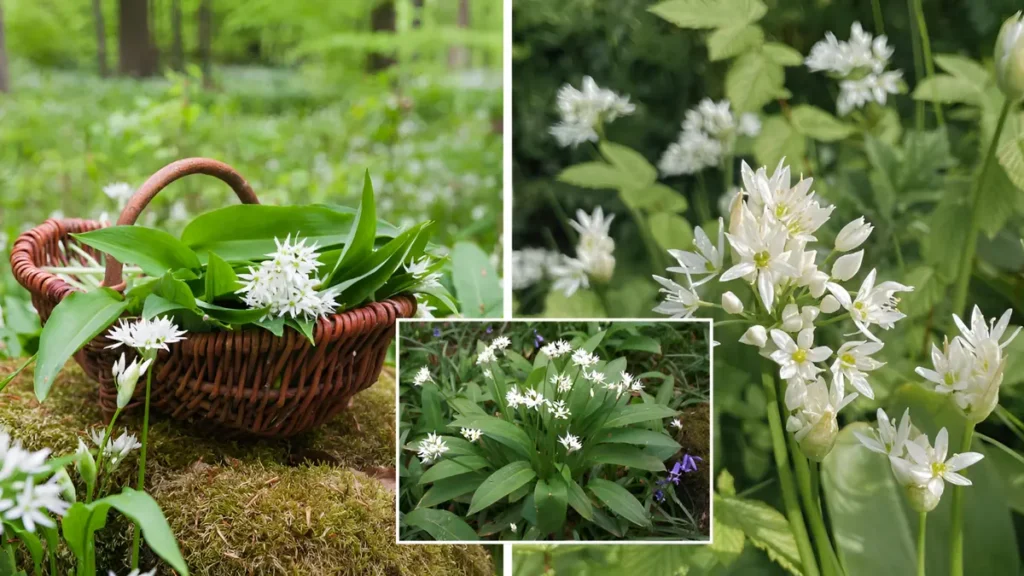
Forage Wild Garlic 2026: Wild garlic season is one of the most exciting moments of early spring. As forests shift from winter silence to vibrant green life, carpets of glossy leaves begin to appear under trees and along shaded paths. In 2026, interest in sustainable living, local food sourcing, and eco-friendly harvesting is stronger than ever. Wild garlic has become a symbol of seasonal eating done right. It is free, flavorful, and deeply connected to nature when gathered responsibly.
Foraging wild garlic is not just about collecting ingredients. It is about slowing down, understanding ecosystems, and bringing fresh woodland flavor into everyday cooking. With the right identification skills, sustainable harvesting methods, and creative recipes, you can turn a simple forest walk into a memorable culinary experience.
Discover The Forest’s Hidden Garlic Treasure
Wild garlic thrives in moist, shady woodlands and often forms dense green carpets beneath deciduous trees. Its broad, smooth leaves grow from slender stems and release a distinct garlic aroma when crushed. In 2026, foragers are increasingly seeking this plant because it offers a milder and fresher taste compared to cultivated garlic bulbs. Its delicate flavor works beautifully in modern seasonal cooking while still delivering a recognizable garlicky punch.
Master The Garlic Scent Test
The most reliable identification trick remains simple and effective. Gently rub a single leaf between your fingers. A strong garlic scent confirms you have found the right plant. However, always test leaves individually because toxic lookalikes can grow nearby. Smelling the entire patch is not enough. Careful, leaf-by-leaf confirmation reduces risk and builds confidence for new foragers exploring woodland spaces.
Study Leaf Shape With Care
Wild garlic leaves are long, pointed, and smooth with a single central vein. They grow individually from the base rather than branching off a central stalk. Paying attention to this structure is essential. Some similar-looking plants have thicker leaves or grow in pairs from one stem. Observing these subtle differences ensures safe harvesting. Taking your time and studying the details makes the entire process more rewarding and secure.
Respect Nature With Gentle Harvesting
Eco-friendly harvesting is the foundation of responsible foraging. Instead of pulling up bulbs, carefully snip or pinch off a few leaves from each cluster. This allows the plant to continue growing and spreading naturally. Overharvesting can weaken local patches and disturb wildlife habitats. In 2026, sustainable foraging is about balance. Take only what you need and leave plenty behind for insects, animals, and future foragers.
Choose The Perfect Spring Timing
Timing plays a major role in flavor and texture. Wild garlic is at its best before it fully flowers. The leaves are tender and packed with aromatic oils during early to mid spring. Once white star-shaped flowers bloom, the leaves may become slightly tougher but still edible. Morning harvesting often delivers the freshest results. Planning your foraging trips around seasonal growth stages ensures maximum flavor and nutritional value.
Understand Woodland Ecosystems
Wild garlic grows in rich woodland soil and contributes to local biodiversity. Its presence often indicates healthy forest conditions. When harvesting, stay on established paths whenever possible to protect delicate undergrowth. Avoid trampling large areas or disturbing nearby plants. Respecting the broader ecosystem ensures that wild garlic continues to flourish naturally. Sustainable foraging means viewing yourself as a temporary guest in the forest rather than an owner.
Transform Leaves Into Vibrant Pesto
One of the most popular recipes remains wild garlic pesto. Blend fresh leaves with olive oil, toasted nuts, grated hard cheese, and a splash of lemon juice. The result is a bright green sauce perfect for pasta, sandwiches, or roasted vegetables. Its fresh aroma captures the essence of spring. Making pesto soon after harvesting preserves maximum flavor and color, turning simple ingredients into a standout seasonal dish.
Elevate Everyday Dishes Naturally
Wild garlic can upgrade many familiar meals. Stir chopped leaves into scrambled eggs for a fragrant breakfast. Mix them into mashed potatoes for a fresh twist. Add finely sliced leaves to salads, soups, or grain bowls. Even simple butter becomes special when blended with minced wild garlic and a pinch of sea salt. These small additions bring woodland freshness to daily cooking without overwhelming other flavors.
Explore Creative Baking Ideas
Beyond savory dishes, wild garlic works beautifully in baked recipes. Knead chopped leaves into bread dough to create aromatic loaves with green flecks throughout. Fold them into savory muffins or scones for a spring brunch treat. Wild garlic focaccia topped with olive oil and flaky salt delivers a stunning presentation and deep flavor. Baking with foraged ingredients connects rustic tradition with modern culinary creativity.
Preserve Fresh Flavor For Later
Wild garlic season is relatively short, so preservation techniques are valuable. Freezing chopped leaves in olive oil using small containers keeps flavor intact for months. You can also prepare wild garlic butter and store it in the freezer for easy portioning. Blending leaves into sauces before freezing helps maintain color and texture. Smart preservation allows you to enjoy spring’s woodland taste well beyond its natural growing window.
Discover Nutritional Goodness Within
Wild garlic offers more than taste. It contains vitamin C, iron, and natural antioxidants. Many people appreciate it as a lighter alternative to traditional garlic, especially for those who prefer a milder flavor profile. Including wild garlic in seasonal meals adds freshness while supporting a balanced diet. Its natural compounds contribute to overall wellness when enjoyed as part of a varied and wholesome eating pattern.
Practice Safe And Mindful Foraging
Safety remains essential in 2026’s growing foraging movement. Always forage in clean areas away from pollution and heavy traffic. Wash leaves thoroughly before cooking. If you are uncertain about identification, consult experienced foragers or reliable field guides before consuming any wild plant. Mindful preparation protects your health while reinforcing responsible outdoor habits. Knowledge and caution are key to making foraging both safe and enjoyable.
Final Word: Forage Wild Garlic 2026
Wild garlic foraging represents a powerful blend of sustainability, culinary creativity, and connection with nature. With careful identification, respectful harvesting methods, and imaginative recipes, this simple green leaf transforms into a seasonal highlight. The 2026 focus on eco-friendly living makes wild garlic more relevant than ever. By embracing mindful foraging practices and experimenting in the kitchen, you can turn a woodland walk into a flavorful celebration of spring’s natural abundance.
