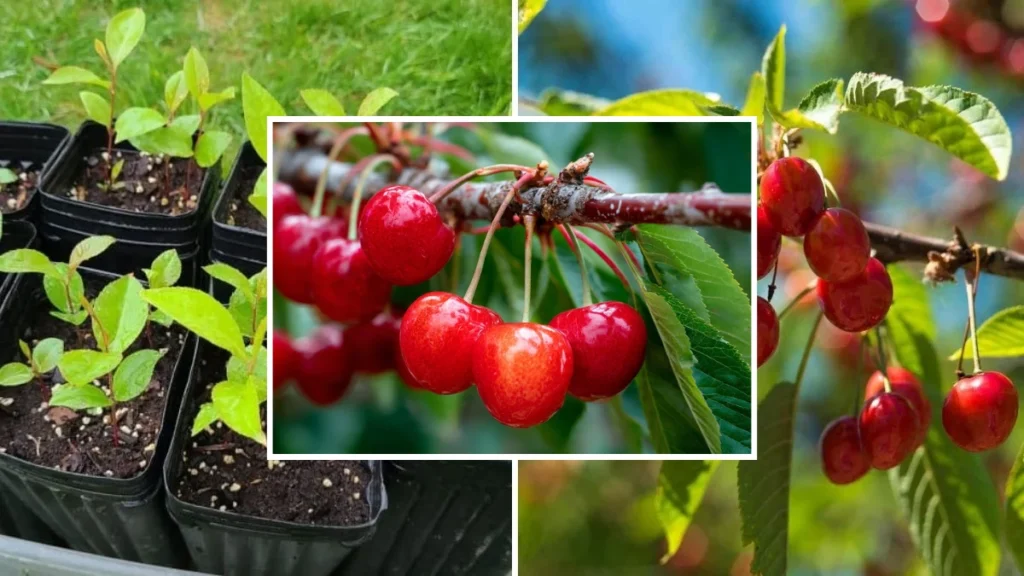
Grow Cherry Trees on a Patio: Growing fresh cherries at home no longer requires a backyard orchard or acres of land. Urban gardening trends have made it possible to harvest juicy cherries right from a patio, balcony, or terrace. With the right container, proper sunlight, and consistent care, cherry trees can thrive beautifully in pots. Patio gardening not only saves space but also adds natural beauty and seasonal rewards to compact homes. If you want to enjoy homegrown cherries without traditional garden space, container cultivation offers a smart and practical solution.
Small Space Big Harvest Magic
Container gardening has transformed how people grow fruit in limited spaces. Cherry trees adapt surprisingly well to pots when selected carefully. A compact patio can produce a generous harvest if the tree receives adequate light and nutrients. Growing cherries in containers also allows better control over soil quality and watering. This flexibility reduces common ground planting risks such as soilborne diseases. Even renters can enjoy fruit cultivation without permanent landscaping changes.
Dwarf Varieties Steal The Show
Choosing the correct cherry variety determines long term success. Standard cherry trees grow too tall for containers, but dwarf and semi dwarf cultivars remain manageable. Self pollinating types simplify fruit production because they do not require a second tree nearby. Compact sweet cherries provide fresh snacking options, while tart cherries are ideal for baking and preserves. Selecting disease resistant varieties ensures stronger growth and reduces maintenance efforts throughout the season.
Pot Size Shapes Success
The container you choose directly impacts root health and fruit yield. A pot that is at least twenty inches wide and deep gives the roots enough room to expand. Larger containers hold moisture more consistently, reducing stress during hot weather. Always select pots with multiple drainage holes to prevent waterlogging. Materials like terracotta, resin, or thick plastic all work well, but insulation during extreme temperatures protects roots from sudden climate shifts.
Soil Quality Builds Strong Roots
Garden soil is too dense for containers and can restrict oxygen flow. A premium potting mix formulated for fruit plants provides better drainage and aeration. Blending compost into the mix adds natural nutrients and improves structure. Some gardeners mix perlite or coco coir for enhanced moisture balance. Healthy soil encourages deeper root systems, which directly influence flowering strength and fruit size. Replacing a portion of the soil every few years refreshes nutrients naturally.
Sunlight Drives Cherry Production
Cherry trees require abundant direct sunlight to produce blossoms and fruit. Position the container where it receives at least six to eight hours of sun daily. South facing patios often provide the best exposure. Insufficient light leads to weak growth and limited flowering. During extremely hot summers, brief afternoon shade can protect leaves from scorching. Monitoring sunlight patterns throughout the year helps adjust placement for optimal seasonal performance.
Smart Watering Prevents Stress
Container grown cherry trees need consistent but balanced watering. Soil should remain moist but never soggy. Check the top layer regularly and water deeply when it feels dry. Deep watering encourages roots to grow downward rather than staying shallow. During flowering and fruit formation, steady moisture prevents fruit drop or splitting. Installing a drip irrigation system or using self watering containers simplifies care for busy gardeners.
Fertilizer Fuels Fruit Growth
Cherry trees in pots depend entirely on supplemental feeding. Applying a slow release balanced fertilizer in early spring supports new growth. During the active growing season, occasional liquid feeding enhances flower and fruit development. Avoid excessive nitrogen because it promotes leaves instead of cherries. Organic options such as compost tea or fish emulsion offer gentle nutrient support. Proper feeding schedules result in healthier trees and more flavorful harvests.
Pruning Keeps Trees Compact
Regular pruning maintains manageable size and improves air circulation. Remove dead or crossing branches to encourage healthy structure. Light shaping after harvest keeps the canopy open and balanced. An open framework allows sunlight to penetrate evenly, increasing fruit quality. Pruning also reduces disease risks by improving airflow. With consistent trimming, patio cherry trees remain productive and aesthetically pleasing year after year.
Winter Protection Matters Most
Cherry trees need a period of winter chill, but container roots are more exposed to cold damage. In colder climates, wrap pots with insulating material or move them to a sheltered location. Avoid heated indoor spaces, as trees require dormancy. Elevating containers slightly off cold ground prevents root freeze. Winter preparation ensures the tree emerges healthy and ready to bloom in spring.
Pollination Boosts Fruit Yield
Even self pollinating varieties benefit from natural pollinator activity. Bees and beneficial insects improve fruit set and overall yield. Placing flowering companion plants nearby encourages pollinators to visit. Avoid chemical pesticides during blooming season, as they can harm helpful insects. If pollinator presence is low, gently brushing flowers with a soft paintbrush can assist pollination. Strong pollination directly increases cherry quantity and quality.
Pest Control Made Simple
Container gardening allows easier monitoring of pests and diseases. Common issues include aphids, spider mites, and birds attracted to ripening fruit. Neem oil sprays provide organic pest control without harming the plant. Netting can protect cherries from birds during peak ripening. Regular inspection of leaves and stems helps catch problems early. Quick intervention prevents minor issues from becoming serious threats to fruit production.
Harvest Time Feels Rewarding
Cherries are typically ready for harvest in early to mid summer depending on the variety. Fruits should be fully colored and slightly firm before picking. Harvesting with stems attached prolongs freshness. Patio grown cherries often taste sweeter because they are picked at peak ripeness. Fresh cherries can be enjoyed raw, baked into desserts, or preserved as jams. The satisfaction of harvesting fruit from your own patio makes the effort worthwhile.
Final Word: Grow Cherry Trees on a Patio
Growing cherry trees on a patio combines practicality with beauty. With thoughtful variety selection, proper container size, nutrient rich soil, and consistent care, anyone can cultivate a thriving cherry tree in limited space. Container gardening offers flexibility, control, and convenience while delivering delicious seasonal rewards. Whether you live in an apartment or a compact home, patio cherry cultivation proves that fresh fruit gardening is possible almost anywhere.
