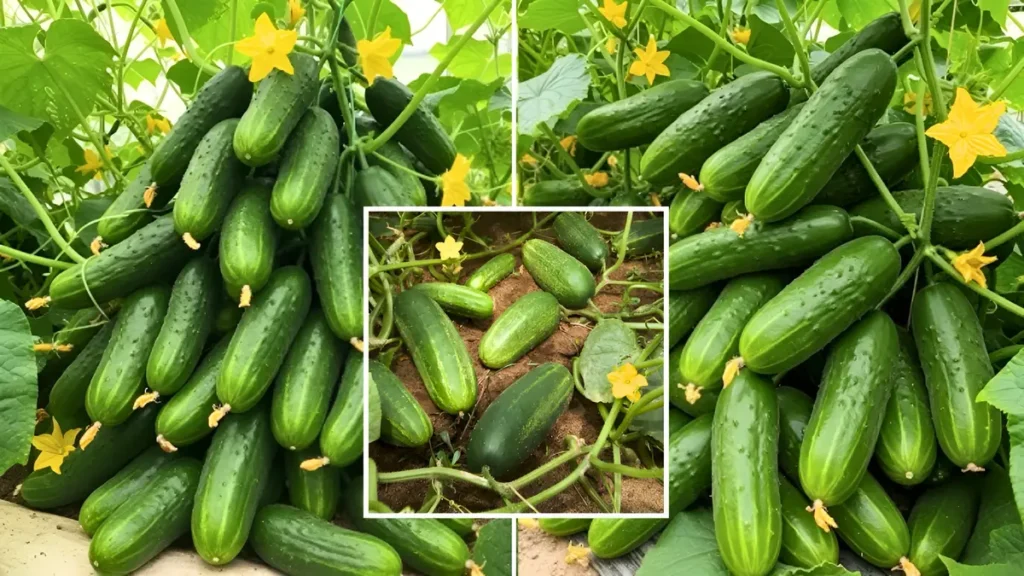
Grow Cucumbers Like a Pro in 2026: Fresh cucumbers from your own garden bring a level of satisfaction that no supermarket shelf can match. In 2026, home gardening is evolving with smarter techniques, better seed varieties, and organic growing trends that focus on both productivity and sustainability. Cucumbers are one of the fastest growing vegetables, and when managed correctly, they can produce heavily for weeks. The secret lies in understanding soil health, watering patterns, sunlight exposure, and plant support systems.
This detailed blueprint will guide you step by step to grow cucumbers with professional level results at home. Whether you have a backyard garden, rooftop setup, or balcony containers, these strategies will help you maximize yield while maintaining plant health naturally.
Choose High Yield Varieties Smartly
The foundation of a productive cucumber harvest begins with selecting the right variety. In 2026, hybrid and disease resistant seeds are more accessible than ever. Look for varieties labeled as high yield, mildew resistant, and heat tolerant. Bush types are ideal for containers, while vining varieties perform exceptionally well in open spaces with vertical support.
Choosing region appropriate seeds is equally important. Warm climate growers should opt for heat resistant types, while cooler regions benefit from fast maturing cultivars. Starting with quality seeds ensures stronger germination, better flowering, and consistent fruit production throughout the growing season.
Build Nutrient Rich Living Soil
Cucumbers are heavy feeders, meaning they require fertile and well drained soil. Preparing soil with organic compost, aged manure, and natural amendments improves both texture and nutrient availability. A slightly loose, crumbly structure allows roots to spread easily and absorb moisture efficiently.
Maintaining a soil pH between 6.0 and 7.0 supports optimal nutrient uptake. Adding vermicompost boosts microbial life, which enhances plant immunity and growth speed. Healthy soil acts as the backbone of high yield gardening, and investing time in preparation results in long term productivity.
Give Sunlight Without Compromise
Cucumber plants thrive under full sunlight. They need at least six to eight hours of direct sun daily to grow vigorously and produce abundant fruits. Insufficient sunlight leads to weak vines and fewer female flowers, which directly affects yield.
Position your plants in the brightest area of your garden. For balcony gardeners, south facing spaces are ideal. In extremely hot regions, light afternoon shade can protect plants from stress while still maintaining strong growth. Balanced exposure helps plants stay energetic and productive.
Master the Art of Watering
Water management plays a crucial role in cucumber success. These plants require consistent moisture but cannot tolerate waterlogging. Deep watering two to three times a week encourages strong root development. Shallow daily watering often results in weak root systems.
Always water at the base rather than overhead to prevent fungal diseases. Mulching with straw or dry leaves helps retain moisture and regulate soil temperature. Stable watering habits prevent bitter tasting cucumbers and reduce the chances of fruit deformities.
Train Vines for Bigger Harvest
Supporting cucumber vines vertically increases yield and saves space. Trellising improves air circulation, reduces disease risk, and keeps fruits clean. Vertical growth also encourages better sunlight distribution across the plant.
Use sturdy nets, bamboo stakes, or metal frames to guide vines upward. As plants climb, gently tie them for support. This method not only improves fruit quality but also makes harvesting easier. Vertical gardening is one of the simplest ways to boost production in small spaces.
Feed Plants at Right Time
Cucumbers need additional nutrition once flowering begins. Applying organic liquid fertilizers such as compost tea or seaweed extract every two weeks enhances fruit formation. Balanced feeding ensures plants do not produce excessive leaves at the cost of fruits.
Avoid overusing nitrogen rich fertilizers, as they promote foliage growth rather than cucumbers. A balanced nutrient approach focusing on phosphorus and potassium during flowering stage supports strong fruit development and longer harvesting periods.
Control Pests Naturally
Common cucumber pests include aphids, beetles, and mites. Regular inspection helps detect problems early. Neem oil sprays and mild soap solutions are effective organic treatments. Introducing beneficial insects like ladybugs can also help maintain balance naturally.
Crop rotation and proper spacing reduce disease risks such as powdery mildew. Keeping leaves dry and improving airflow minimizes fungal infections. Healthy plants with strong soil nutrition are naturally more resistant to pest attacks.
Encourage More Female Flowers
Higher fruit production depends on female flowers, as they develop into cucumbers. Stress conditions often reduce female flower formation. Maintaining consistent watering, feeding, and sunlight encourages balanced flowering.
Pinching early vine tips can stimulate branching, which increases flower production. Some gardeners also hand pollinate flowers in low bee activity areas to ensure better fruit set. Small adjustments can dramatically improve overall yield.
Harvest at Perfect Stage
Timing your harvest correctly ensures the best flavor and continued production. Pick cucumbers when they are firm, bright green, and medium sized. Overripe fruits turn yellow and reduce plant productivity.
Frequent harvesting signals the plant to produce more fruits. Check vines every one to two days during peak season. Using sharp scissors prevents vine damage. Proper harvesting extends the plant’s life and maximizes total output.
Protect Plants from Weather Stress
Extreme heat, heavy rainfall, or sudden temperature drops can affect cucumber plants. Mulching and proper drainage protect roots during intense weather. In cooler climates, lightweight covers can help maintain warmth during early growth stages.
Wind protection is also important for young vines. Providing stable support structures prevents breakage. Managing environmental stress ensures consistent growth and uninterrupted fruiting cycles.
Practice Smart Crop Rotation
Growing cucumbers in the same spot every year increases soil borne disease risks. Rotating crops with legumes or leafy greens improves soil structure and nutrient balance. This practice also interrupts pest life cycles naturally.
Allowing soil to rest between cucumber seasons keeps it fertile and productive. Sustainable gardening techniques in 2026 focus heavily on long term soil health rather than short term gains.
Final Word: Grow Cucumbers Like a Pro in 2026
Growing cucumbers like a professional gardener is completely achievable with the right blueprint. From selecting high yield varieties and building nutrient rich soil to mastering watering and vertical training, each step plays a crucial role in productivity.
Consistency is the real secret. Regular care, timely feeding, smart harvesting, and natural pest management create strong, resilient plants that deliver heavy harvests. In 2026, home gardening is not just about growing food but about growing smarter. Follow these strategies, and your cucumber plants will reward you with crisp, abundant harvests throughout the season.
