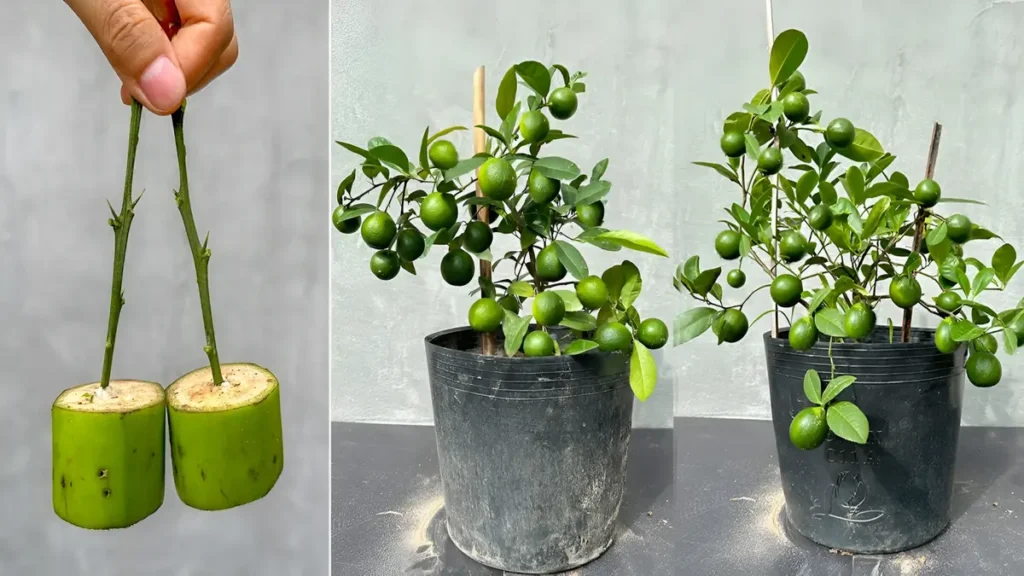
Grow Lemon from Cuttings in 2026: Growing lemons at home has become more than just a gardening hobby in 2026. With rising interest in organic food and self-sufficient living, more people are learning how to multiply their favorite citrus trees without buying new saplings. Propagating lemon from cuttings is one of the fastest and most reliable methods to produce identical plants that fruit earlier and grow stronger. When done correctly, especially with a controlled high humidity environment, root development can happen surprisingly quickly. This detailed guide explains every essential step so you can grow healthy lemon plants with confidence and long term success.
Pick A Powerful Parent Branch
Everything begins with selecting the right mother plant. Choose a mature, disease-free lemon tree that consistently produces flavorful fruit. The cutting must come from a semi-hardwood branch, meaning it is not too soft and not fully woody. A healthy cutting is usually six to eight inches long and includes at least three to four nodes.
Avoid branches with flowers or fruit attached because they divert energy away from root formation. Early morning is the best time to take cuttings since the plant is fully hydrated. Clean pruning tools are essential to prevent fungal contamination and ensure a smooth, stress-free cut.
Prepare The Cutting Like A Pro
Once you have the ideal stem, preparation determines how successfully it will root. Remove the leaves from the lower half of the cutting while keeping two smaller leaves at the top. If the top leaves are large, trim them in half to reduce moisture loss.
Make a fresh angled cut just below a node. This area contains active cells that encourage faster root development. Dipping the base in natural rooting hormone or cinnamon powder can enhance protection against fungal infections while stimulating root growth.
Create The Perfect Rooting Medium
Regular garden soil is too dense for delicate new roots. Lemon cuttings require a light, well-draining mix that holds moisture without becoming soggy. A combination of cocopeat, perlite, and organic compost works extremely well. The texture should feel airy and slightly moist when squeezed.
Fill a small pot with drainage holes and gently insert the cutting two inches deep. Press the soil lightly around the base to remove air gaps. Good aeration is critical because developing roots need oxygen just as much as water.
High Humidity Boost Formula
High humidity is the secret weapon for rapid root growth. Before roots form, the cutting absorbs moisture mainly through its leaves. Without humidity control, it dries out quickly and fails.
To create a humidity chamber, cover the pot with a clear plastic dome or a cut transparent bottle. This traps moisture and creates a greenhouse effect around the cutting. Place it in bright, indirect light. Within three to five weeks, you may see new growth, a clear sign that roots are forming beneath the soil surface.
Maintain Ideal Temperature Balance
Temperature plays a major role in root development speed. Lemon cuttings root best between twenty to thirty degrees Celsius. Cooler conditions slow down cellular activity, while extreme heat causes stress and dehydration.
Keep the pot indoors near a sunny window or in a shaded outdoor spot protected from harsh afternoon sunlight. Consistent warmth combined with high humidity creates the perfect environment for fast root initiation and strong early growth.
Smart Watering Strategy Matters
Overwatering is one of the most common reasons lemon cuttings fail. While humidity around the leaves should remain high, the soil must never be waterlogged. Check the top layer regularly and water only when it feels slightly dry.
Misting the leaves lightly inside the humidity dome helps maintain moisture balance. Good drainage ensures roots stay white and healthy rather than turning brown from rot. Controlled watering encourages steady root development without inviting fungal diseases.
Watch For Early Root Signals
Patience is important during propagation. After about four weeks, gently tug the cutting. If you feel resistance, roots have developed. You may also notice fresh leaf buds emerging from the top node.
When new growth appears, gradually remove the humidity cover over several days. This step is crucial to prevent shock. Sudden exposure to dry air can stress the plant. Slow adjustment helps strengthen leaf structure and prepares the plant for normal environmental conditions.
Strengthen Growth With Light Care
Once rooted, lemon plants crave bright sunlight. Gradually increase exposure to direct morning sunlight while avoiding harsh midday rays during the early stage. Proper light encourages strong stems and deep green foliage.
A gentle liquid fertilizer diluted to half strength can be introduced after six weeks. Organic compost tea or citrus specific feed provides essential nutrients like nitrogen and potassium that support vigorous vegetative growth.
Transplant Without Stress
When roots fill the small pot and growth becomes steady, it is time to transplant. Choose a larger container with excellent drainage. Use nutrient rich soil blended with sand or perlite for improved airflow.
Carefully remove the plant without disturbing the root ball. Place it in the new pot at the same depth and water lightly. Keep it in partial shade for a few days before gradually reintroducing stronger sunlight. This transition minimizes transplant shock.
Encourage Future Fruiting Success
Lemon plants grown from cuttings have an advantage because they are genetic clones of the parent tree. This means fruit quality remains consistent. Regular pruning encourages branching, which increases future flower production.
Maintain balanced fertilization and ensure at least six hours of sunlight daily. With proper care, flowering may begin within two to three years. Pollination happens naturally outdoors, but indoor plants may benefit from gentle hand pollination during bloom season.
Prevent Common Growing Mistakes
Many beginners struggle due to simple errors. Using heavy soil, exposing cuttings to direct harsh sunlight, or overwatering are frequent problems. Lack of humidity is another major cause of failure.
Keeping the environment stable is key. Avoid moving the cutting frequently during the rooting phase. Consistency in temperature, moisture, and light leads to higher survival rates and healthier plants in the long run.
Final Word: Grow Lemon from Cuttings in 2026
Growing lemon from cuttings in 2026 is a practical, cost-effective way to expand your home garden. By selecting a healthy branch, preparing it carefully, using a well-draining medium, and applying the high humidity method, you dramatically improve root formation speed. Warm temperatures, smart watering, and gradual acclimatization ensure strong development. With patience and proper care, your small cutting can transform into a thriving lemon tree that rewards you with fragrant blossoms and fresh citrus harvests for years to come.
