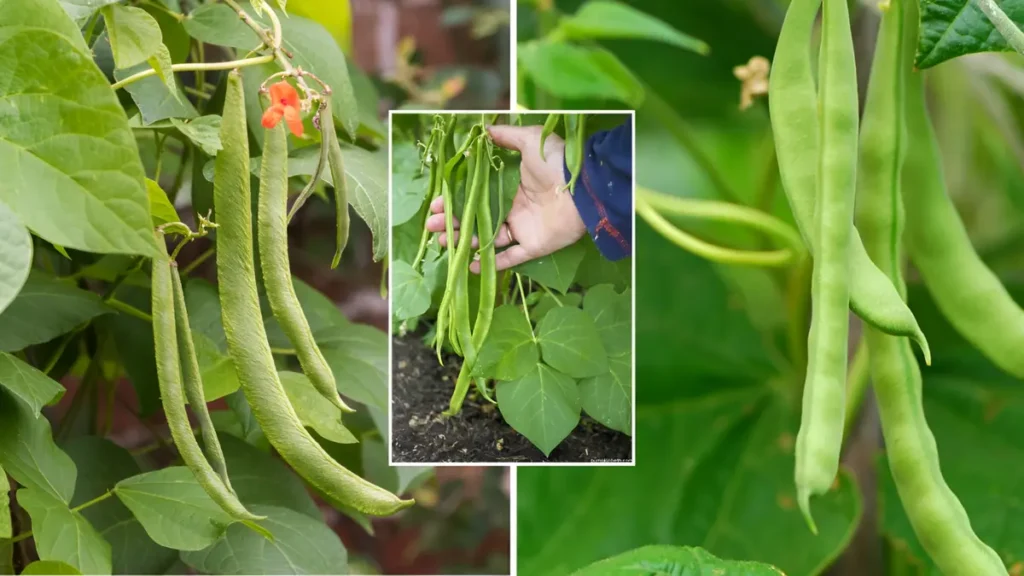
Harvest Runner Beans Like a Pro in 2026: Harvesting runner beans is one of the most satisfying moments in any home garden. Those bright green pods hanging from tall climbing vines are more than just vegetables. They represent weeks of care, watering, training, and patience. In 2026, more gardeners are choosing runner beans not only for their productivity but also for their sustainability value. When harvested correctly, these plants can provide a continuous supply of tender pods, save seeds for the next season, and reduce reliance on store-bought produce. Mastering the right picking techniques ensures better flavor, stronger plants, and a longer harvest window.
Pick Young Pods For Maximum Tenderness
Runner beans taste best when harvested young and firm. The ideal pod is smooth, bright green, and about six to eight inches long before the seeds inside begin swelling visibly. Once seeds start bulging, the texture becomes tougher and slightly fibrous. Checking plants every two days during peak season helps you catch pods at their sweetest stage. Consistent picking also encourages the plant to keep flowering, resulting in higher yields and extended production throughout the growing season.
Morning Harvest Boosts Freshness
Early morning harvesting delivers the crispiest pods. During cooler hours, beans are fully hydrated and less likely to wilt. Picking in intense midday heat can stress both the plant and the harvested pods. Use clean hands or garden scissors and handle vines gently. Freshly picked beans should feel cool and firm to the touch. Collecting during the morning also allows you to wash and prepare them the same day, preserving nutrients and flavor.
Gentle Picking Protects The Plant
Runner bean vines grow vigorously but can snap if pulled carelessly. Always support the vine with one hand while snapping the pod with the other. Avoid twisting or yanking downward, which may damage stems or disturb roots. Healthy vines continue climbing and producing new flowers when handled properly. Protecting the plant structure is essential for sustainable harvesting because a stressed plant will reduce pod production significantly.
Frequent Harvest Means Bigger Yields
One of the best-kept secrets in runner bean gardening is simple consistency. The more regularly you harvest, the more the plant produces. When mature pods remain on the vine too long, the plant shifts energy toward seed development instead of creating new flowers. By removing pods every few days, you signal the plant to continue its productive cycle. This small habit can dramatically increase your total harvest over the season.
Identify Pods Ready For Seeds
Not every pod should be picked young. If you plan to save seeds, allow a few healthy pods to mature fully on the vine. These pods will grow thick, slightly curved, and eventually dry out to a leathery texture. Once they turn brown and papery, harvest and open them carefully. Inside, you will find well-formed seeds ready for drying and storage. Selecting the strongest plants for seed saving helps maintain vigorous crops year after year.
Dry Seeds The Right Way
Proper seed drying ensures good germination next season. After removing seeds from mature pods, spread them in a single layer in a dry, shaded, well-ventilated area. Avoid direct sunlight as excessive heat can reduce viability. Let seeds dry for at least a week until completely hard. Store them in labeled paper envelopes or airtight containers in a cool location. Saving seeds reduces gardening costs and supports long-term sustainability.
Sustainable Picking Supports Pollinators
Runner beans depend heavily on pollinators like bees for flower fertilization. Avoid using harsh chemical sprays that may harm beneficial insects. Planting companion flowers nearby can attract more pollinators and increase yield naturally. Water deeply but less frequently to encourage strong root systems. Adding organic mulch retains moisture and reduces weed competition. Sustainable practices not only improve harvest quality but also contribute positively to the overall garden ecosystem.
Prevent Tough And Stringy Pods
Toughness usually develops when pods are left too long on the vine or when plants experience water stress. Keep soil evenly moist, especially during flowering and pod formation. Inconsistent watering can result in fibrous texture. Harvest before visible seed bulges appear for best results. If you accidentally pick slightly mature pods, slicing them thinly and cooking them longer can still make them enjoyable in soups or stews.
Proper Storage After Harvest
Runner beans are best consumed fresh, but proper storage can extend their life for several days. After washing and drying, place them in a breathable container inside the refrigerator’s vegetable drawer. Avoid sealing them in airtight plastic without ventilation, as trapped moisture causes spoilage. For longer preservation, blanch pods briefly in boiling water, cool them quickly, and freeze. Freezing locks in nutrients and allows you to enjoy homegrown beans even months later.
Kitchen Ready Preparation Tips
Preparing runner beans for cooking is simple yet important. Trim both ends and remove any strings along the seams. Cutting them diagonally enhances presentation and ensures even cooking. Light steaming preserves color and nutrients, while sautéing with garlic and olive oil adds depth of flavor. Runner beans also pair beautifully with tomatoes, onions, and herbs. Minimal cooking keeps their natural sweetness intact and prevents over-softening.
Extend Harvest Through Smart Care
Regular feeding with compost or balanced organic fertilizer helps sustain continuous flowering. Provide sturdy vertical supports like trellises or poles to keep vines upright and accessible. Remove yellowing or diseased leaves to improve airflow and reduce fungal issues. Consistent maintenance prevents stress and prolongs the productive period. A well-managed runner bean plant can continue producing pods deep into late summer and early autumn.
Watch For Common Growing Issues
Aphids and bean beetles occasionally target runner beans. Inspect leaves regularly and wash off pests using water spray if needed. Good airflow and proper spacing between plants reduce disease risk. Avoid overcrowding, which can trap humidity and encourage mildew. Early problem detection prevents major damage and keeps harvesting uninterrupted. Healthy plants reward attention with abundant, high-quality pods.
Final Word: Harvest Runner Beans Like a Pro in 2026
Runner beans are more than just a seasonal vegetable. They represent a complete garden cycle from planting and harvesting to seed saving and cooking. By picking at the right stage, handling vines carefully, and following sustainable practices, you ensure stronger plants and better yields. Fresh, tender pods harvested at peak time offer unmatched flavor compared to store options. With mindful care and consistent harvesting, runner beans can become a reliable and rewarding staple in your garden every year.
