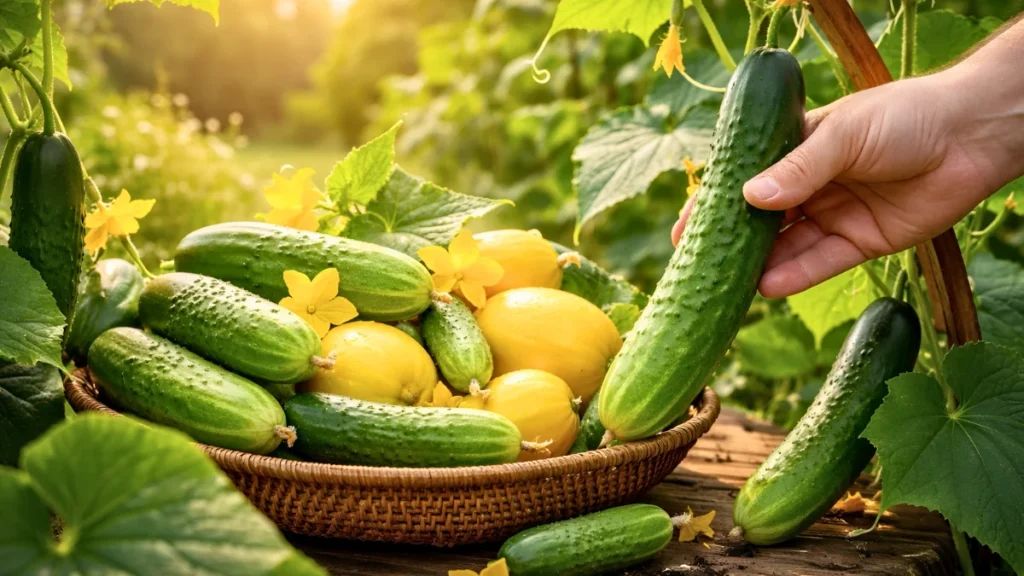
High Yield Cucumber Farming 2026: High Yield Cucumber Farming 2026 is no longer limited to traditional open-field practices. Farmers across regions are rapidly shifting toward the trellis method to produce straighter, cleaner, and more market-ready cucumbers. With rising demand from urban vegetable markets, food chains, and export buyers, quality has become just as important as quantity. The trellis system answers both needs. By guiding vines vertically, growers can unlock higher productivity, reduce crop damage, and significantly improve farm profitability in a competitive vegetable market.
Vertical Growth Unlocks Hidden Yield Potential
Traditional ground-spread cucumber cultivation often wastes vertical space and limits airflow. The trellis method transforms the field into a structured growing system where plants climb upward using wires, ropes, or mesh nets. This vertical orientation increases sunlight exposure for every leaf, improving photosynthesis efficiency. When plants receive balanced light and air, they grow stronger stems and produce more female flowers. More flowers directly translate into higher fruit count per plant, boosting overall yield per acre significantly.
Cleaner Fruits Command Premium Prices
Market buyers prioritize appearance. Cucumbers grown on soil often develop blemishes, uneven shapes, or yellow patches due to constant contact with moisture and dirt. Trellis-grown cucumbers hang freely in the air, maintaining uniform color and smooth skin. The result is visually appealing produce that fits premium grading standards. In wholesale markets, clean and straight cucumbers consistently receive better rates. Retailers and supermarkets prefer such produce because it reduces sorting time and enhances shelf display quality.
Strong Structure Means Stronger Plants
The foundation of successful trellis farming lies in a sturdy support structure. Farmers typically install durable poles at regular intervals and connect them with high-tensile wires. Vertical strings or nets guide vines upward. The structure must withstand wind pressure and fruit weight. Proper installation ensures plants remain stable throughout the growing cycle. When vines are supported effectively, stem breakage reduces, fruit load increases, and harvesting becomes more systematic and efficient.
Higher Plant Density Smart Planning
One major advantage of the trellis method is optimized land usage. Because vines grow vertically, farmers can adjust plant spacing without overcrowding the field. Proper row alignment ensures sunlight reaches lower leaves while allowing easy movement between rows for irrigation and spraying. This systematic layout supports higher plant density compared to traditional methods. With more productive plants per acre, farmers experience noticeable improvements in total output without expanding land area.
Reduced Disease Pressure Naturally
Moisture accumulation around leaves is a common reason for fungal infections in cucumbers. Ground-level cultivation often traps humidity, encouraging mildew and rot. Vertical trellis farming improves air circulation across the canopy. Leaves dry faster after irrigation or rain, reducing disease spread. Limited soil contact also lowers the risk of soil-borne infections. As a result, farmers may reduce pesticide usage, saving costs while producing healthier crops that meet safety standards demanded by modern buyers.
Harvesting Becomes Faster And Easier
Manual harvesting can be exhausting when vines spread across the ground. Workers must bend repeatedly to search for hidden fruits. In trellis systems, cucumbers hang visibly at accessible heights. This visibility speeds up harvesting, reduces labor fatigue, and prevents fruit from being accidentally damaged. Quick harvesting also ensures cucumbers reach storage or market while still crisp and fresh. Improved efficiency lowers labor costs and increases profitability over the entire season.
Smart Irrigation Boosts Productivity
Drip irrigation complements trellis cucumber farming perfectly. Water is delivered directly to the root zone, preventing excess moisture on leaves. Controlled irrigation maintains consistent soil moisture without waterlogging. Fertilizers can also be applied through drip systems using fertigation techniques. Balanced nutrition throughout growth stages encourages uniform fruit size and consistent production cycles. Efficient water management not only increases yield but also supports sustainable farming practices in regions facing water scarcity challenges.
Selecting High Performing Varieties
Choosing the right cucumber hybrid plays a crucial role in maximizing results. Varieties designed for vertical growth typically produce strong climbing vines and high fruit load. Disease-resistant hybrids further protect crops from common threats like powdery mildew. Market preference should guide selection as well. Some markets favor longer slicing cucumbers, while others demand compact salad varieties. Aligning production with buyer demand ensures higher acceptance rates and better price realization.
Season Timing And Climate Care
Climate conditions significantly influence cucumber performance. Trellis farming performs exceptionally well during moderate temperature periods with adequate sunlight. Excessive humidity may require improved ventilation, especially in protected cultivation setups. Proper scheduling of sowing ensures flowering aligns with favorable weather conditions. Farmers adopting trellis methods often combine them with mulching techniques to control weeds and maintain soil temperature. These integrated practices enhance crop stability and protect yields from sudden weather fluctuations.
Post Harvest Handling Matters
High yield production must be supported by careful post-harvest management. Trellis-grown cucumbers generally require less cleaning, reducing water usage after harvest. Grading based on size and uniformity allows farmers to target multiple market segments. Proper packaging in ventilated crates prevents mechanical damage during transportation. Quick transport to markets maintains freshness and extends shelf life. Efficient post-harvest handling strengthens brand reputation and builds long-term relationships with buyers.
Profit Outlook For Modern Growers
The trellis method in cucumber farming represents a strategic shift toward quality-driven agriculture. Although initial setup costs include poles, wires, and installation labor, the return on investment becomes visible within a few harvest cycles. Higher yield, improved fruit quality, lower disease management expenses, and faster harvesting combine to increase net income. In 2026, with rising consumer awareness and demand for premium vegetables, trellis cucumber farming offers a future-ready opportunity for progressive farmers.
Final Verdict For 2026 Growers
High Yield Cucumber Farming 2026 using the trellis method delivers measurable advantages in productivity, cleanliness, and profitability. Vertical cultivation transforms ordinary fields into efficient production systems that maximize every square meter. Farmers willing to adopt structured planning, quality seeds, and proper irrigation practices can achieve bigger harvests and stronger market presence. As agricultural trends move toward sustainable and high-quality production, trellis cucumber farming stands out as a smart investment for long-term success.
