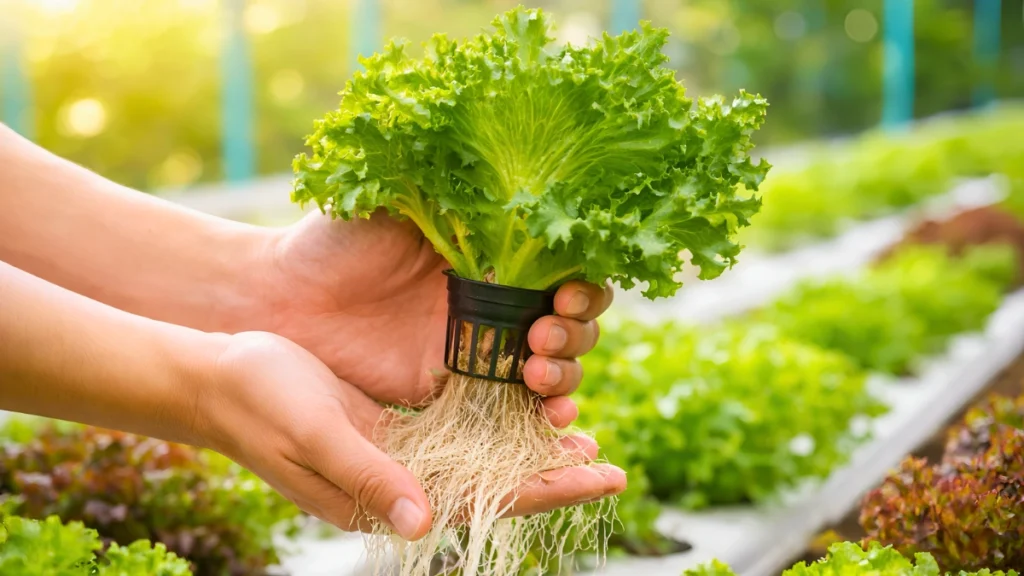
Hydroponic Lettuce 2026: Hydroponic lettuce is quickly becoming one of the smartest home gardening trends of 2026. With rising food prices, limited urban space, and growing awareness about clean eating, more people are choosing to grow crisp lettuce leaves indoors without soil. This modern farming method delivers faster growth, better control, and consistent harvests throughout the year. Whether you live in a compact apartment or a house with limited outdoor space, hydroponic lettuce offers a practical solution for fresh, chemical-free greens at home.
Unlike traditional gardening, hydroponics replaces soil with nutrient-rich water, giving plants direct access to essential minerals. The result is faster growth, cleaner produce, and higher yields in smaller spaces. Let’s explore how hydroponic lettuce works and why it is gaining so much attention this year.
Soil Free Farming Revolution
Hydroponic lettuce grows entirely without soil, using a carefully balanced water solution instead. The roots absorb nutrients directly from water, eliminating the need for digging, tilling, or worrying about soil quality. This method reduces common problems like weeds, pests, and soil-borne diseases. Since there is no mud involved, indoor gardening stays clean and manageable. The soil-free revolution is transforming homes into efficient mini farms where fresh lettuce can thrive effortlessly.
Faster Harvest Crisp Results
One of the most exciting benefits of hydroponic lettuce is rapid growth. Because nutrients are delivered straight to the roots, plants grow more efficiently than in traditional soil. Many varieties are ready for harvest within four to five weeks. The leaves tend to be tender, vibrant, and evenly shaped. Faster harvest cycles also mean you can grow multiple batches in a year, ensuring a steady supply of fresh greens for salads and sandwiches.
Compact Setup Big Impact
Hydroponic lettuce systems are designed to fit into modern living spaces. Countertop units, vertical towers, and shelf-based systems allow you to grow multiple plants without occupying much room. Even a small kitchen corner can support a productive lettuce garden. Vertical designs are especially popular in 2026 because they maximize upward space. This compact setup creates a big impact by turning unused indoor areas into year-round food sources.
Smart Lighting Powers Growth
Light plays a critical role in hydroponic success. Since many indoor spaces lack sufficient sunlight, energy-efficient LED grow lights are commonly used. These lights provide the full spectrum needed for strong leaf development. Modern systems come with automated timers that ensure plants receive consistent light exposure each day. Proper lighting prevents leggy growth and promotes dense, crisp leaves. Controlled lighting also removes seasonal limitations, allowing continuous production.
Nutrient Balance Drives Flavor
Hydroponic lettuce depends entirely on nutrient solutions for growth. A balanced mix containing nitrogen, phosphorus, potassium, calcium, and magnesium ensures healthy development. Monitoring pH levels between 5.5 and 6.5 keeps nutrients available for absorption. When nutrients are balanced correctly, lettuce develops vibrant color, rich texture, and excellent flavor. Overfeeding or underfeeding can impact quality, so regular monitoring is essential for maintaining optimal taste and growth.
Popular Lettuce Varieties Thrive
Certain lettuce types perform exceptionally well in hydroponic systems. Butterhead varieties are known for their soft texture and mild flavor. Romaine grows tall and crisp, making it perfect for wraps and salads. Loose-leaf lettuce is easy to harvest gradually, allowing continuous picking without removing the whole plant. In 2026, specially developed hydroponic-friendly seeds are gaining popularity for their disease resistance and compact growth habits.
Water Efficiency Makes Difference
Hydroponic gardening uses significantly less water compared to traditional soil farming. The water circulates within the system rather than being lost through runoff. This makes hydroponics an environmentally responsible choice, especially in areas facing water shortages. Efficient water use reduces waste while still providing plants with consistent hydration. As sustainability becomes more important, hydroponic lettuce stands out as a resource-conscious alternative to conventional gardening methods.
Minimal Maintenance Maximum Yield
Hydroponic lettuce requires less daily labor than outdoor gardening. There is no need for weeding, digging, or heavy watering. Basic maintenance includes checking water levels, monitoring nutrient concentration, and cleaning equipment between cycles. Regular observation helps detect issues early, such as algae buildup or nutrient imbalance. With a simple routine, home growers can achieve high yields with minimal effort, making hydroponics suitable even for beginners.
Cleaner Produce Safer Meals
Because hydroponic lettuce grows in a controlled indoor environment, it is less exposed to contaminants. There is no soil residue on leaves, and pest exposure is reduced. Many growers appreciate the ability to control exactly what nutrients enter the system. This level of control results in cleaner produce and potentially fewer chemical treatments. Freshly harvested hydroponic lettuce often requires only a quick rinse before consumption.
Year Round Harvest Freedom
Traditional gardening depends heavily on weather conditions. Hydroponic systems remove that limitation by creating a stable indoor growing environment. Temperature, light, and nutrients remain consistent throughout the year. This means you can enjoy fresh lettuce during winter months or extreme summer heat. Year-round harvest freedom ensures a continuous supply of healthy greens without depending on grocery store availability or seasonal changes.
Cost Savings Over Time
While the initial setup cost of a hydroponic system may seem high, long-term savings can be significant. Frequent lettuce purchases add up quickly, especially when aiming for organic quality. Growing your own reduces grocery expenses and provides fresher produce. Over time, the system pays for itself through repeated harvests. Additionally, the satisfaction of growing your own food adds value beyond financial savings.
Future Ready Urban Gardening
Urban living continues to expand, and traditional backyard gardening is not always possible. Hydroponic lettuce represents a future-ready solution for city residents. As technology improves, systems become more user-friendly and energy-efficient. Automated monitoring apps, smart sensors, and compact designs are shaping the future of indoor farming. In 2026, hydroponic lettuce is not just a trend but a practical step toward self-sufficient urban living.
Hydroponic lettuce offers a modern, efficient, and sustainable way to grow fresh greens without soil. Faster growth, cleaner produce, reduced water usage, and year-round harvesting make it an attractive option for home gardeners. With the right balance of light, nutrients, and care, anyone can produce crisp, flavorful lettuce indoors. As more households embrace smart gardening methods, hydroponic lettuce stands out as a reliable and rewarding choice for healthier living.
