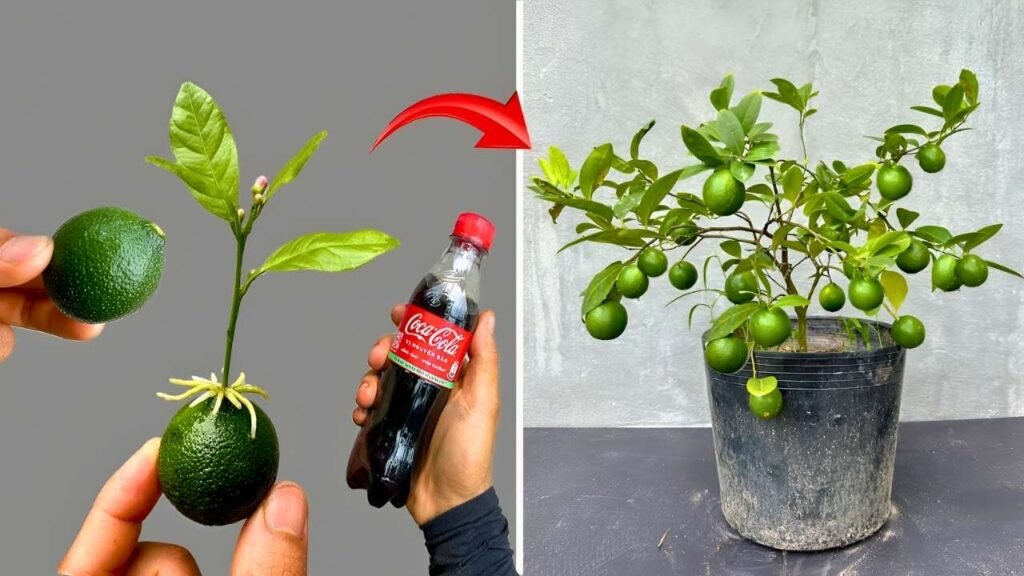
Lemon Propagation Revolution 2026: Fresh lemons growing in your backyard are no longer a distant dream. Gardeners in 2026 are experimenting with a surprisingly simple method that is transforming how lemon plants are propagated at home. Instead of expensive propagation chambers or professional greenhouse setups, a reused Coca Cola plastic bottle is becoming the secret weapon for faster rooting and stronger growth. This innovative approach is practical, sustainable, and shockingly effective for boosting lemon yield. If you want a thriving lemon tree without complicated techniques, this rooting hack could completely change your gardening results.
Plastic Bottle Turns Into Mini Greenhouse Powerhouse
A simple Coca Cola bottle can function as a humidity dome that mimics greenhouse conditions. Once cut and repurposed, the transparent bottle traps warmth and moisture around the lemon cutting. This controlled microclimate reduces stress and prevents excessive water loss from the stem. The result is a faster callus formation and early root development. The bottle’s clear surface also allows sunlight to enter while maintaining internal humidity, creating a self contained propagation chamber perfect for home gardeners.
Smart Cutting Selection Boosts Success
The real magic begins with choosing the right lemon cutting. Select a semi hardwood branch from a healthy, disease free lemon tree. The stem should be about six to eight inches long with at least two leaf nodes. Avoid soft green shoots or overly woody stems, as both can reduce rooting success. Removing lower leaves prevents moisture loss while keeping two small top leaves allows photosynthesis. A healthy cutting dramatically increases your chances of quick and strong root formation.
Rooting Hormone Enhances Early Development
Although the bottle method works naturally, applying a rooting hormone can speed up results. Rooting powder stimulates cell division at the cut site and encourages faster root emergence. Dip the freshly cut stem into rooting hormone before planting it in moist potting mix. While this step is optional, many gardeners report noticeably quicker root growth and stronger early plant structure. Combining rooting hormone with the humidity of the bottle environment maximizes propagation efficiency.
Perfect Soil Mix Makes All Difference
Soil quality directly affects root formation. A well draining, lightweight potting mix is essential for lemon propagation. Combine garden soil with sand and compost to improve aeration and drainage. Lemon cuttings dislike soggy conditions, so avoid heavy clay soil. The right mix allows oxygen to reach developing roots while retaining enough moisture for growth. Balanced soil texture prevents root rot and supports healthy establishment during the critical first few weeks.
Controlled Humidity Accelerates Root Growth
Humidity is the key factor behind this propagation revolution. The Coca Cola bottle traps moisture from the soil and creates a consistently humid environment around the cutting. This reduces transpiration, allowing the stem to focus energy on developing roots instead of fighting dehydration. You may notice condensation forming inside the bottle, which is a good sign. However, occasional ventilation is important to prevent fungal buildup and maintain a healthy balance.
Ideal Temperature Speeds Establishment
Warm conditions significantly influence rooting speed. Lemon cuttings perform best in temperatures between 20 to 30 degrees Celsius. The plastic bottle naturally amplifies warmth by capturing sunlight, creating a stable environment even during cooler evenings. Avoid placing the bottle under harsh midday sun, as excessive heat can damage delicate tissues. Bright indirect sunlight works best. Stable warmth combined with humidity encourages faster root initiation and stronger early plant vigor.
New Leaf Growth Signals Root Success
One of the most exciting moments in propagation is spotting fresh leaves. New leaf growth usually indicates that roots are forming beneath the soil. Gently tug the cutting after three to four weeks to check resistance. If the stem feels firm and anchored, roots have developed successfully. At this stage, gradually introduce the plant to open air by removing the bottle cap for longer periods each day. Slow acclimatization prevents transplant shock.
Transplanting Builds Future Yield Potential
Once roots are well established, transfer the young lemon plant into a larger pot or directly into garden soil. Choose a sunny location with at least six hours of sunlight daily. Add organic compost to enrich the soil and promote strong vegetative growth. Proper spacing ensures adequate airflow and prevents disease. A strong root system developed inside the bottle often adapts quickly after transplanting, leading to vigorous growth and earlier fruit production.
Nutrient Strategy Drives Heavy Fruiting
Propagation success is only the beginning. To achieve heavy lemon yield, consistent feeding is essential. Citrus plants require nitrogen for leafy growth and potassium for fruit development. Use balanced organic fertilizers or citrus specific blends during the growing season. Avoid over fertilizing, as excessive nutrients can burn roots. Regular feeding combined with proper watering helps the young tree transition from vegetative growth to productive fruit bearing stages.
Pruning Techniques Multiply Harvest Potential
Strategic pruning enhances branching, which directly impacts fruit production. Remove weak or overcrowded branches to encourage better sunlight penetration. Pinching young shoots promotes lateral growth and increases flowering sites. More branches mean more potential fruit clusters. Early structural pruning shapes the tree and builds a strong framework capable of supporting heavy lemon harvests in future seasons.
Sustainable Gardening With Zero Waste
Beyond fast growth and heavy yield, this bottle propagation hack supports eco conscious gardening. Reusing plastic bottles reduces waste and promotes sustainable practices. Instead of purchasing commercial propagation domes, gardeners can create effective solutions using recycled materials. This approach lowers costs and encourages environmentally responsible gardening habits. Small changes like this contribute to larger sustainability goals while delivering impressive plant growth results.
Common Mistakes That Slow Progress
Even simple methods require attention to detail. Overwatering is the most common mistake and can cause fungal infections or stem rot. Poor ventilation may also lead to mold buildup inside the bottle. Always use clean tools when taking cuttings to prevent disease transmission. Avoid placing the bottle in dark areas, as insufficient light weakens the cutting. Monitoring moisture, temperature, and cleanliness ensures a smooth propagation journey.
Why This Method Leads 2026 Gardening Trends
The Coca Cola bottle rooting hack stands out because it combines affordability, simplicity, and high success rates. Gardeners worldwide are sharing success stories of faster root formation and stronger lemon plants. This method eliminates technical barriers and makes propagation accessible for beginners. In 2026, practical gardening solutions that save money and increase productivity are gaining popularity, and this technique perfectly fits that demand.
Final Word: Lemon Propagation Revolution 2026
Lemon propagation has entered a new era with this clever bottle technique. By creating a warm, humid micro environment, the Coca Cola bottle method accelerates rooting and strengthens early plant growth. When paired with proper soil, balanced nutrients, and smart pruning, it sets the foundation for heavy lemon yields. This simple yet powerful hack proves that innovation does not require expensive tools. Sometimes, the best gardening breakthroughs start with everyday household items and a little creativity.
