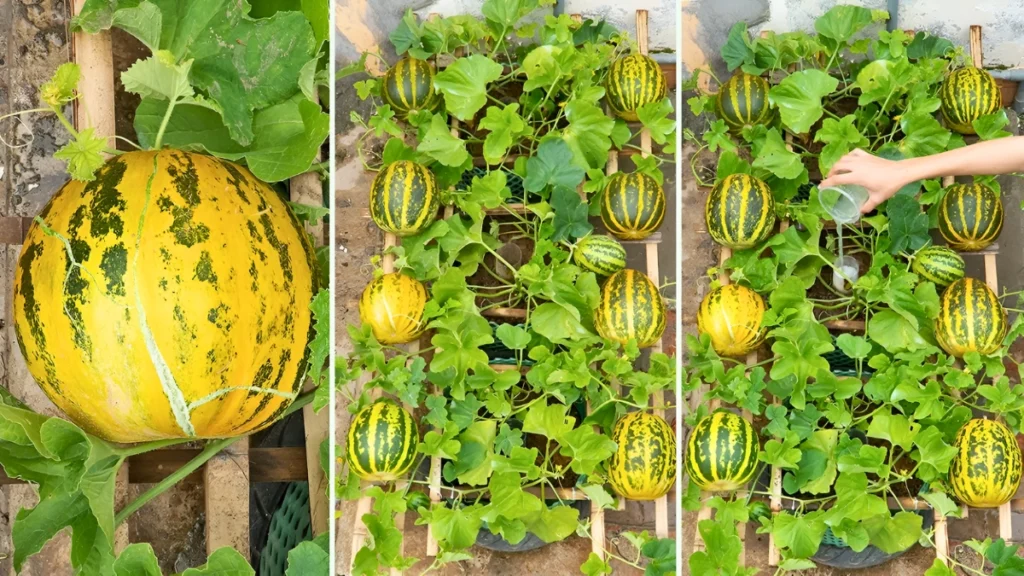
Melon Growing Breakthrough 2026: Melon farming is entering a new era in 2026, and beginners are finally getting results that once seemed possible only for experienced growers. With smarter planting strategies, precision feeding, controlled watering, and modern microclimate management, growing large, sweet, market-ready melons is no longer a guessing game. This high-yield sweet harvest method focuses on plant health, sugar development, and consistent fruit setting. Whether you are growing in a backyard garden or a small farm plot, this updated approach delivers impressive productivity with practical, easy-to-follow steps.
Soil Activation For Explosive Roots
The 2026 breakthrough starts below the surface. Instead of simply adding compost, growers are now activating soil biology before planting. This involves mixing mature compost with beneficial microbes and allowing the soil to rest for ten to fourteen days before sowing seeds. This resting period builds microbial life that supports nutrient absorption. Melons develop deeper, stronger root systems when soil life is active. Strong roots directly translate to larger fruits and improved sweetness.
Seed Priming For Faster Germination
Modern growers are using a simple seed priming technique to boost early growth. Before planting, melon seeds are soaked in lukewarm water for eight hours and then dried in shade for a few hours before sowing. This triggers early metabolic activity inside the seed. As a result, germination becomes faster and more uniform. Even beginners notice stronger seedlings with thicker stems and healthier leaves, giving plants a powerful start right from day one.
Raised Beds For Perfect Drainage
Melons dislike standing water, and poor drainage often ruins crops. The updated method strongly recommends raised beds. Building soil mounds eight to ten inches high improves drainage and allows roots to breathe properly. Raised beds also warm up faster in spring, encouraging quicker plant establishment. This technique reduces root rot risks and promotes steady vine growth. Better drainage means fewer diseases and more consistent fruit development throughout the growing season.
Smart Spacing For Bigger Fruits
Overcrowding is one of the most common beginner mistakes. In 2026, growers are focusing on optimized spacing to maximize airflow and sunlight exposure. Plants are spaced at least three feet apart to allow vines to spread comfortably. Proper spacing reduces fungal infections and ensures each plant receives adequate nutrients. When vines are not competing for space, fruits grow larger and develop higher sugar concentration, resulting in sweeter harvests.
Micro Irrigation For Sweetness Control
Water timing is more important than water quantity. Instead of watering on a fixed schedule, the new approach uses moisture-based watering. Soil should be moist but never soggy. During fruit enlargement, steady watering supports size. Two weeks before harvest, irrigation is slightly reduced to encourage sugar concentration. This stress adjustment increases sweetness naturally. Drip irrigation systems make it easier to control moisture precisely and avoid leaf diseases.
Flower Boosting Nutrition Formula
Melon productivity depends heavily on flowering strength. The 2026 method includes a bloom-focused feeding stage. Once vines begin flowering, growers apply potassium-rich organic fertilizers such as wood ash mixtures or balanced mineral blends. Reducing nitrogen during this stage prevents excessive leaf growth. Instead, the plant directs energy into fruit production. A well-fed flowering stage ensures more female flowers and better fruit formation across the vine.
Hand Assisted Pollination Edge
Although bees are essential pollinators, unpredictable weather can limit their activity. Hand-assisted pollination ensures reliable fruit setting. Using a soft brush to transfer pollen from male to female flowers during morning hours significantly improves fruit count. This simple step can increase yields by up to twenty percent. Beginners who practice this method often notice more uniform fruit shape and reduced fruit drop during early development stages.
Sunlight Management For Sugar Gain
Melons thrive in full sunlight, but balanced exposure is key. Modern growers gently rotate fruits during development to ensure even sun exposure. This improves skin color and internal sugar accumulation. Removing excess leaves blocking sunlight helps fruits mature evenly. However, vines should not be over-pruned, as leaves are essential for photosynthesis. The goal is balanced sunlight that enhances sweetness without stressing the plant.
Natural Pest Defense Strategy
Healthy plants resist pests better than stressed ones. Instead of heavy chemical use, the breakthrough method focuses on prevention. Companion planting with herbs such as mint and basil helps repel insects naturally. Regular inspection of leaf undersides prevents infestations from spreading. Neem-based organic sprays can be used when necessary. Keeping the garden clean and removing damaged leaves reduces pest habitats and protects fruit quality.
Vine Training For Maximum Yield
Guiding vines in an organized pattern improves space usage and airflow. Rather than letting vines grow randomly, growers gently redirect them along rows. This reduces tangling and improves sunlight penetration. In small gardens, vertical support systems allow vines to climb upward. Supporting fruits with soft cloth slings prevents strain on stems. Organized vines result in easier maintenance and higher fruit survival rates.
Harvest Timing For Peak Flavor
Harvest timing determines final sweetness. A ripe melon releases a pleasant aroma and develops a slight color change at the base. The stem may begin to crack naturally. Harvesting too early reduces sugar content. Waiting until full maturity ensures the best flavor. The updated method encourages growers to monitor fruit texture and aroma daily during the final week before picking for perfect results.
Post Harvest Sweetness Protection
Proper handling after harvest maintains fruit quality. Melons should be stored in a cool, shaded area immediately after picking. Avoid stacking fruits on top of each other, as pressure bruising reduces shelf life. Cleaning fruits with a dry cloth instead of water preserves natural protective layers. These simple steps keep melons fresh longer and maintain their juicy sweetness for several days.
Final Word: Melon Growing Breakthrough 2026
Melon Growing Breakthrough 2026 is not about complicated technology. It is about understanding plant behavior, soil life, and controlled stress techniques that naturally enhance yield and sweetness. By focusing on soil activation, smart watering, proper spacing, balanced nutrition, and strategic harvesting, beginners can achieve professional-level results. This fresh, practical approach removes guesswork and replaces it with consistency. The result is a high-yield sweet harvest that transforms melon growing into a rewarding and reliable experience.
