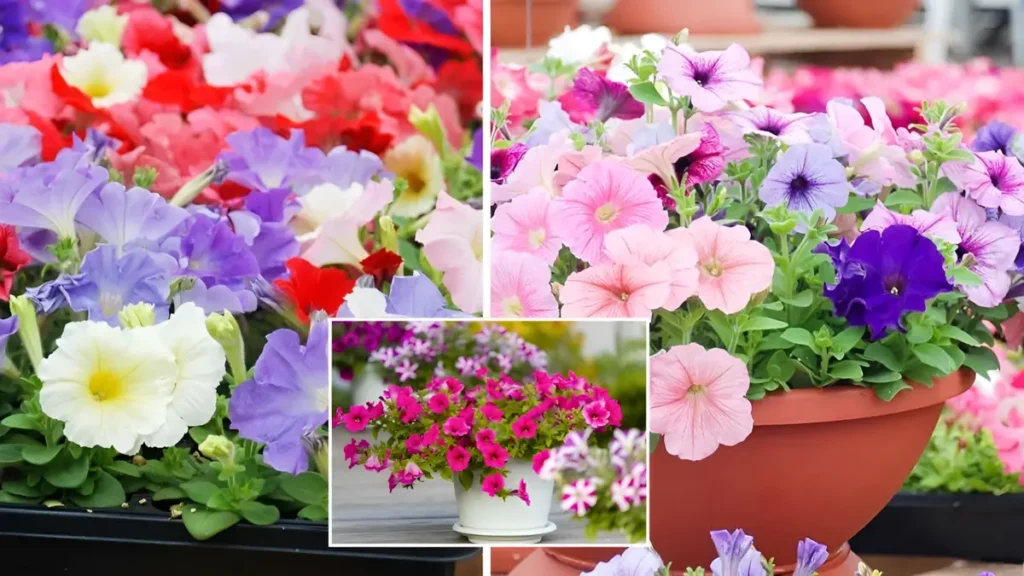
Petunia Seed Growing Guide 2026: Petunias have become a favorite choice for gardeners who want bold color with minimal effort. These cheerful flowers bloom generously, adapt well to containers, and thrive both indoors and outdoors when grown correctly. Starting petunias from seeds may seem delicate at first, but with the right method, you can enjoy dense foliage and long-lasting flowers throughout the season. This fresh 2026 growing guide walks you through every important step so your container garden looks full, vibrant, and professionally maintained.
Start Strong With Smart Seed Selection
Healthy blooms begin with high-quality seeds. Always choose fresh, current-season petunia seeds to ensure better germination rates. Modern hybrid varieties offer compact growth, trailing habits for hanging baskets, and extra-large blossoms for dramatic displays. Decide early whether you want cascading petunias for balconies or bushy varieties for tabletop containers. Storing seeds in a cool, dry place before sowing also improves performance. Strong genetics combined with proper care dramatically increase your success rate.
Create The Perfect Seed Starting Mix
Petunia seeds are tiny and delicate, so they require a lightweight, well-draining growing medium. Use a fine seed-starting mix instead of heavy garden soil. A blend containing coco peat, perlite, and vermiculite works exceptionally well for moisture balance and airflow. Before sowing, lightly moisten the mix so it feels damp but not soggy. Good drainage prevents fungal problems and root rot, which are common issues during early growth stages in container gardening.
Sow Seeds Without Covering
One common mistake gardeners make is burying petunia seeds too deep. These seeds need light to germinate. Gently sprinkle them over the surface of the prepared soil and lightly press them down without covering them. You can mist the surface using a spray bottle to avoid displacing the seeds. Keeping them exposed to light significantly improves germination rates. Within 7 to 14 days, tiny green seedlings should begin to appear.
Maintain Warm And Bright Conditions
Petunia seeds germinate best in temperatures between 20 to 24 degrees Celsius. Place the container in a bright indoor location where it receives indirect sunlight. If natural light is limited, grow lights can help maintain consistent brightness. Avoid placing seed trays in dark corners or near cold drafts. Warmth and steady light encourage even sprouting and prevent weak, leggy seedlings that struggle later during transplantation.
Water Gently And Consistently
Young seedlings require consistent moisture but not excess water. Overwatering is one of the main reasons petunia plants fail. Always use a fine mist spray or bottom watering technique to prevent disturbing fragile roots. The soil should remain slightly moist, never waterlogged. Once seedlings develop two to three true leaves, you can slightly reduce watering frequency while ensuring the growing medium never dries out completely.
Thin Seedlings For Better Growth
When multiple seedlings sprout close together, thinning becomes necessary. Crowded plants compete for nutrients, light, and airflow, resulting in weak growth. Carefully remove weaker seedlings, leaving enough space for the strongest ones to thrive. Although it may feel difficult to remove extra plants, this step ensures healthier root systems and stronger stems. Proper spacing inside containers sets the stage for fuller, more vibrant flowering later.
Transplant Into Spacious Containers
Once seedlings grow sturdy and develop several leaves, it is time to transplant them into larger containers. Choose pots with drainage holes to prevent water buildup. A balanced potting mix enriched with compost works best for mature growth. For outdoor container gardening, ensure each plant has enough space to spread. Trailing petunias require slightly wider containers, while compact varieties can grow well in medium-sized pots.
Feed For Explosive Blooming Power
Petunias are heavy feeders and need regular nutrition for continuous flowering. Use a balanced liquid fertilizer every two weeks during the growing season. A formula slightly higher in phosphorus supports strong flower production. Avoid excessive nitrogen, as it promotes leafy growth at the expense of blooms. Feeding consistently keeps plants energetic and ensures vibrant colors throughout spring and summer.
Pinch Back For Bushier Plants
Pinching young plants encourages branching and fuller growth. When plants reach about 10 to 15 centimeters in height, gently pinch off the top growth. This signals the plant to produce side shoots, resulting in a compact, bushy appearance. Regular light pruning also helps maintain shape and prevent leggy stems. A well-pinched plant produces significantly more flowers compared to an untrimmed one.
Maximize Sunlight For Brighter Flowers
Petunias love sunlight. For outdoor containers, place them where they receive at least six hours of direct sunlight daily. Insufficient light reduces flowering and leads to pale blooms. Indoor gardeners should position pots near south-facing windows for best results. Strong light exposure enhances color intensity and promotes continuous blooming. If your balcony receives partial shade, choose varieties known for better shade tolerance.
Protect From Pests Naturally
Aphids, whiteflies, and spider mites occasionally target petunias. Regular inspection helps detect issues early. Spraying plants with mild neem oil solution or soapy water keeps pests under control without harming blooms. Good airflow around containers reduces the risk of fungal infections. Avoid overcrowding pots, especially during humid weather. Healthy plants grown in proper conditions naturally resist most common garden pests.
Deadhead For Continuous Color
Removing faded flowers is essential for long-lasting blooms. Deadheading prevents the plant from directing energy into seed production. Simply pinch off wilted flowers along with the seed pod behind them. This small maintenance step significantly increases blooming duration. During peak season, check plants every few days. Consistent care rewards you with waves of fresh, colorful flowers throughout the growing cycle.
Adjust Care For Indoor Growing
Indoor petunias require slightly different care compared to outdoor plants. Ensure good air circulation and rotate pots occasionally so all sides receive equal light. Avoid placing containers near heating vents or air conditioners. Indoor humidity levels can affect flowering, so moderate airflow is beneficial. With proper light, balanced feeding, and consistent watering, indoor container petunias can bloom just as beautifully as outdoor ones.
Prepare For Seasonal Transitions
As temperatures shift in late summer or early autumn, petunias may slow down blooming. Trim leggy growth and continue feeding lightly to extend their performance. In warmer climates, they can bloom for extended periods with proper care. In cooler regions, you may collect seeds from mature plants for the next season. Preparing early helps maintain continuity in your container gardening journey.
Final Word: Petunia Seed Growing Guide 2026
Petunia seed growing in containers is both rewarding and beginner-friendly when done correctly. From careful seed selection to regular feeding and pruning, each step plays a role in achieving vibrant, long-lasting blooms. With proper sunlight, balanced watering, and routine maintenance, your indoor and outdoor spaces can stay filled with bright colors throughout the season. Follow these 2026 container gardening tips, and you will enjoy lush, flourishing petunias that transform any corner into a lively floral display.
