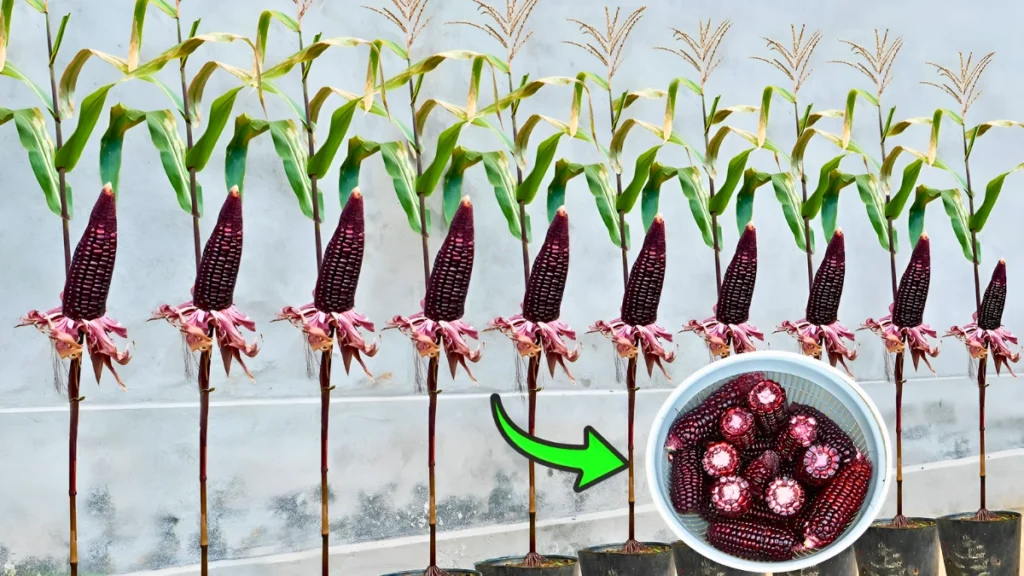
Grow Massive Corn at Home 2026: Fresh corn harvested from your own garden delivers a flavor that supermarket produce simply cannot match. In 2026, more home gardeners are focusing on growing bigger, sweeter, and more vibrant ears of corn right in their backyards. With rising interest in organic food and self-sufficiency, corn has become a favorite crop for both beginners and experienced growers. The secret to producing thick, juicy, and perfectly filled kernels lies in understanding sunlight, soil nutrition, and precise plant care.
Corn is not a complicated crop, but it demands attention to detail. When given full sun exposure, balanced nutrients, and consistent care, corn plants reward you with tall stalks and impressively plump ears. This complete guide walks you through a fresh, practical strategy to maximize your harvest and grow massive corn successfully at home.
Full Sun Fuels Giant Growth
Corn thrives in bright, uninterrupted sunlight. For maximum kernel development, plants require at least eight hours of direct sun daily. Full sun exposure drives strong photosynthesis, which helps the plant convert energy into thicker cobs and fuller kernels. Without enough sunlight, stalks may grow tall but produce underdeveloped ears.
Choose the sunniest section of your yard, preferably facing south or west. Avoid areas shaded by fences, buildings, or trees. If you are gardening in a small space, prioritize sun placement over convenience because light intensity directly affects kernel plumpness and sweetness.
Soil Preparation Makes All Difference
Massive corn begins with deeply prepared soil. Corn roots grow aggressively and require loose, well-drained earth rich in organic matter. Before planting, loosen the soil at least twelve inches deep and mix in compost, aged manure, or organic matter to improve texture and fertility.
Corn is a heavy nitrogen feeder, so enriching soil before sowing is essential. Conducting a simple soil test helps determine if additional nutrients are required. Well-prepared soil supports stronger root systems, which ultimately result in thicker ears and evenly filled kernels.
Select High Performance Seeds
Seed selection plays a major role in determining harvest size. In 2026, many gardeners are choosing hybrid sweet corn varieties known for disease resistance and improved sugar retention. These varieties are bred to produce larger ears with uniform kernels.
Look for seeds suited to your climate zone and growing season length. Early-maturing varieties are ideal for shorter seasons, while longer-season types often produce larger cobs. Investing in high-quality seeds gives your garden a strong foundation for exceptional results.
Plant In Compact Blocks
Corn relies on wind pollination, which means proper planting arrangement is critical. Instead of planting in one long row, sow seeds in square or rectangular blocks. This structure allows pollen from the tassels to fall efficiently onto the silks below, ensuring complete kernel formation.
Spacing should allow airflow while still encouraging pollination. Proper block planting significantly reduces the risk of partially filled ears and helps produce the thick, juicy kernels gardeners aim for.
Water Deeply For Plump Kernels
Consistent moisture is essential during tasseling and ear development. Corn requires about one to one and a half inches of water per week, either from rainfall or irrigation. Inconsistent watering leads to uneven kernel formation and smaller cobs.
Water deeply rather than frequently. Deep watering encourages roots to grow downward, strengthening the plant. Adding mulch around the base conserves moisture and maintains stable soil temperature, both of which contribute to larger and juicier kernels.
Strategic Feeding Boosts Yield
Feeding corn at key growth stages dramatically increases productivity. Once plants reach knee height, apply a nitrogen-rich fertilizer along the rows. Repeat feeding when tassels appear to support ear formation.
Organic gardeners may use compost tea, fish emulsion, or well-rotted manure as nutrient sources. Timely feeding ensures that energy is directed toward developing thick cobs instead of just leafy growth. Balanced nutrition is the hidden driver behind impressive kernel size.
Control Weeds And Competition
Weeds compete with corn for sunlight, nutrients, and moisture. Even small weeds can reduce yield if left unchecked. Keep the growing area clean and remove unwanted plants regularly, especially during early growth stages.
Applying mulch not only conserves water but also suppresses weed growth naturally. Reducing competition allows corn plants to channel all available resources into ear development, leading to healthier stalks and fuller cobs.
Support Stalk Strength Naturally
Tall corn stalks must remain upright to produce quality ears. Dense block planting helps plants support each other, reducing the risk of wind damage. In regions prone to storms, consider gently mounding soil around the base of stalks for added stability.
Strong stalks improve nutrient flow from roots to ears. When plants remain stable, they can focus on producing plump kernels instead of repairing wind stress damage. Structural support directly contributes to higher yield quality.
Encourage Healthy Pollination
Successful pollination determines whether kernels fill out completely. During dry or low-wind conditions, gently shaking the stalks in the morning can help distribute pollen. This simple technique improves kernel development and prevents patchy cobs.
Avoid planting corn too far apart, as isolation reduces pollination efficiency. Proper spacing and good airflow create the perfect environment for even, thick kernel formation across every ear.
Harvest At Peak Sweetness
Timing is crucial for maximum flavor and juiciness. Corn is ready when silks turn brown and dry, and kernels release a milky liquid when pressed. Harvesting at this stage ensures sweetness and tender texture.
Pick ears in the early morning when sugar levels are highest. Once harvested, cook or refrigerate quickly because sugars begin converting to starch soon after picking. Fresh corn delivers unmatched taste and texture when handled properly.
Store And Preserve Fresh Flavor
If your harvest exceeds immediate use, consider freezing or blanching corn to preserve sweetness. Proper storage techniques maintain flavor and texture for months. Freshly frozen kernels retain their juiciness and nutritional value.
Growing your own corn also allows you to experiment with grilling, roasting, and boiling methods. Each preparation style highlights the natural sweetness developed through full sun exposure and balanced feeding.
Final Word: Grow Massive Corn at Home 2026
Growing massive corn at home in 2026 is entirely achievable with the right strategy. Prioritize full sun exposure, enrich your soil deeply, plant in compact blocks, water consistently, and feed strategically. Pay attention to pollination and stalk strength to ensure thick, juicy, and perfectly filled kernels.
With careful planning and regular care, your backyard can produce corn that rivals professional farms. The combination of sunlight, nutrition, and timing transforms simple seeds into towering stalks loaded with plump ears. Follow these fresh, practical techniques and enjoy a harvest that looks impressive and tastes even better.
