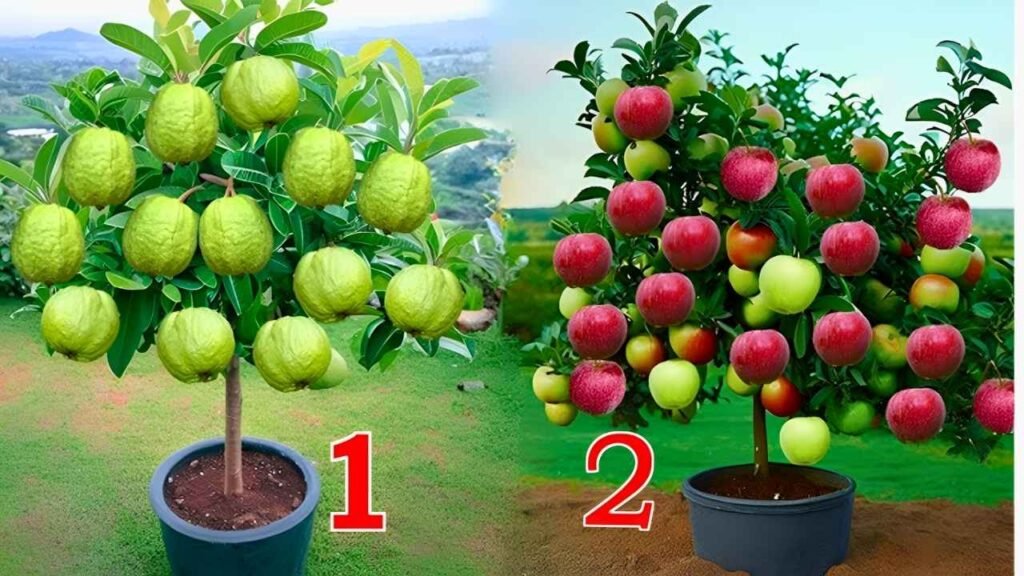
Guava Growing Mastery 2026: Backyard gardening is no longer just a hobby; it has become a lifestyle choice for people who want fresh, chemical-free fruit at home. Guava stands out as one of the easiest and most rewarding fruit trees to grow. With the right techniques, a guava tree can produce heavy yields, sweeter fruits, and healthier foliage much faster than most gardeners expect. This 2026 growth blueprint focuses on practical, modern strategies that help you unlock rapid growth, boost fruit size, and build a resilient backyard guava tree that thrives season after season.
Pick Powerhouse Varieties That Perform
Not all guava plants grow the same way. Choosing a high-performance variety suited to your region is the first major growth accelerator. Grafted plants usually produce fruit earlier and maintain consistent quality compared to seed-grown trees. Look for varieties known for strong disease resistance and thicker fruit flesh. Selecting a vigorous nursery plant with a healthy root ball, deep green leaves, and no pest damage lays the foundation for faster establishment and quicker fruit production in your backyard.
Planting Depth Secrets That Matter
Planting depth plays a surprisingly powerful role in long-term tree health. Guava trees prefer to sit slightly above ground level rather than too deep in the soil. If planted too deeply, roots may struggle with oxygen flow, slowing growth dramatically. Create a wide planting hole, loosen surrounding soil, and mix organic compost evenly. After planting, gently press the soil but avoid compacting it too tightly. Proper planting depth improves root expansion and supports faster trunk thickening during early growth stages.
Sunlight Strategy For Sweet Harvests
Guava trees demand abundant sunlight for strong photosynthesis and sugar development in fruits. Position your tree in a location that receives full sun exposure throughout the day. Insufficient sunlight often leads to weak branches and smaller fruits. When planted in the right sunny spot, the tree grows sturdier, develops thicker leaves, and produces naturally sweeter guavas. Sunlight is not just about survival; it directly influences fruit size, flavor intensity, and total harvest volume.
Soil Boosters For Explosive Growth
Healthy soil is the engine behind fast-growing guava trees. A slightly acidic to neutral soil pH encourages optimal nutrient absorption. Mix compost, aged cow manure, and a small amount of sand for improved drainage. Adding organic matter increases microbial activity, which strengthens root health. Mulching with dried leaves or straw helps maintain soil moisture and temperature stability. Strong soil biology creates deeper root networks, enabling your guava tree to grow faster and bear heavier fruit clusters.
Watering Rhythm That Accelerates Growth
Watering should follow a consistent rhythm rather than random intervals. Young guava plants require steady moisture to develop deep roots, but overwatering can cause root rot. Instead of shallow daily watering, opt for deep watering once or twice weekly. This encourages roots to grow downward in search of moisture. During flowering and fruit development, maintain slightly higher soil moisture levels. A balanced watering routine supports larger fruits and prevents stress-related fruit drop.
Fertilizer Timing For Giant Fruits
Fertilizer timing is more important than quantity. Overfeeding may produce leafy growth but smaller fruits. Use a balanced fertilizer with nitrogen for foliage, phosphorus for roots, and potassium for fruit enlargement. Apply feeding during early spring and mid-summer for best results. Organic options like vermicompost and seaweed extract enhance micronutrient absorption. During fruiting, slightly increase potassium to improve sweetness and size. Correct feeding cycles directly influence fruit weight and overall yield quality.
Smart Pruning For Dense Canopies
Pruning transforms an average guava tree into a high-yield machine. Removing weak, crossing, or diseased branches improves airflow and sunlight penetration. Light structural pruning during early years shapes a balanced canopy. After each harvest season, trim excessive growth to stimulate new fruiting shoots. Controlled pruning not only increases fruit size but also strengthens branch structure to handle heavy fruit loads. A well-managed canopy ensures better pollination and consistent productivity year after year.
Natural Pest Defense Blueprint
Pests can silently reduce fruit size and damage leaves if not addressed early. Regular inspection helps identify issues before they spread. Neem oil spray works as an effective organic solution against aphids and fruit flies. Maintaining garden hygiene by removing fallen fruits prevents pest breeding. Encouraging beneficial insects such as ladybugs also improves natural pest control. A proactive defense system protects fruit quality and ensures your guava tree remains vigorous throughout the growing season.
Seasonal Adjustments For Year Round Strength
Guava trees respond differently across seasons, and adapting care routines boosts long-term performance. In colder months, reduce watering frequency and avoid heavy fertilization. Protect young trees from frost using breathable covers. During hot summers, apply thicker mulch layers to retain moisture and reduce soil temperature stress. Seasonal awareness prevents growth slowdowns and keeps the tree stable. Adjusting care practices according to weather patterns maintains steady fruit development and stronger overall health.
Container Growing With Pro Results
Urban gardeners can grow guava successfully in large containers with the right strategy. Choose a container with excellent drainage and at least 18 to 24 inches depth. Use a high-quality potting mix blended with compost. Container plants need slightly more frequent watering and feeding compared to ground-planted trees. Pruning becomes essential to control height and encourage branching. With disciplined care, container-grown guava trees can produce surprisingly large and flavorful fruits even in limited spaces.
Flower Management For Heavy Crops
Many gardeners overlook the importance of flower management. Removing early weak flowers during the first year helps the tree focus energy on root and branch development. Once the tree matures, thinning excessive flowers improves fruit size and prevents nutrient competition. Balanced flower load ensures larger, sweeter fruits instead of many undersized ones. Managing flower density enhances energy distribution within the tree and maximizes harvest quality without exhausting the plant.
Micronutrients Make The Difference
Micronutrients such as magnesium, zinc, and iron are crucial for healthy guava growth. Deficiencies may cause yellow leaves and reduced fruit size. Applying organic micronutrient sprays during active growth seasons improves leaf color and fruit formation. Adding wood ash in small quantities can enhance potassium availability. Paying attention to minor nutrients often creates a visible difference in plant vigor. Strong leaf health directly supports better photosynthesis and higher sugar accumulation in fruits.
Pollination Power For Bigger Yield
Although guava trees are generally self-pollinating, improved pollination leads to better fruit size and shape. Encouraging bees and other pollinators in your garden increases fruit set percentage. Planting flowering companion plants nearby attracts beneficial insects naturally. Avoid heavy pesticide use during blooming periods to protect pollinators. Enhanced pollination boosts uniform fruit development and reduces the number of misshaped guavas, resulting in a cleaner, heavier harvest.
Harvest Timing For Maximum Sweetness
Harvesting at the correct stage ensures peak sweetness and texture. Guavas typically change from dark green to lighter green or yellow when ready. The fruit should feel slightly soft when gently pressed. Picking at the right time enhances flavor intensity and allows the tree to focus on new fruit cycles. Timely harvesting also reduces pest attraction and supports continued flowering. Smart harvesting habits maximize total yield throughout the growing season.
Final Word: Guava Growing Mastery 2026
Guava Growing Mastery 2026 is built on precision, consistency, and smart care techniques. From selecting powerful varieties to mastering soil health, watering rhythm, pruning methods, and seasonal adjustments, every step contributes to faster growth and larger fruits. Paying attention to micronutrients, pollination, and flower management elevates results even further. With this complete blueprint, your backyard guava tree can transform into a high-yielding, resilient fruit producer that delivers sweeter, bigger harvests year after year.
