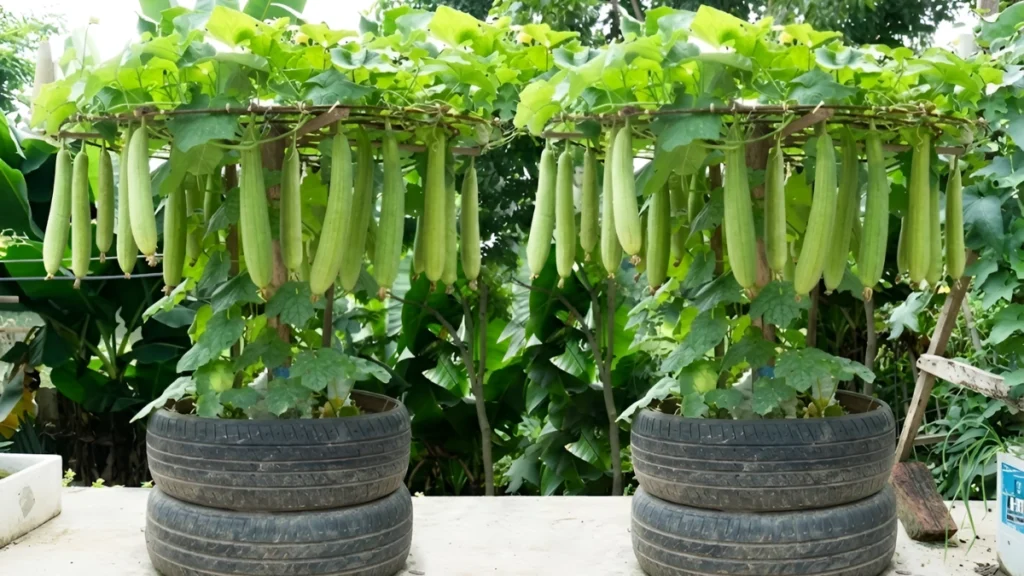
Sponge Gourd Growing Mastery 2026: Sponge gourd farming is gaining serious attention in 2026 as growers look for crops that deliver both strong market demand and reliable yields. Also known as luffa, this fast-growing vine offers dual income potential through fresh vegetable sales and natural sponge production. With proper planning, smart nutrient management, and strategic crop care, sponge gourd cultivation can become one of the most rewarding seasonal ventures. High productivity does not happen by luck. It happens when every stage, from seed selection to post-harvest handling, is managed with precision and consistency.
Unlock High Yield Genetics Power
The foundation of a giant harvest begins with superior seed genetics. Modern hybrid sponge gourd varieties are bred for uniform fruit length, thicker flesh, and improved disease resistance. Selecting region-specific varieties ensures better adaptability to climate conditions. Fresh certified seeds with high germination rates produce vigorous seedlings that establish quickly. Strong early growth leads to better vine expansion, more flowering nodes, and ultimately higher fruit counts per plant throughout the growing season.
Build Living Soil For Success
Healthy soil is the true engine behind sponge gourd productivity. This crop thrives in well-drained loamy soil enriched with organic matter. Before sowing, incorporate compost, aged manure, and biofertilizers to enhance microbial life. Soil testing helps determine nutrient balance and correct deficiencies early. Adding beneficial microbes improves root development and nutrient absorption. A biologically active soil structure supports consistent flowering, fruit set, and sustained production across multiple harvest cycles.
Master The Ideal Planting Window
Timing plays a crucial role in maximizing yield potential. Sponge gourd prefers warm temperatures between 22 and 35 degrees Celsius. Sowing during stable weather conditions prevents stress during germination. Soaking seeds for several hours improves sprouting speed and uniformity. Adequate spacing between plants enhances airflow and sunlight penetration. When planted at the correct time with proper spacing, vines develop strong stems and produce healthier, longer fruits.
Design Strong Vertical Frameworks
Sponge gourd vines grow aggressively and require structured support systems. Installing trellises, overhead pandals, or vertical nets prevents fruits from touching the ground. Vertical training improves fruit shape, reduces fungal infections, and enhances sunlight exposure. When vines climb freely with support, they produce more lateral branches. These branches generate additional flowering points, directly increasing fruit production per plant. Strong frameworks reduce breakage during heavy fruiting stages.
Optimize Smart Irrigation Balance
Water management directly impacts fruit size and quality. Sponge gourd requires consistent moisture without waterlogging. Drip irrigation systems are highly effective in maintaining uniform soil hydration. Mulching around plants conserves moisture and regulates soil temperature. Excess watering during flowering can reduce pollination success, while insufficient watering can lead to fruit drop. Maintaining balanced irrigation supports uninterrupted flowering and continuous fruit development.
Trigger Powerful Flowering Response
High yield depends on abundant and successful flowering. Sponge gourd plants produce separate male and female flowers. Encouraging pollinators such as bees significantly improves fruit set. Planting flowering companion crops nearby can attract beneficial insects. Foliar feeding with micronutrients during the pre-flowering stage strengthens plant vigor. A healthy flowering phase ensures better pollination rates and a higher percentage of fruits per vine.
Strengthen Natural Pest Defense
Integrated pest management is essential for protecting sponge gourd crops. Regular field inspection allows early detection of aphids, fruit flies, and beetles. Organic sprays such as neem extract help control infestations without harming pollinators. Removing infected leaves improves plant health and airflow. Crop rotation and clean cultivation practices minimize recurring pest problems. A proactive protection strategy keeps vines strong and fruit quality intact throughout the season.
Feed Plants At Critical Stages
Strategic nutrient feeding at key growth phases significantly boosts yield. Nitrogen supports vegetative growth, while phosphorus strengthens root systems and flowering. Potassium enhances fruit size and firmness. Split fertilizer application ensures steady nutrient supply during flowering and fruiting stages. Supplementing with calcium and magnesium improves fruit texture and shelf life. Balanced nutrition translates into uniform fruits with attractive market appeal.
Harvest At Peak Perfection
Timely harvesting determines both quality and profitability. For vegetable markets, sponge gourds should be harvested when tender and bright green. Delayed harvesting reduces softness and taste. Regular picking stimulates the plant to produce new flowers and fruits. For sponge production, fruits must fully mature and dry on the vine before processing. Frequent harvest cycles maximize total yield across the growing period.
Boost Profits With Dual Purpose Crop
One unique advantage of sponge gourd farming is its dual market potential. Tender fruits are sold as fresh vegetables, while mature dried fruits are processed into natural loofah sponges. The growing global demand for eco-friendly bath products increases the profitability of mature luffa fibers. Farmers can strategically divide their crop for both markets, reducing waste and improving total income per acre.
Enhance Post Harvest Quality
Proper post-harvest handling protects the value of the crop. Fresh sponge gourds should be stored in cool, shaded conditions to maintain firmness. Gentle handling prevents bruising and extends shelf life. For sponge production, mature fruits are peeled, cleaned, and dried thoroughly before packaging. Quality processing improves market acceptance and builds long-term customer trust.
Plan For Sustainable Growth
Sponge gourd farming aligns perfectly with sustainable agricultural practices. It adapts well to organic cultivation systems and requires moderate chemical input when managed properly. Intercropping with legumes improves soil fertility naturally. With rising awareness about healthy eating and natural lifestyle products, sponge gourd demand continues to expand in local and export markets. Sustainable management ensures long-term soil health and consistent profitability.
Final Word: Sponge Gourd Growing Mastery 2026
Sponge gourd growing mastery in 2026 is about precision, timing, and understanding plant behavior. From selecting superior seeds to maintaining soil vitality and harvesting at the right stage, every step contributes to giant, healthy harvests. Farmers who focus on structured support systems, balanced irrigation, and smart nutrient management can significantly increase productivity. With its dual market value and growing demand, sponge gourd cultivation stands out as a powerful opportunity for sustainable, high-yield farming success.
