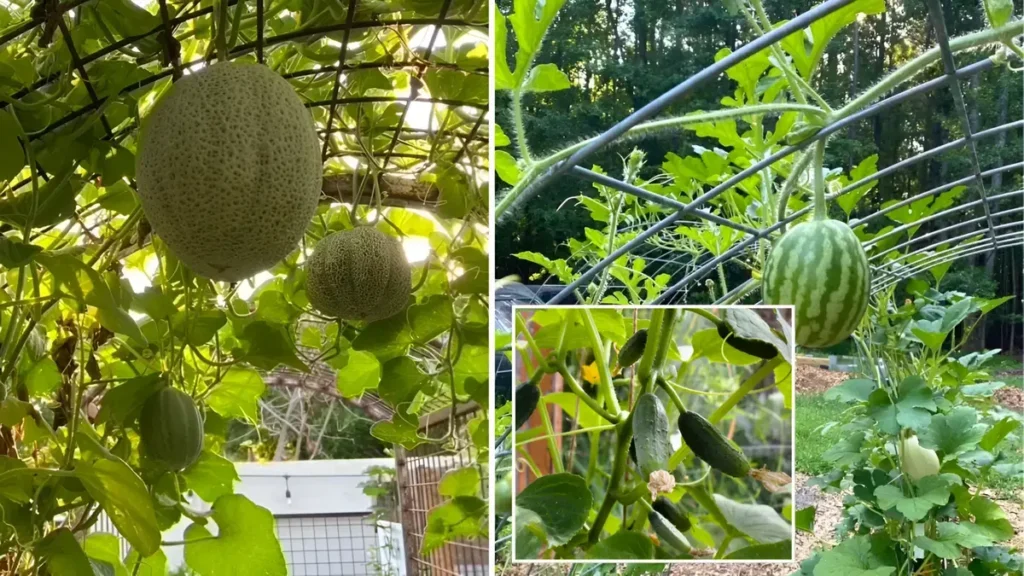
Vertical Veg Growing 2026: Vertical gardening is reshaping how people grow food in 2026. With rising interest in homegrown produce and limited outdoor space in urban areas, gardeners are turning upward instead of outward. Crops like squash, cucumbers, and melons are traditionally known for sprawling vines that consume large areas. However, with proper trellis training, these vigorous plants can thrive vertically, producing abundant harvests while saving valuable ground space. This approach is practical, efficient, and surprisingly simple when done correctly.
Vertical Gardening Is Game Changing
Growing vines vertically completely transforms small garden spaces. Instead of tangled stems crawling across soil, plants grow upward in a structured and manageable way. This method maximizes sunlight exposure, encourages better airflow, and reduces disease risk. Vertical gardening also improves garden organization, making it easier to maintain and harvest crops. For gardeners working with patios, balconies, or compact backyards, this approach delivers productivity without overcrowding.
Trellis Design Makes Difference
A strong trellis is the backbone of vertical growing success. Lightweight frames may bend or collapse once squash and melons begin fruiting. Sturdy metal panels, wooden A frame structures, or reinforced lattice systems are reliable choices. Secure installation is critical, especially in windy regions. Anchoring posts deep into soil or attaching frames to stable walls ensures long term durability. Investing in a strong structure early prevents mid season frustration.
Best Varieties For Climbing
Choosing the right plant varieties improves vertical growing results dramatically. Vining cucumbers adapt naturally to trellises and produce straighter fruit when supported. Smaller melon types such as cantaloupe and mini watermelon perform well with added support. Certain summer squash varieties also climb effectively when trained early. Compact and climbing labeled seeds are ideal. Selecting appropriate varieties ensures strong stems, balanced growth, and manageable fruit weight.
Early Training Ensures Success
Training vines while they are young creates a stable growth pattern. When stems reach about twelve inches, gently guide them toward the trellis. Allow tendrils to wrap naturally while securing loose stems with soft plant ties if necessary. Avoid forcing stiff vines, as this can cause breakage. Consistent monitoring during early growth stages prevents tangled chaos later. A few minutes of weekly training keeps plants organized and productive.
Fruit Support Prevents Damage
Heavy fruits can strain vines if left unsupported. Melons and larger squash benefit from fabric slings or breathable mesh supports attached to the trellis. These slings cradle developing fruit and distribute weight evenly. Proper support prevents stem snapping and improves fruit shape. This simple addition significantly reduces plant stress and increases successful ripening rates. Healthy vines are more capable of sustaining multiple fruits throughout the season.
Improved Airflow Reduces Disease
Vertical growing enhances air circulation around leaves and stems. When vines spread across soil, moisture becomes trapped underneath dense foliage, encouraging fungal problems. Elevating plants allows leaves to dry quickly after watering or rain. This reduces the likelihood of powdery mildew and other common diseases. Better airflow also limits pest hiding spots. Healthier plants naturally yield more fruit and maintain productivity for a longer harvesting period.
Sunlight Exposure Boosts Yield
Plants grown vertically receive more consistent sunlight on both sides of the foliage. Even light distribution increases photosynthesis, leading to stronger vines and higher fruit production. Ground grown plants often shade themselves, limiting energy absorption. By spreading leaves upward, vertical systems capture light more efficiently. The improved energy conversion translates into sweeter melons, crisp cucumbers, and tender squash harvested throughout the season.
Watering Strategy Needs Adjustment
Vertically trained plants may dry slightly faster due to increased sun and airflow exposure. Deep watering at the base ensures roots receive adequate moisture. Drip irrigation systems are especially effective in vertical gardens because they deliver consistent hydration without wetting foliage. Avoid overhead watering to reduce fungal risk. Adding compost before planting helps retain soil moisture while enriching nutrients. Balanced watering promotes steady growth and prevents fruit cracking.
Feeding For Maximum Production
Climbing vegetables are heavy feeders, especially during fruiting stages. Incorporating organic compost at planting time creates a strong nutritional foundation. As flowers appear, supplementing with a balanced fertilizer supports fruit development. Potassium rich feeds enhance sweetness in melons and improve overall quality. Consistent feeding keeps vines vigorous and capable of sustaining multiple harvest cycles. Healthy nutrition directly impacts fruit size and flavor.
Cleaner Harvest Every Time
Vertical gardening produces noticeably cleaner fruits. Since cucumbers and melons hang freely instead of resting on soil, they avoid mud stains and rot. Reduced soil contact lowers the risk of pest damage and fungal infection. Harvesting becomes easier because fruits are clearly visible. Gardeners spend less time searching beneath leaves and more time enjoying fresh produce. Cleaner crops also extend shelf life after picking.
Ideal Solution For Urban Homes
Limited space no longer restricts vegetable gardening success. Balconies, terraces, and narrow side yards can all support vertical trellis systems. Raised beds combined with upward training allow multiple crops to grow efficiently in compact areas. Vertical gardening also enhances visual appeal, creating green walls filled with vibrant fruit. For city dwellers seeking fresh produce, this method offers practicality without sacrificing yield.
Seasonal Planning Improves Results
Planning the planting schedule ensures continuous production throughout the growing season. Starting seeds indoors gives vines a strong head start before transplanting. Staggered planting every few weeks extends harvest duration. Monitoring weather conditions helps determine ideal transplant timing. Proper spacing between trellis systems prevents overcrowding. Thoughtful planning maximizes both productivity and plant health in vertical gardens.
Sustainable And Eco Friendly Choice
Vertical gardening reduces soil compaction because gardeners avoid stepping over sprawling vines. Better airflow lowers the need for chemical fungicides. Efficient water usage through drip systems conserves resources. Growing upward also enables companion planting beneath trellises, increasing biodiversity. This sustainable approach aligns with modern eco conscious gardening practices. Higher yields from smaller areas reduce the environmental footprint of home food production.
Final Word: Vertical Veg Growing 2026
Vertical vegetable growing in 2026 represents a smarter, more efficient way to cultivate squash, cucumbers, and melons. With the right trellis design, early vine training, proper fruit support, and consistent care, gardeners can transform limited spaces into highly productive growing zones. The method enhances plant health, simplifies maintenance, and delivers cleaner, higher quality harvests. Growing upward is not just a space saving trick. It is a powerful strategy that redefines modern home gardening.
